All ten journeysCultural, trekking, festival, wildlife

Private journeys through Bhutan, arranged from Thimphu by people who live here. Cultural routes through the western valleys, high trekking in the Himalaya, and the long quiet roads east.
We only sell Bhutan. That is not a positioning statement — it is the practical reason our itineraries have realistic driving times in them.
Sky Dragon Expeditions is based in Thimphu. We plan and run private journeys across all twenty dzongkhags: the well-travelled western circuit through Paro, Thimphu and Punakha; the central valleys of Trongsa and Bumthang; the trekking routes above the treeline; and the long eastern roads that most itineraries never reach.
Every trip is private. There is no fixed departure calendar to fit around and no group of strangers to keep pace with — you tell us when you can come and what you want the days to feel like, and we build the route around that. Our guides are licensed, Bhutanese, and generally from the valleys they take you through. This is what you can hold us to.

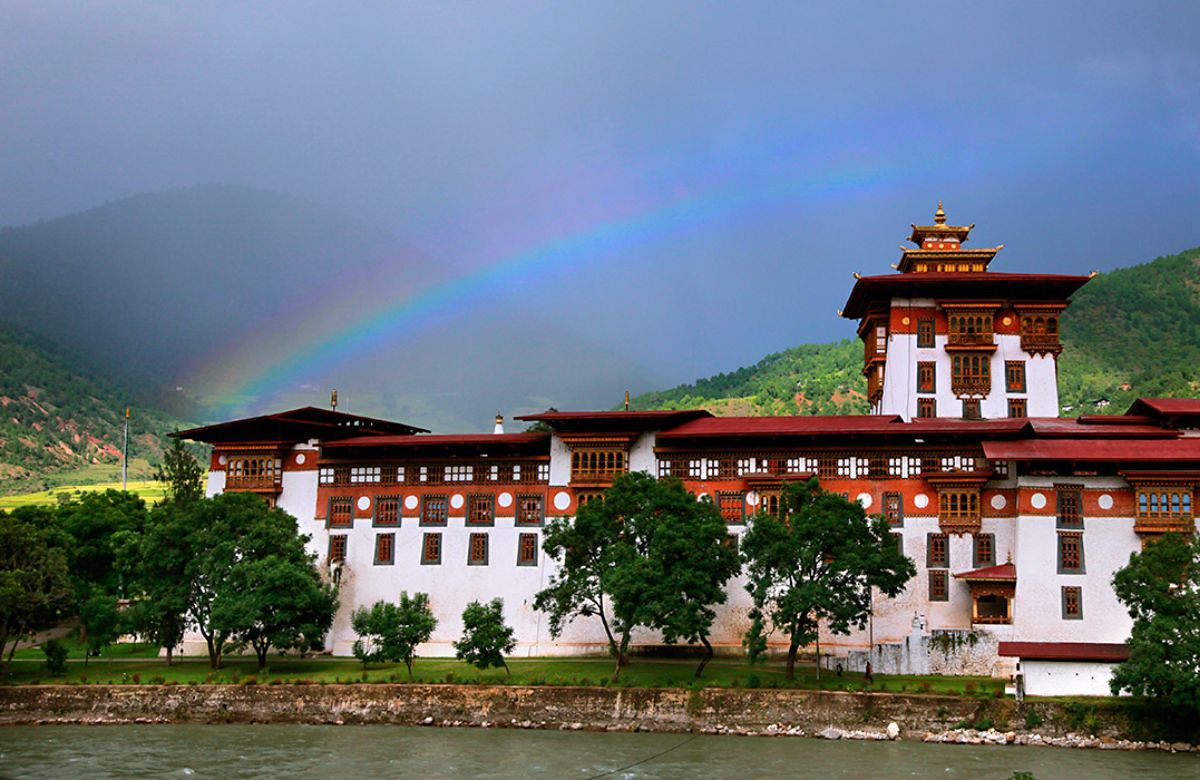
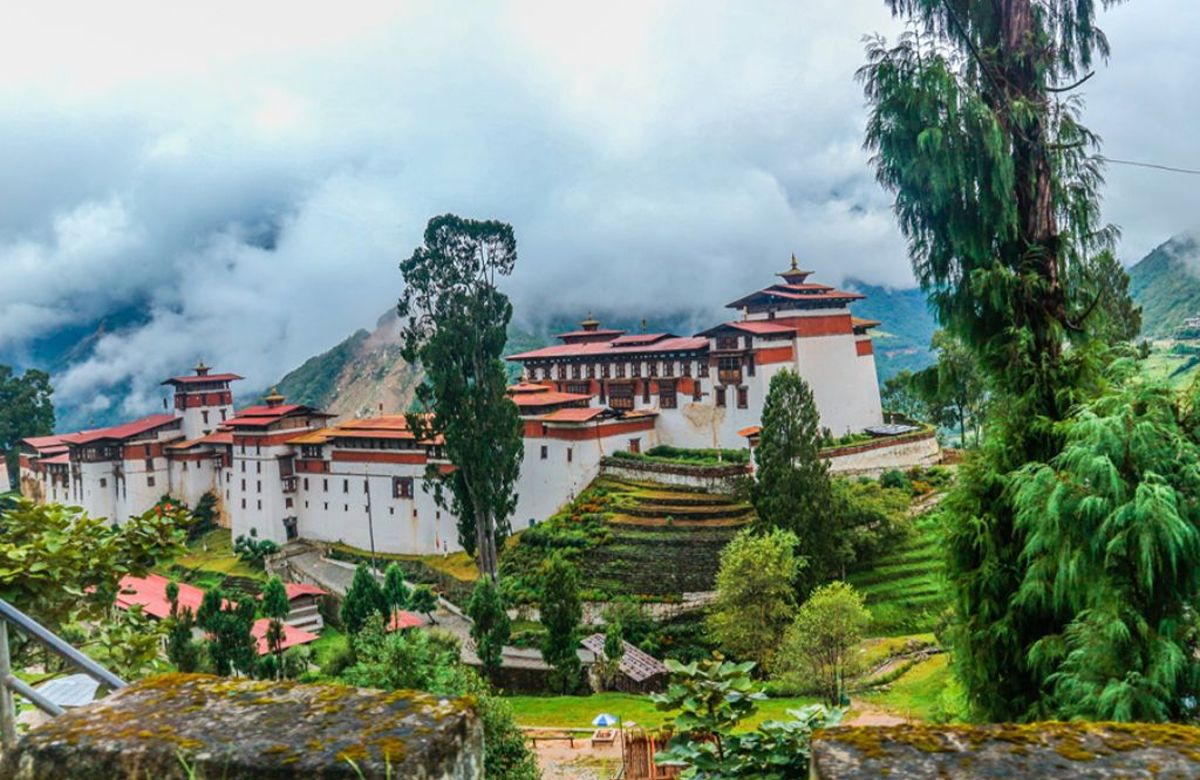
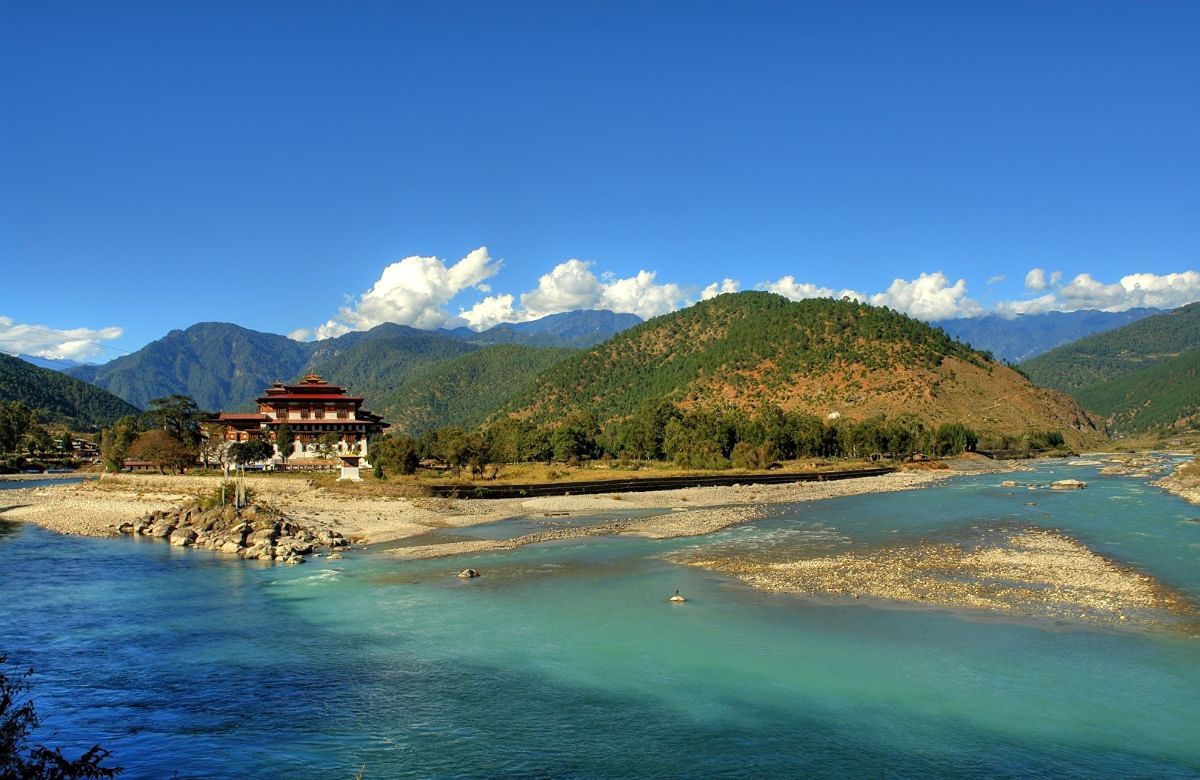
PunakhaThe dzong at the confluence of the Pho Chhu and Mo Chhu, built in 1637These are the itineraries we run most often. Treat each one as a starting point — the pace, the nights in each valley and the walking are all yours to change.
Cultural
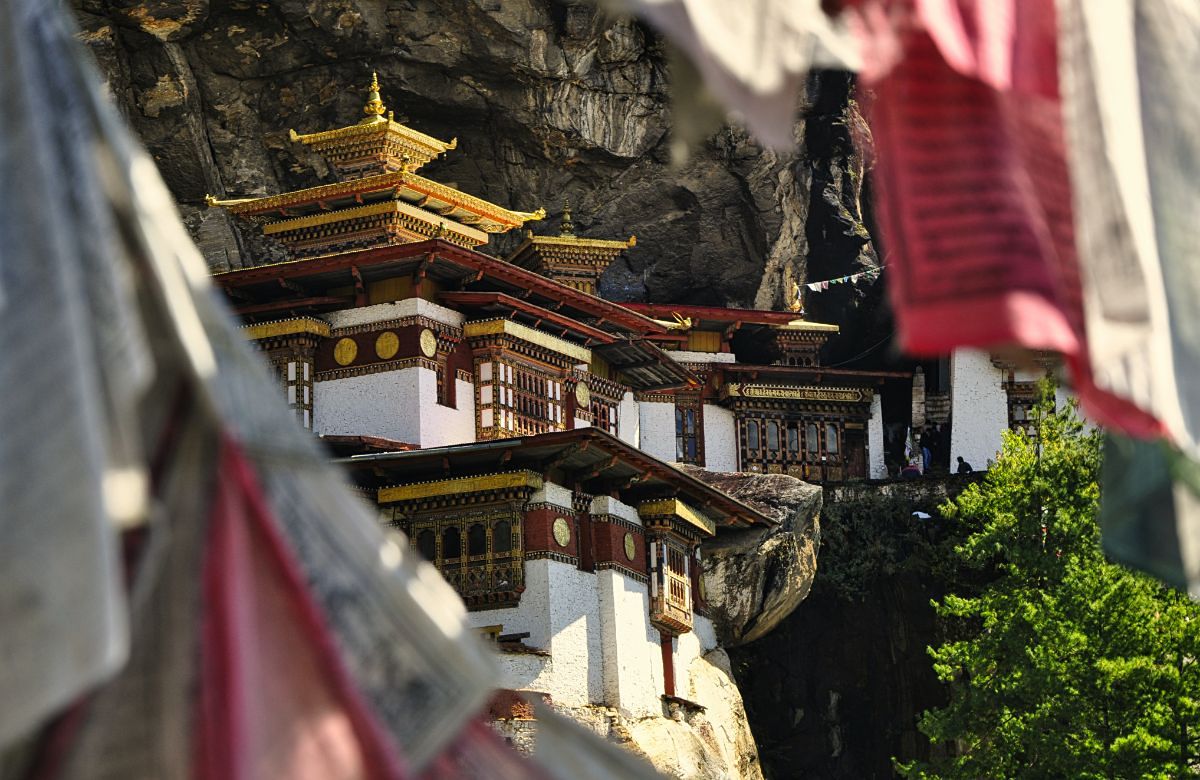
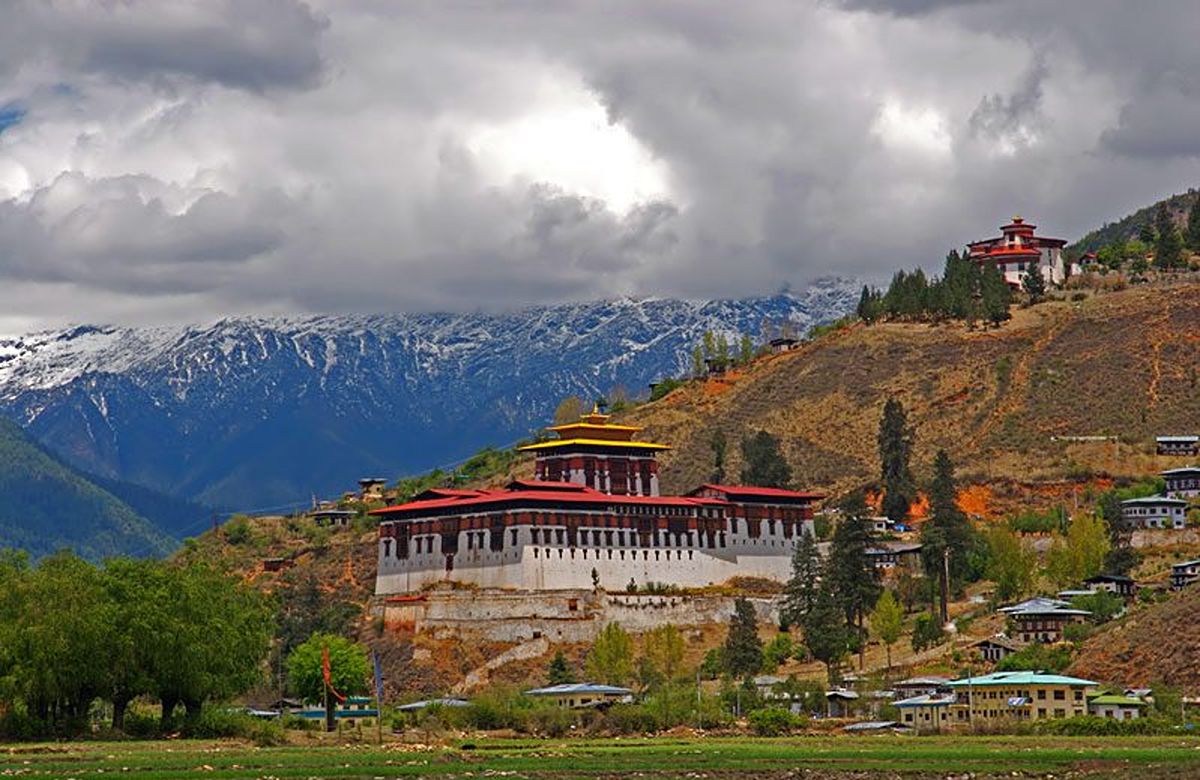
8 days · 7 nightsParo, Thimphu and Punakha at a pace that leaves room for the Taktsang climb, an afternoon in the Punakha rice terraces and a drive over Chele La.
Cultural
11 days · 10 nightsEast from Punakha over the Pele La to Trongsa, then into the four valleys of Bumthang — the oldest temples in the country and the quietest roads.
Cultural
14 days · 13 nightsThe full length of the country, west to east, over Bhutan's highest road pass into the weaving districts most itineraries never reach.
Cultural
7 days · 6 nightsOver Chele La into the quietest of the western valleys, with village walks, two old temples and a night away from the main circuit.
Trekking
8 days · 7 nightsFour walking days on the ridge route between Paro and Thimphu, camping beside high lakes, with cultural days at either end.
Trekking
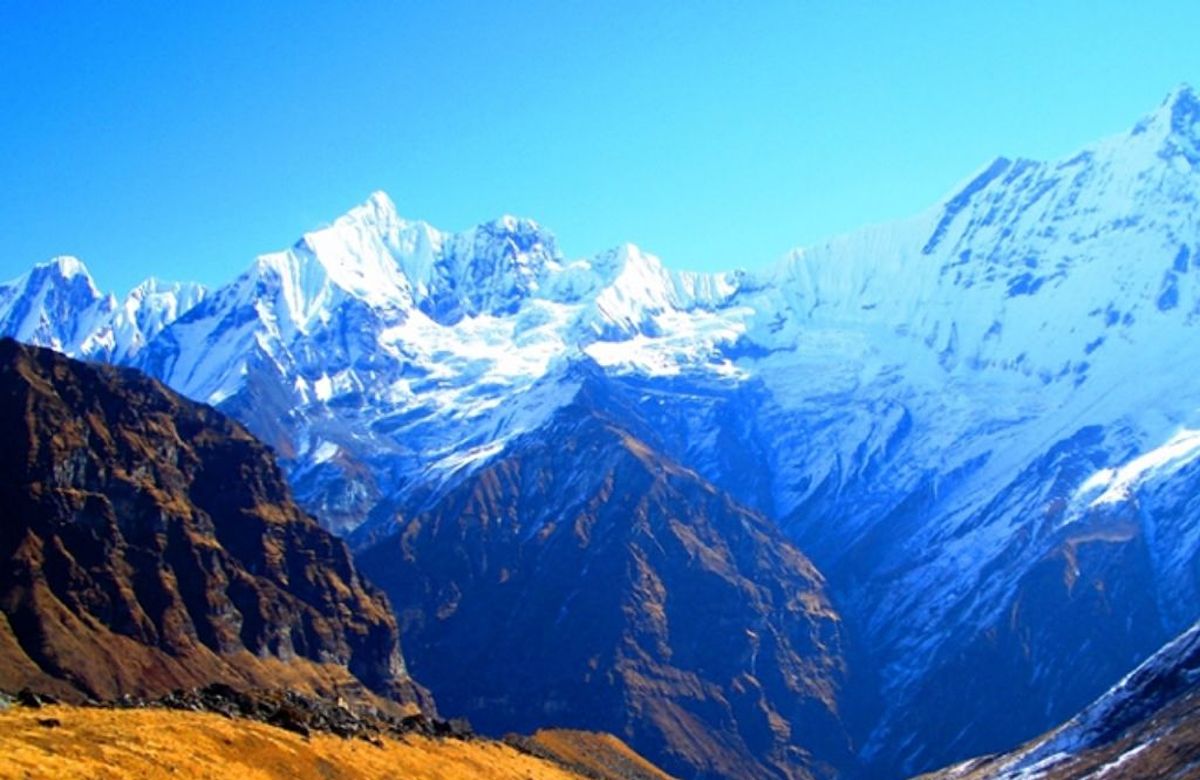
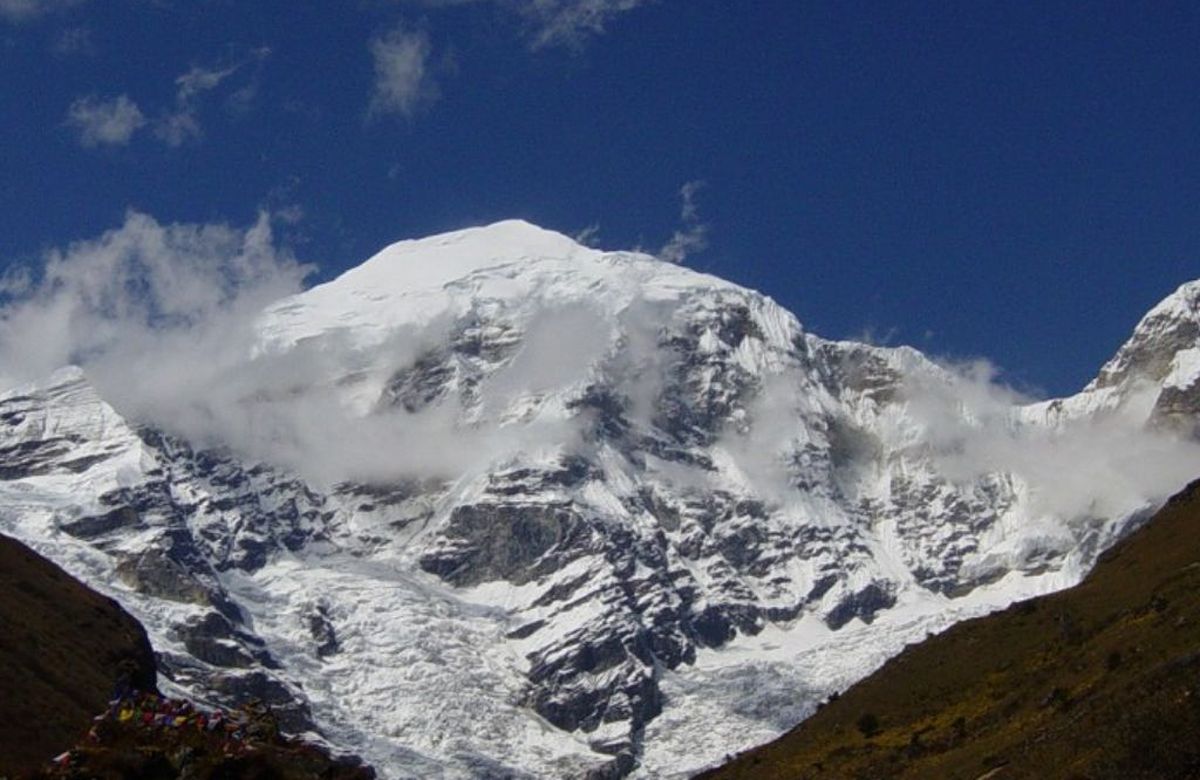
11 days · 10 nightsSeven walking days up the Paro Chhu to Jangothang, under the north face of Jomolhari, returning over two passes above 4,800 metres.
A paragraph is enough. When you can travel, how long for, how much walking you enjoy, and what you would rather not do.
A written itinerary with real driving times and honest walking distances, and one price covering the SDF, the visa fee, hotels, meals, guide and vehicle.
Most itineraries change two or three times before anyone commits. Add a night, drop a drive, swap a valley.
Visa application, permits where a route needs them, hotels, domestic flights. You arrive at Paro and your guide is in the arrivals hall.
Bhutan is not one landscape. Punakha is sub-tropical and warm all year; Phobjikha is a glacial bowl at three thousand metres. Knowing which is which is most of the work of planning a trip.
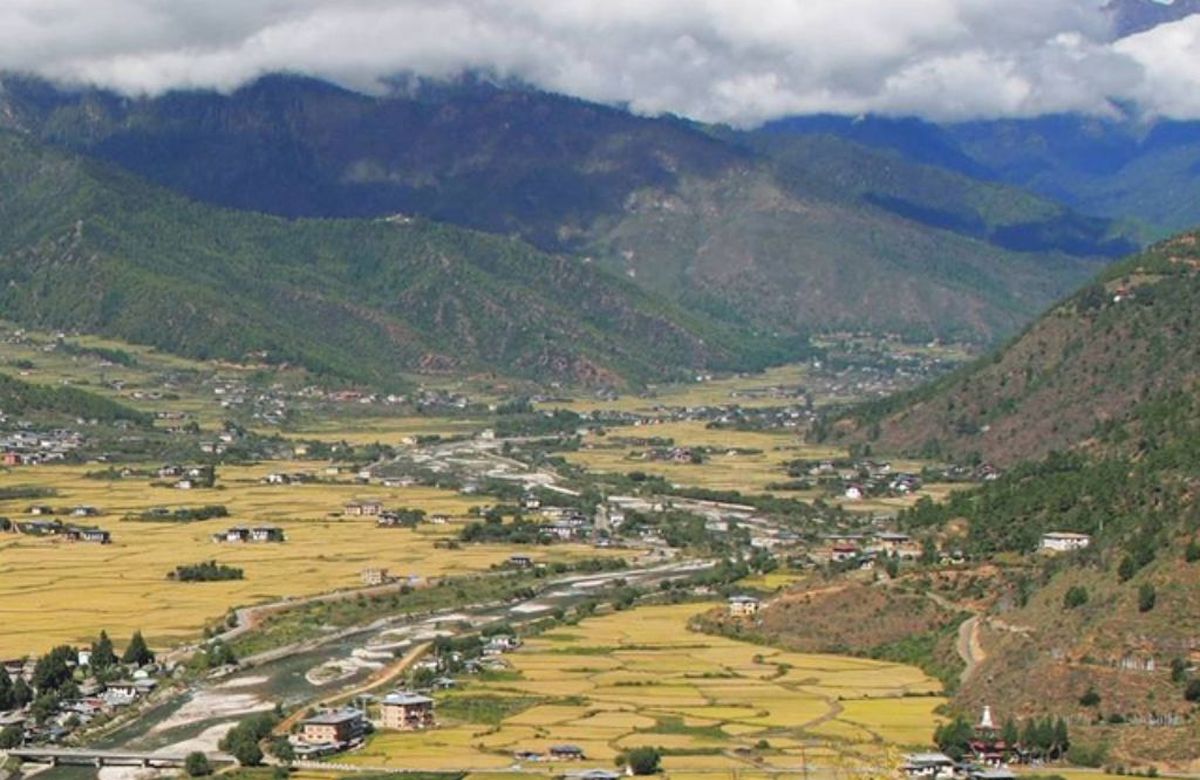
2,235 m · western BhutanParoWide, flat-floored and farmed in rice, which is unusual at this height.
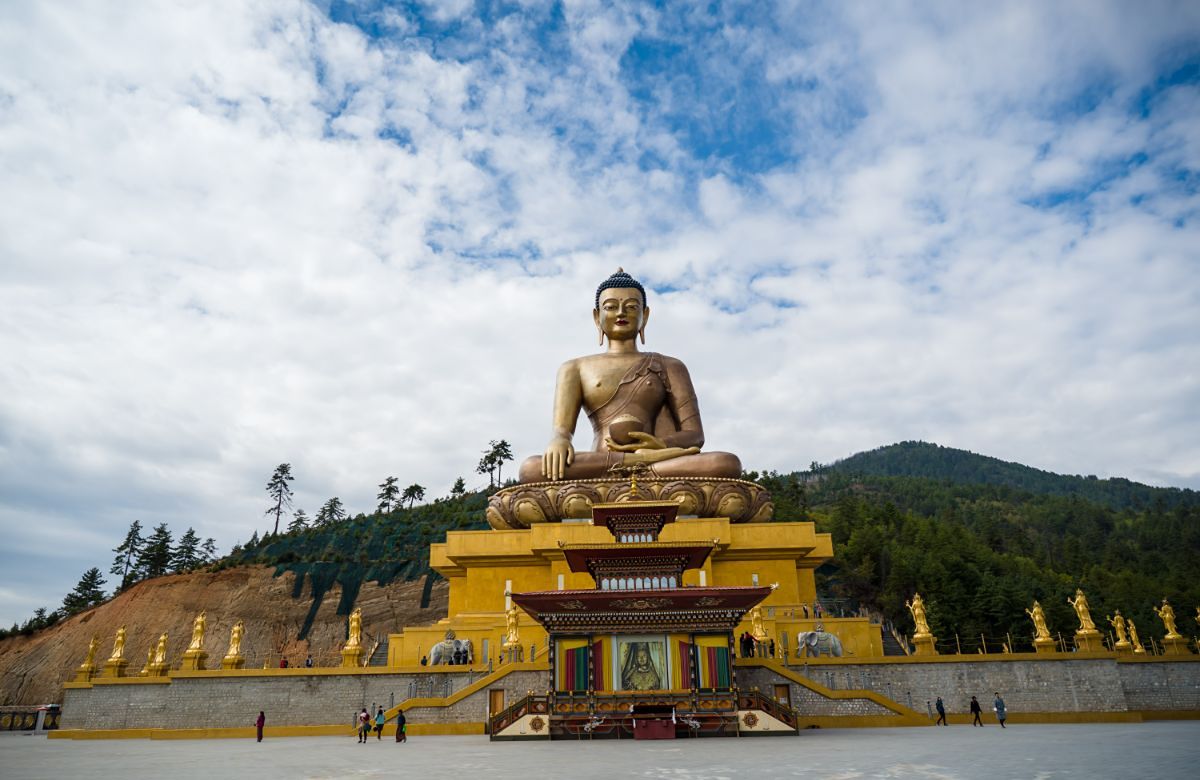
2,320 m · the capitalThimphuA capital with no traffic lights and an archery ground in the middle of it.
1,250 m · sub-tropicalPunakhaRice on both banks, jacaranda in late spring, and no need for a coat.
about 2,900 m · glacial bowlPhobjikha & GangteyEmpty, high and cold. Come between November and January or not at all.
2,670 m · the quiet westHaaThe valley to add if you have seen the west and want to see it again properly.
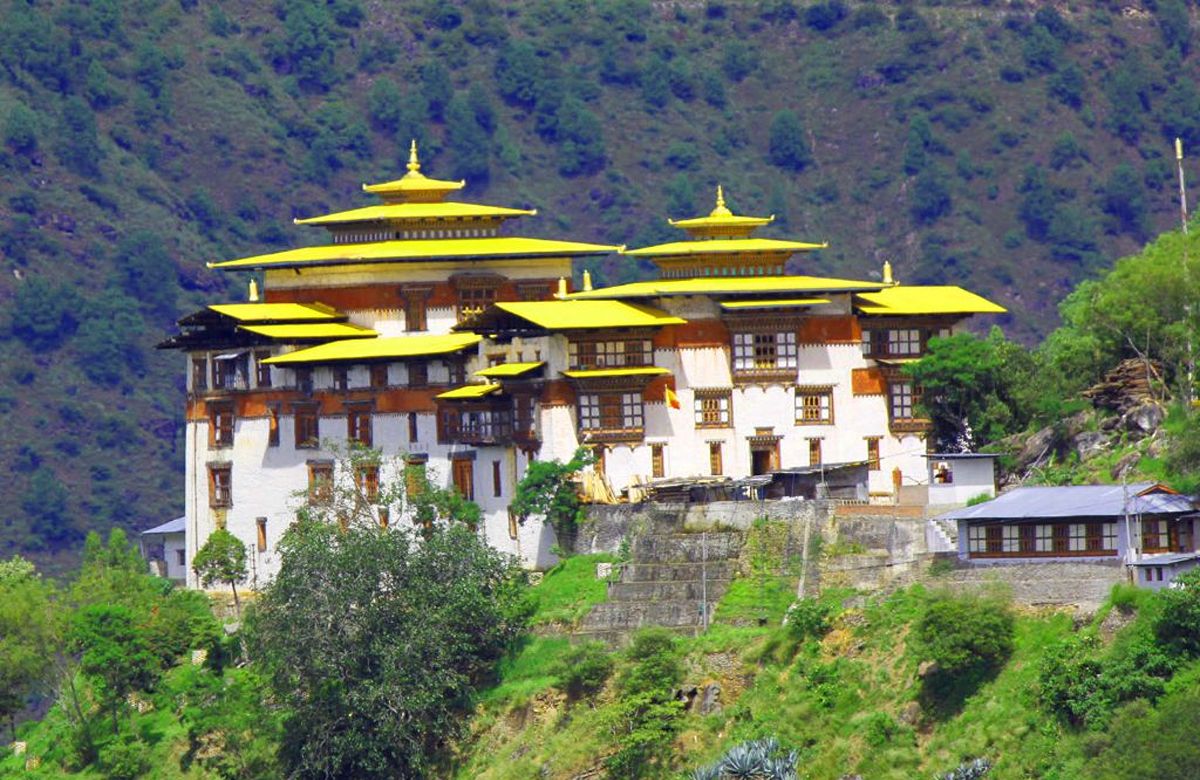
2,200 m · the crossroadsTrongsaYou see it an hour before you reach it, across the gorge.
2,600–3,100 m · four valleysBumthangOlder than the dzongs, and considerably quieter.
1,400–1,600 m · the east beginsMongar & LhuentseWhere the visitor numbers fall away to almost nothing.
1,100 m · the far eastTrashigang & TrashiyangtseFour days' driving from Paro, or an hour's flight from Yonphula.
Spring and autumn are the settled seasons — clear air, comfortable days, and most of the major tshechus. Winter is cold at night and often brilliantly clear, which makes it the best time for Himalayan views from Dochu La and the only time to see black-necked cranes in Phobjikha.
The monsoon, roughly mid-June to early September, is wet, green and very quiet. Cloud sits on the passes and afternoon rain is normal, but valley travel continues and the country looks entirely different.
A general guide to western and central Bhutan. Conditions vary with altitude, and weather in the Himalaya does not read guides.
Bhutan’s entry rules changed materially in recent years and a lot of what is written online is out of date. This is the current position.
A visa is required before you travel and costs US$40 per person, one-off and non-refundable. You may apply directly through Bhutan's official online system, or a tour operator or hotel can apply on your behalf.
Indian nationals do not require a visa but do need a permit, issued online or on arrival. Bangladeshi and Maldivian nationals have separate arrangements.
A levy set by the Royal Government of Bhutan and charged for every night you spend in the country. It funds free healthcare and education, conservation and infrastructure, and it is included in every quotation we send.
| Traveller | Per night |
|---|---|
| Adult | US$100 |
| Child aged 6–12 | US$50 |
| Child under 6 | Exempt |
| Indian nationals | Nu. 1,200 |
Current rate, confirmed to 31 August 2027.
Paro International is the principal gateway, served by Drukair and Bhutan Airlines from a small number of regional hubs. It is not the country's only airport, and aviation infrastructure is being expanded.
Entry by road is possible at Phuentsholing, Samtse, Gelephu and Samdrup Jongkhar. Which are open to international visitors can change, and requirements vary by nationality.
Government fees and entry rules can change. All the travel questions →
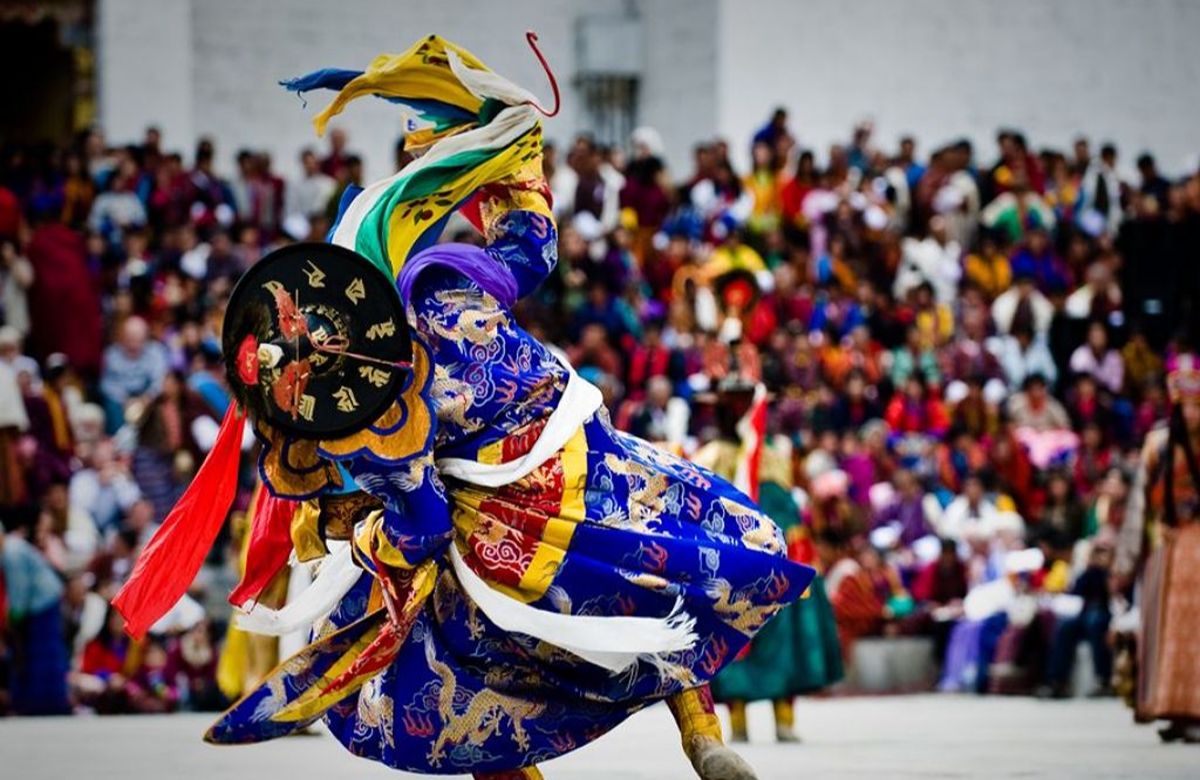
A tshechu is a religious festival held in a dzong or monastery courtyard in honour of Guru Padmasambhava. Masked cham dances are performed over several days, the community turns out in its best kira and gho, and the whole valley stops.
Dates follow the Bhutanese lunar calendar and are confirmed each year, so they move against the Gregorian calendar. Courtyard seating is public and unreserved — we will get you there early and tell you where to stand, but nobody can reserve you a place.
Two of our journeys are built around them: Courtyard and Mask in the western valleys, and Autumn Festivals of Bumthang for the village version.

Tell us who is travelling, roughly when, and what you would like the trip to include.
No call centre and no automated quote. A person in our Thimphu office reads what you have written and replies with a plan built around it.
We will come back with a written itinerary and a full quotation — the Sustainable Development Fee and the visa fee included, with nothing added at the end.