Sky Dragon Expeditions

The country

The Kingdom

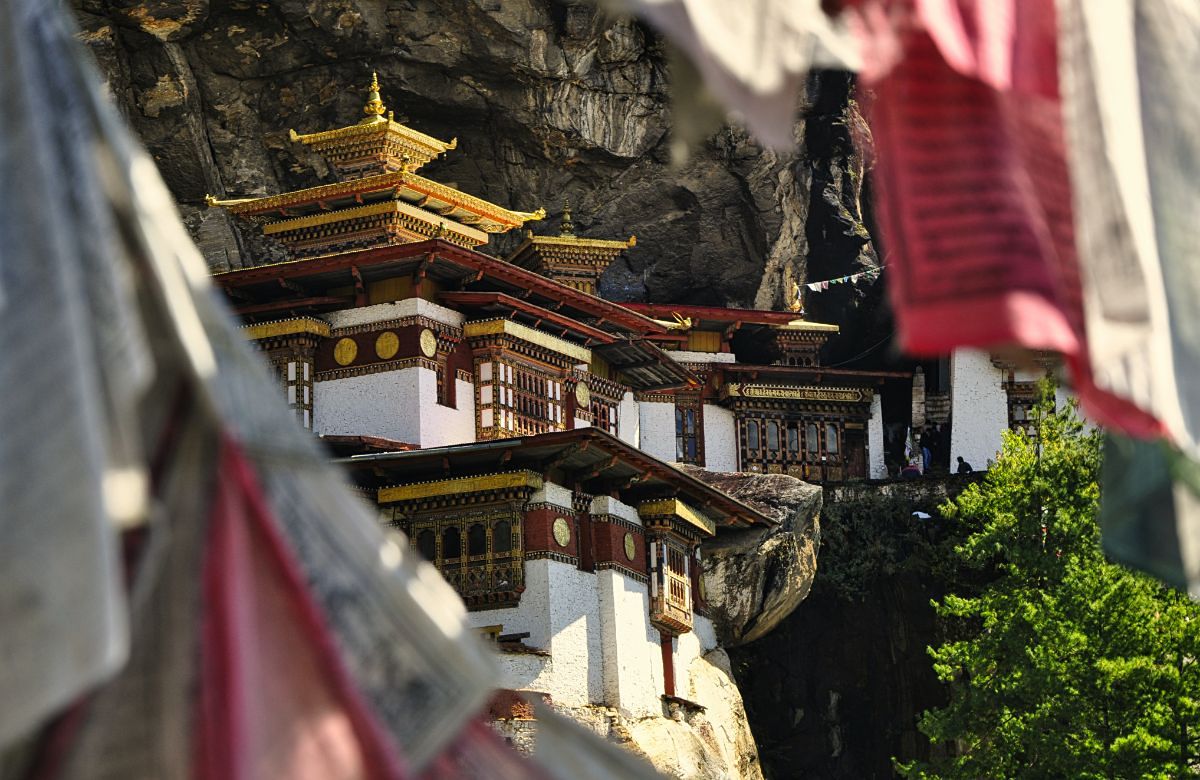
A Himalayan kingdom of roughly 38,000 square kilometres between India and the Tibetan plateau, divided into twenty dzongkhags and defined more by its valleys than by its borders.

Orientation

Druk Yul — the land of
the thunder dragon

Bhutan runs roughly three hundred kilometres east to west and rises from around two hundred metres on the Indian plain to more than seven thousand on the Tibetan border. Almost nothing about it is flat. Valleys are separated by forested passes, and the road between two towns forty kilometres apart can take three hours — which is why our itineraries quote real driving times.

The constitution requires that at least sixty per cent of the land remain under forest cover in perpetuity, and actual cover is well above that. More than half the country sits inside protected areas and biological corridors, connected so that wildlife can move between them. A drive east feels like moving through a national park rather than around one.
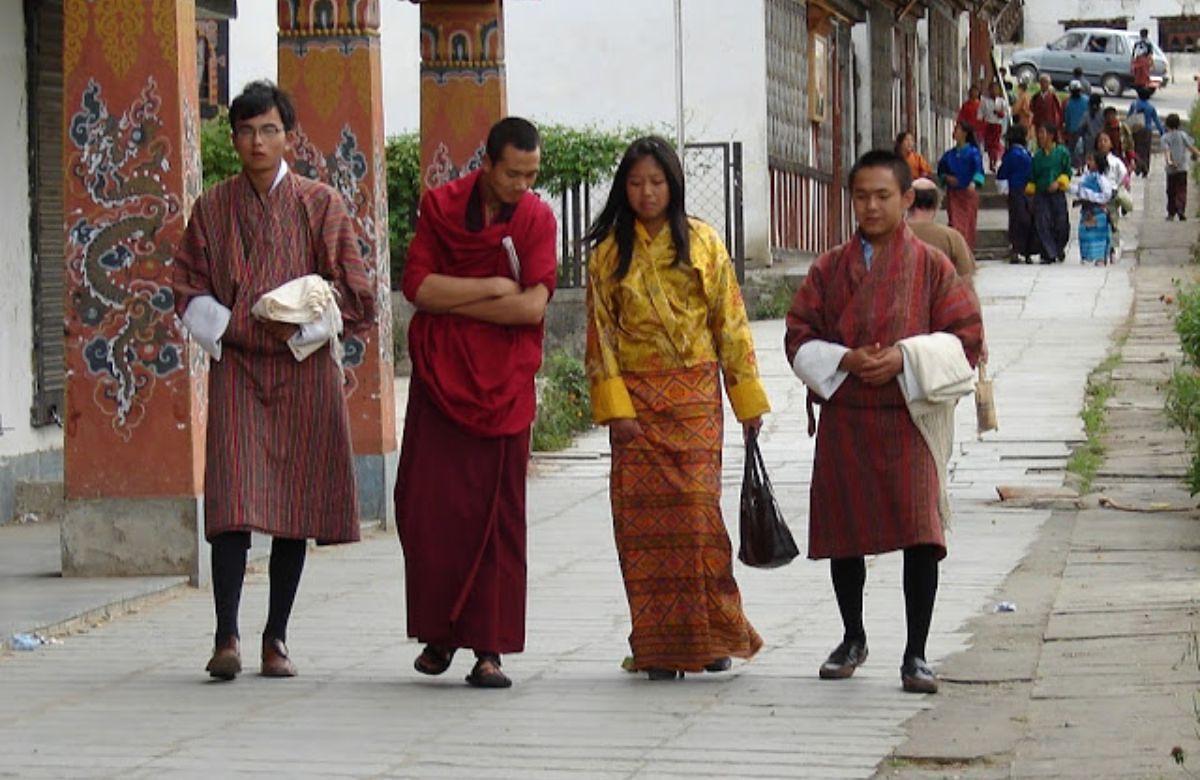
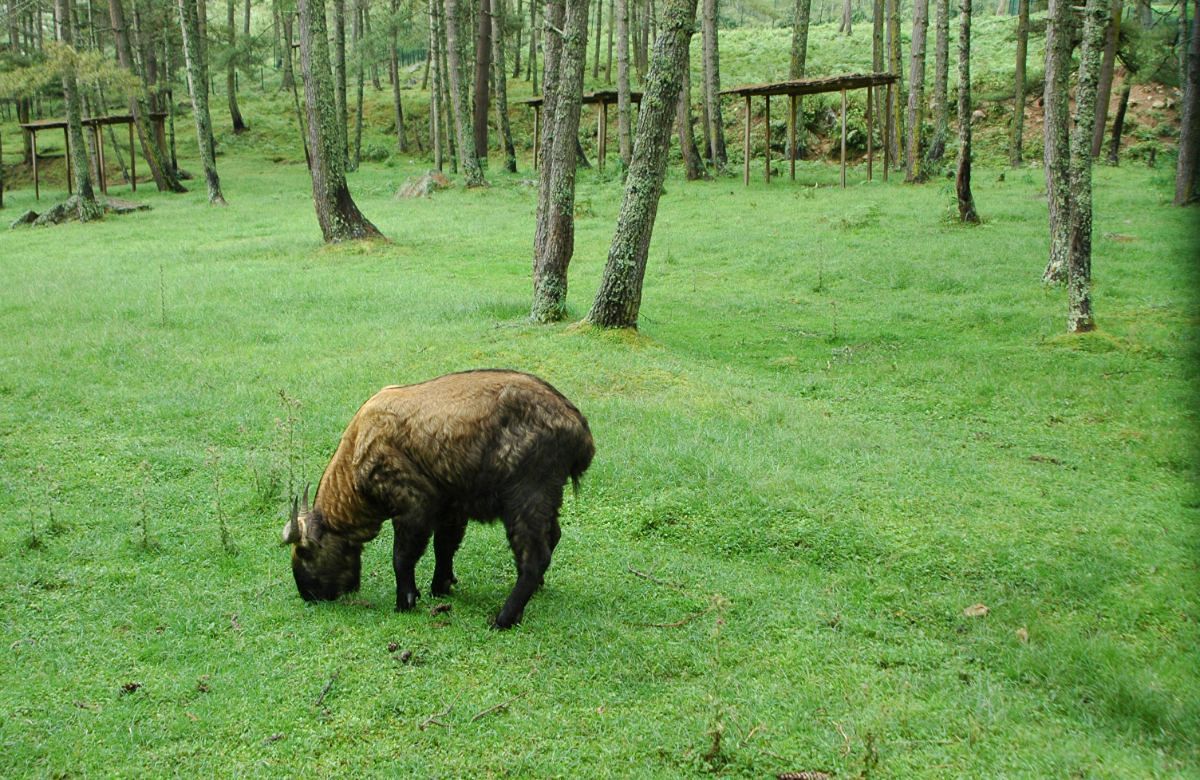
Bhutanese national dress, the gho and the kiraA takin, Bhutan's national animalTakinThe national animal, kept at the Motithang preserve above Thimphu
History

Never colonised

Unification, 1616–1651

Zhabdrung Ngawang Namgyal, a lama fleeing sectarian conflict in Tibet, unified the valleys and built the network of dzongs — fortress-monasteries that still house both the district administration and the monastic body in the same building. Punakha, Trongsa, Paro and Wangdue all date from his lifetime or shortly after.

The monarchy, 1907

After two centuries of contested rule, Ugyen Wangchuck, the Trongsa Penlop, was elected the first Druk Gyalpo in 1907. The crown prince still holds the Trongsa title before accession. Five kings have reigned since.

A written constitution, 2008

The fourth King voluntarily devolved power to an elected parliament and abdicated in favour of his son. Bhutan held its first national election in 2008 under a constitution that the monarchy had itself drafted and circulated for public comment.

Gross National Happiness

Development in Bhutan is measured against Gross National Happiness, a policy framework with four pillars — sustainable development, cultural preservation, environmental conservation and good governance. It is easy to be cynical about from a distance. In practice, for a visitor, it is why the buildings look the way they do, why the forest is still there, and why tourism is managed the way it is.

Wildlife

What you might see

Bhutan holds an unusual range of habitat for its size, from sub-tropical forest to alpine scree. Sightings are never guaranteed — these are opportunities, not promises.

Black-necked cranes

Roughly five hundred birds overwinter in the Phobjikha valley, arriving from the Tibetan plateau in late October and leaving by mid February. The crane centre at Gangtey has hides and a telescope. Outside those months there is nothing to see — which is why Crane Season in Phobjikha only runs in winter.

Forest mammals

Takin, red panda, Himalayan black bear, serow, golden langur and — very rarely — snow leopard and tiger. Bhutan is one of the few countries where tigers have been recorded above three thousand metres. Most visitors see none of them, and anyone who tells you otherwise is selling something.

Birdlife

Well over six hundred recorded species, with the eastern districts and the Bumdeling area especially rich. Spring is the strongest season. Dedicated birding itineraries need a specialist guide, which we arrange separately.

Work out where you want to go

Tell us how long you have and what you are drawn to. We will tell you honestly what fits in that time and what is better saved for a second trip.