Arrive at Paro
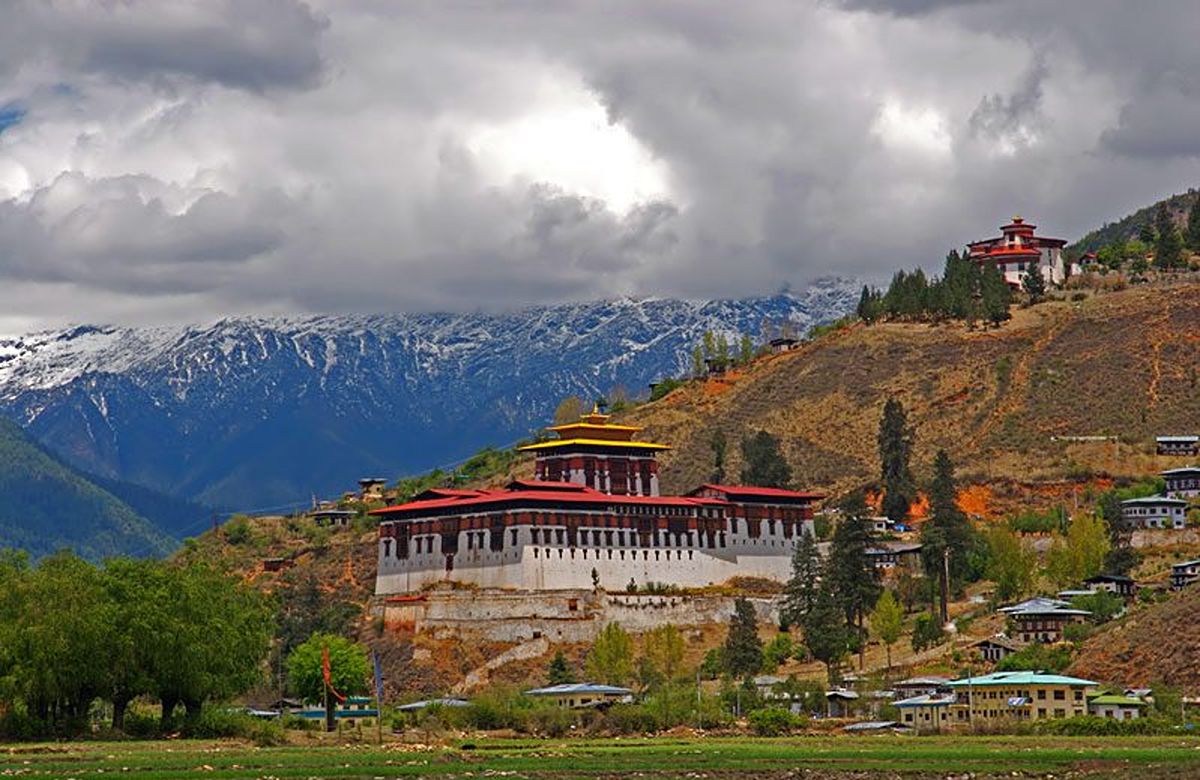
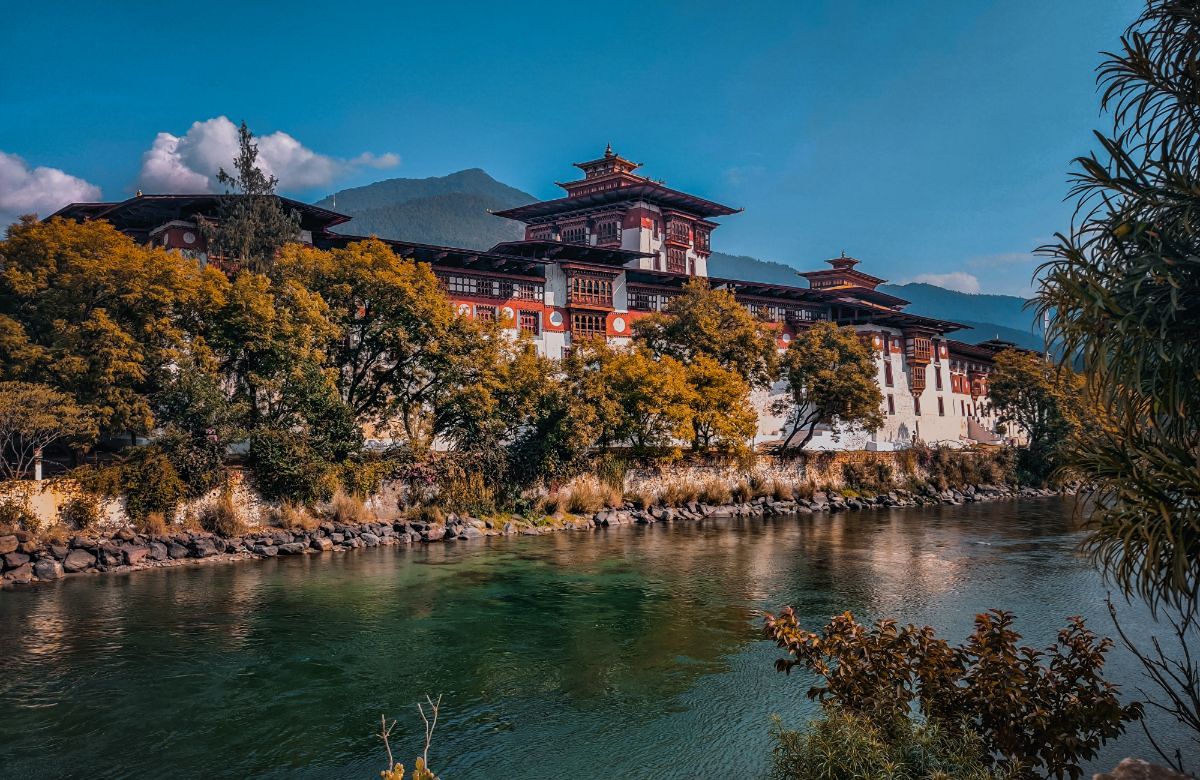
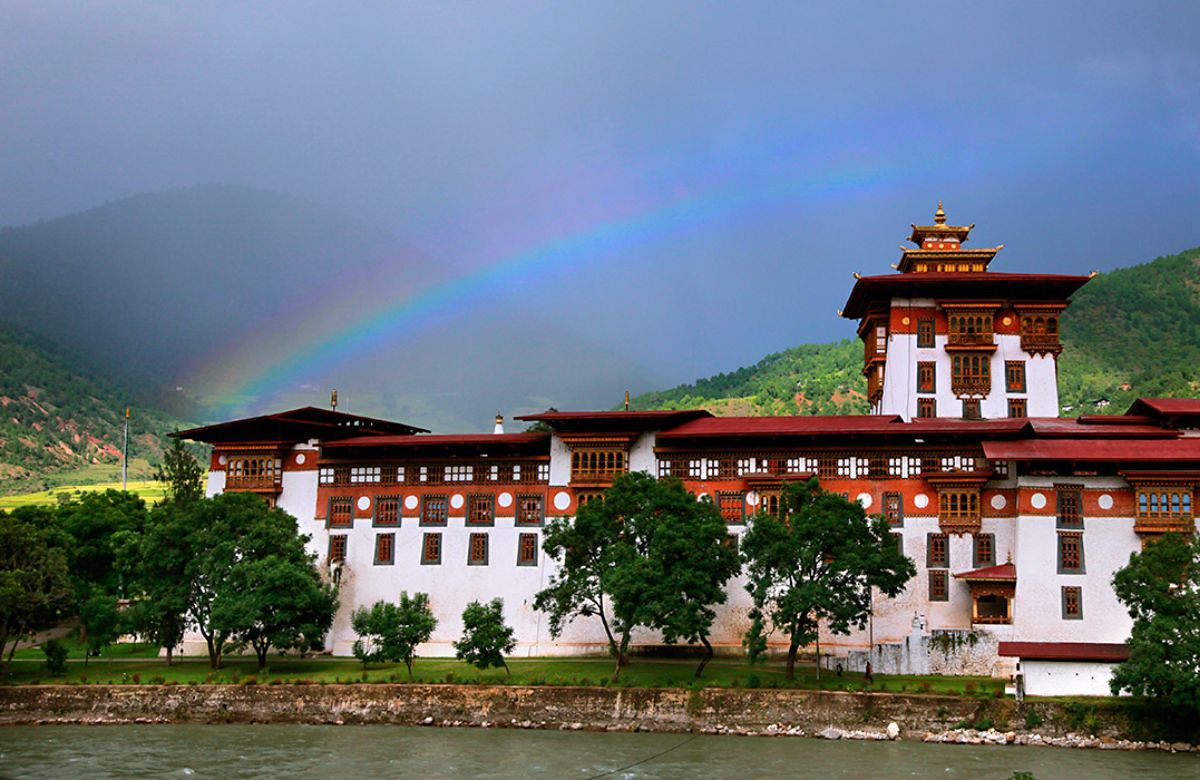
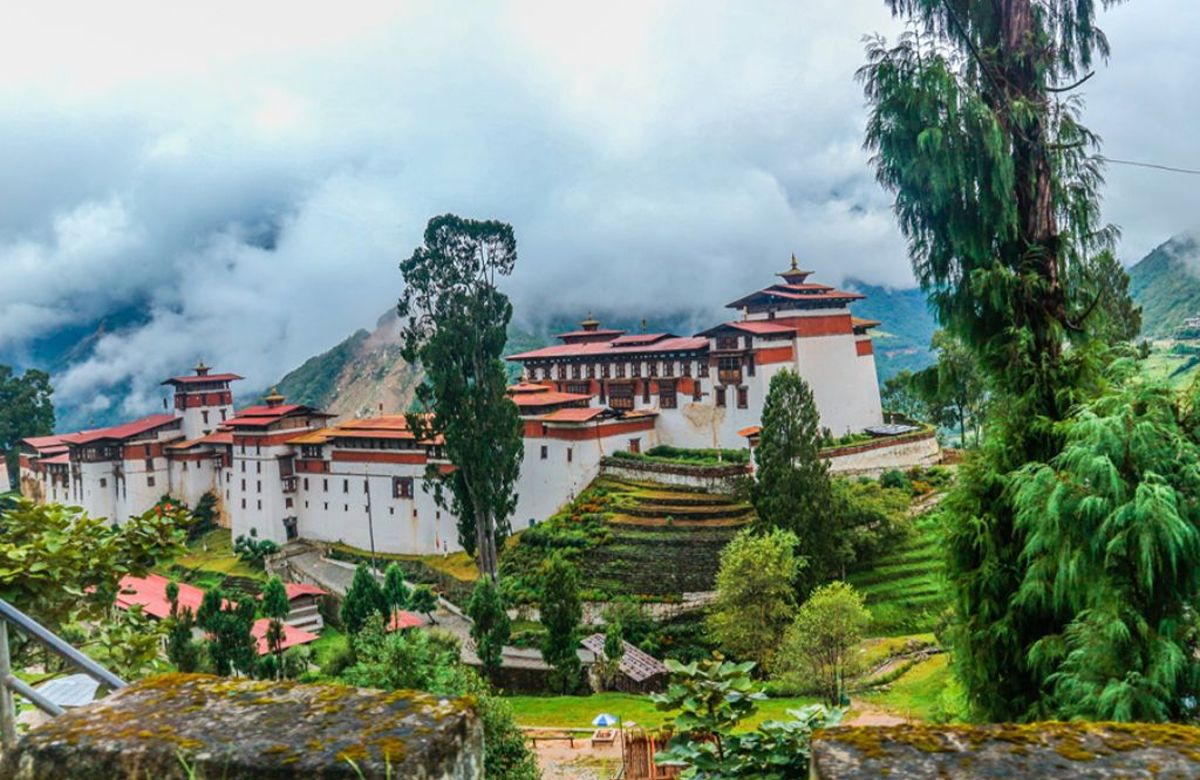
Arrival and an easy afternoon — Rinpung Dzong, built in 1644, and Kyichu Lhakhang if there is time.
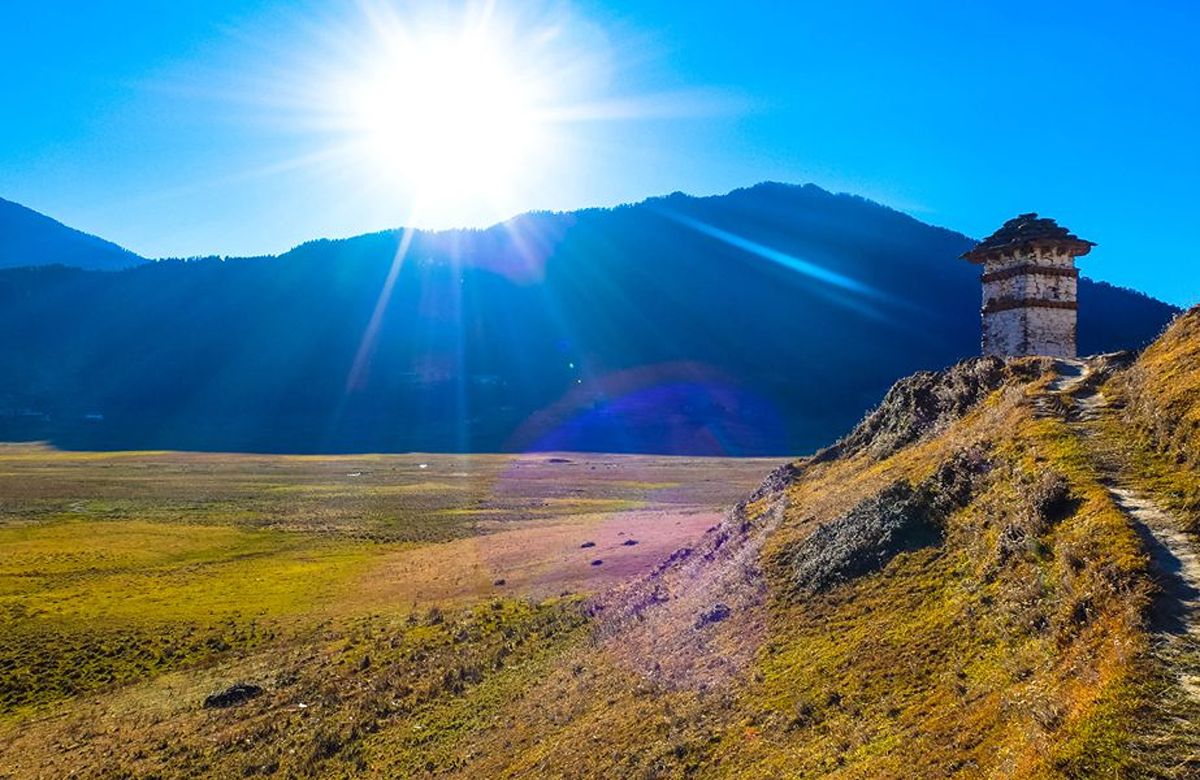
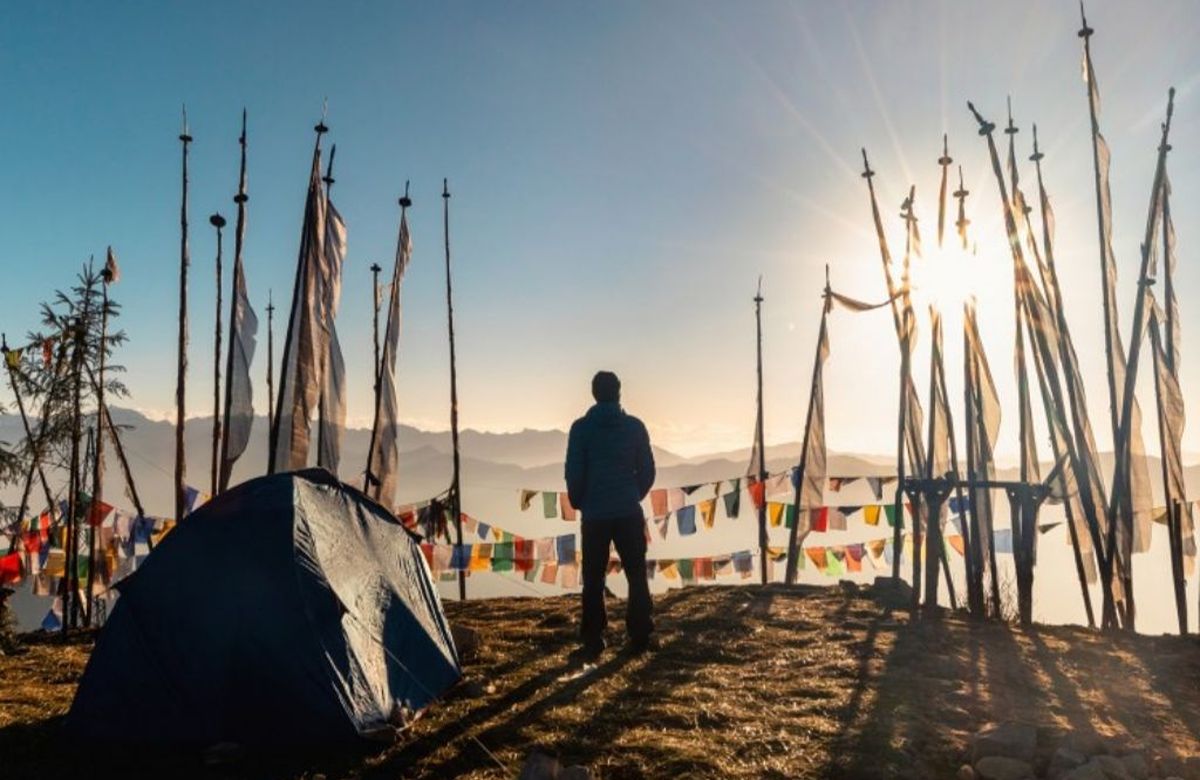
Winter afternoons in Paro are often brilliantly clear and very cold once the sun drops behind the ridge.
All ten journeysCultural, trekking, festival, wildlife
Seven days timed for the months the cranes are in the valley — late October to mid February — with the western dzongs on the way in and out.
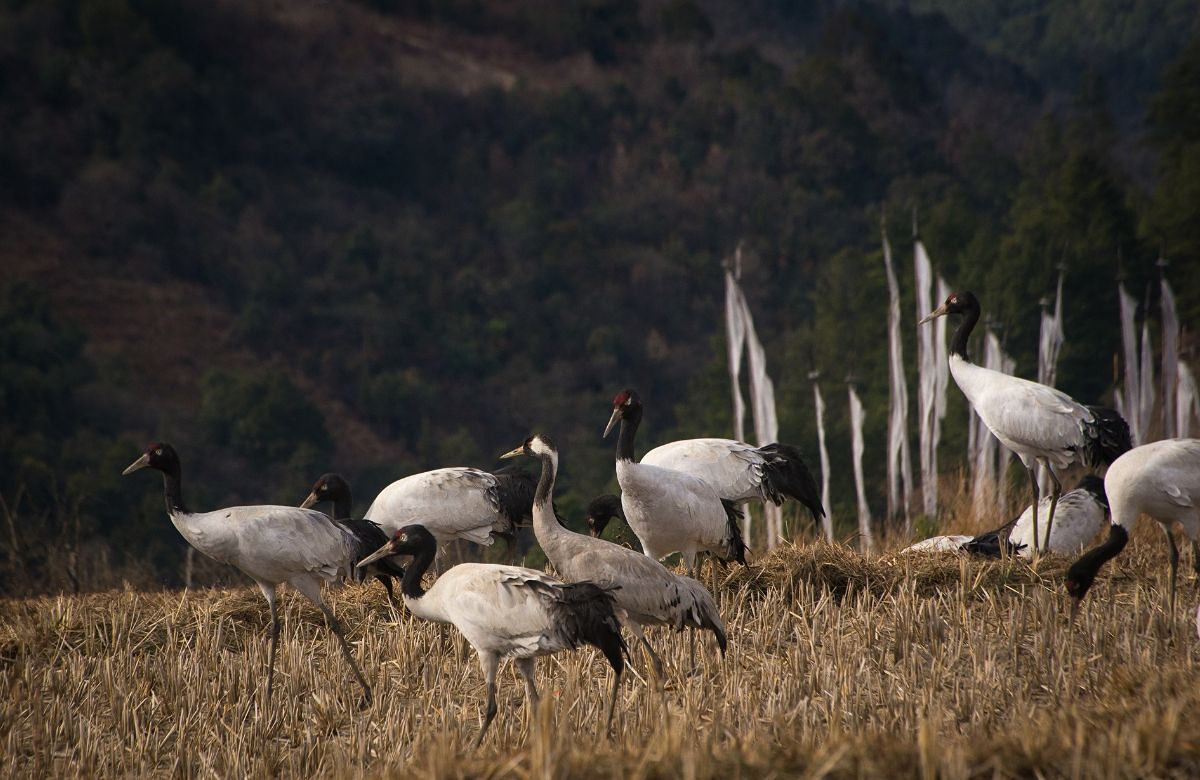
Roughly five hundred black-necked cranes fly over the Himalaya from the Tibetan plateau each autumn and spend the winter in the marshy floor of the Phobjikha valley. They arrive from late October and are gone by mid February. Outside those months this is a beautiful empty valley with no cranes in it, so the timing is the itinerary.
The itinerary below is what we would run as written. Every day of it is adjustable — add a night, drop a drive, change a valley. Read when to travel if you are still choosing dates, and entry and fees for what a quotation covers.
Anyone who would rather watch something happen than tick off buildings, and travellers who do not mind cold nights. Walking is easy throughout. Bring a telephoto lens and warm layers.
Private departure, any date. We reply with a written itinerary and a full quotation.
Overnight stops in order. Read more about each valley on the valleys page.
Driving times are realistic for Bhutanese mountain roads. Everything here is adjustable.
Arrival and an easy afternoon — Rinpung Dzong, built in 1644, and Kyichu Lhakhang if there is time.
Winter afternoons in Paro are often brilliantly clear and very cold once the sun drops behind the ridge.
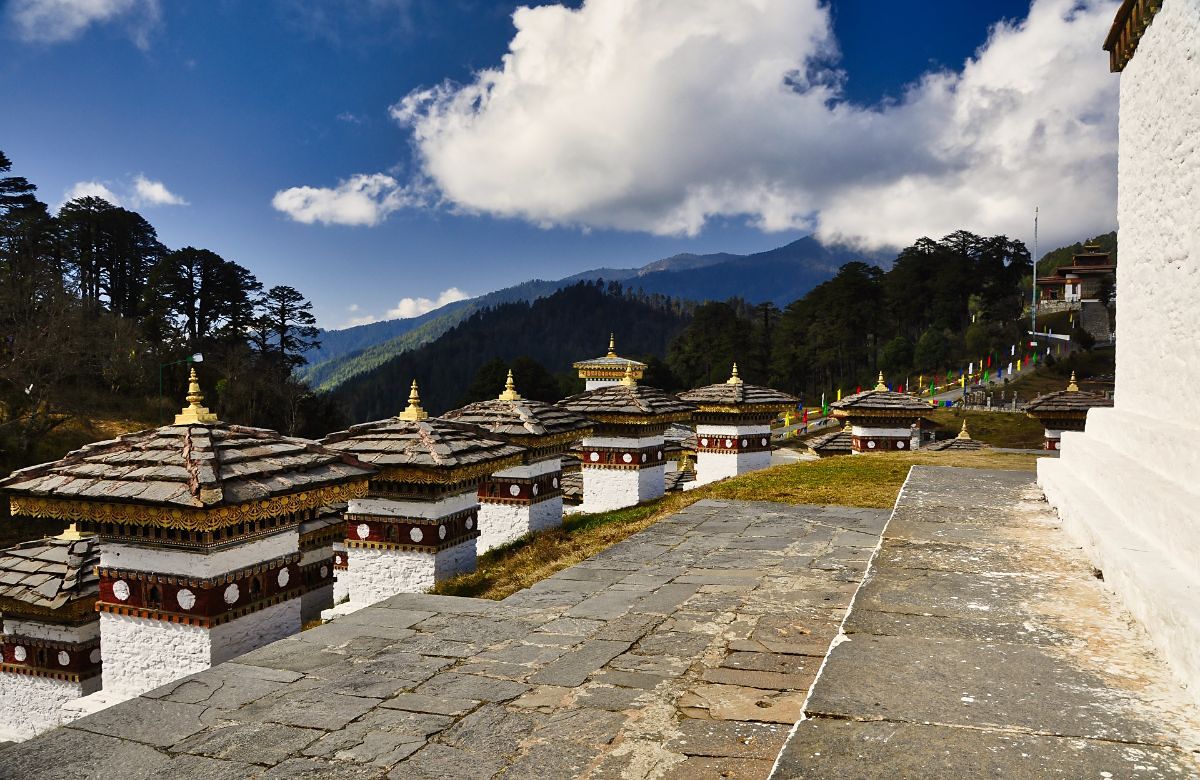
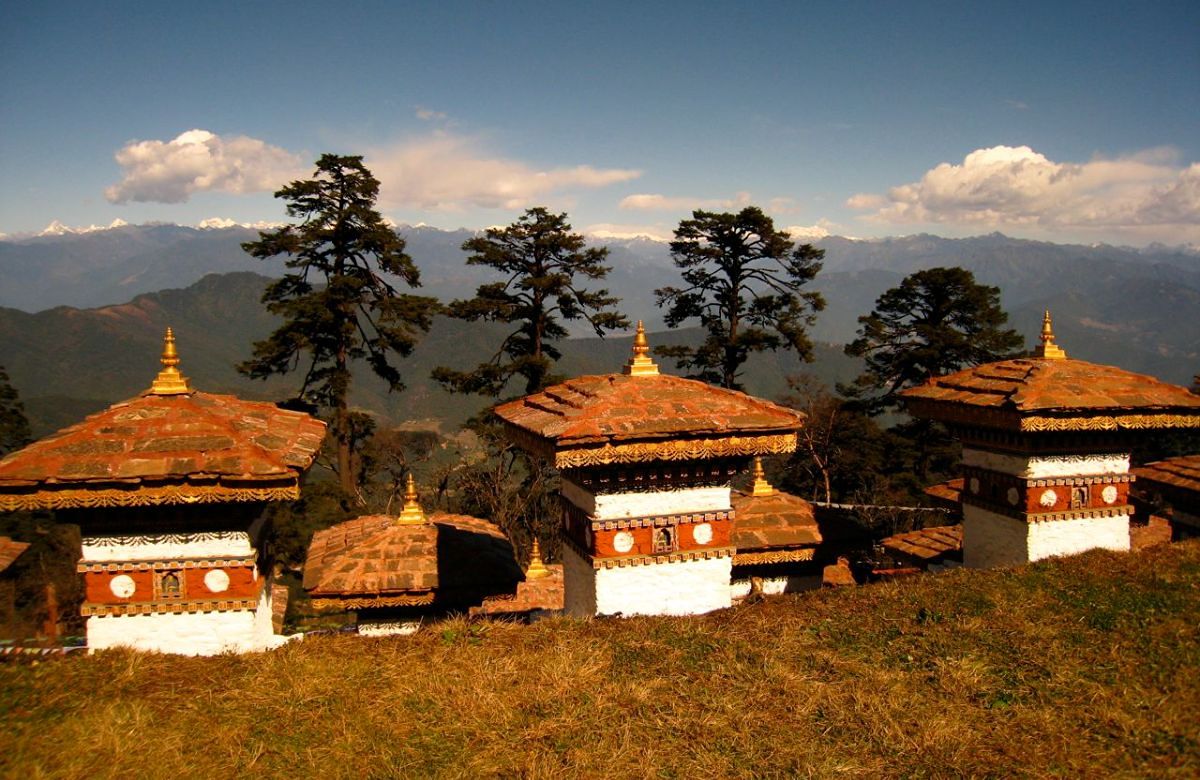
Winter is the best season for Dochu La. The haze that hides the Himalaya for much of the year is gone, and on a clear morning the whole eastern range is visible from the pass, Gangkhar Puensum at 7,570 metres included.
Then the long descent into Punakha at about 1,250 metres, which in December feels genuinely warm after the pass.
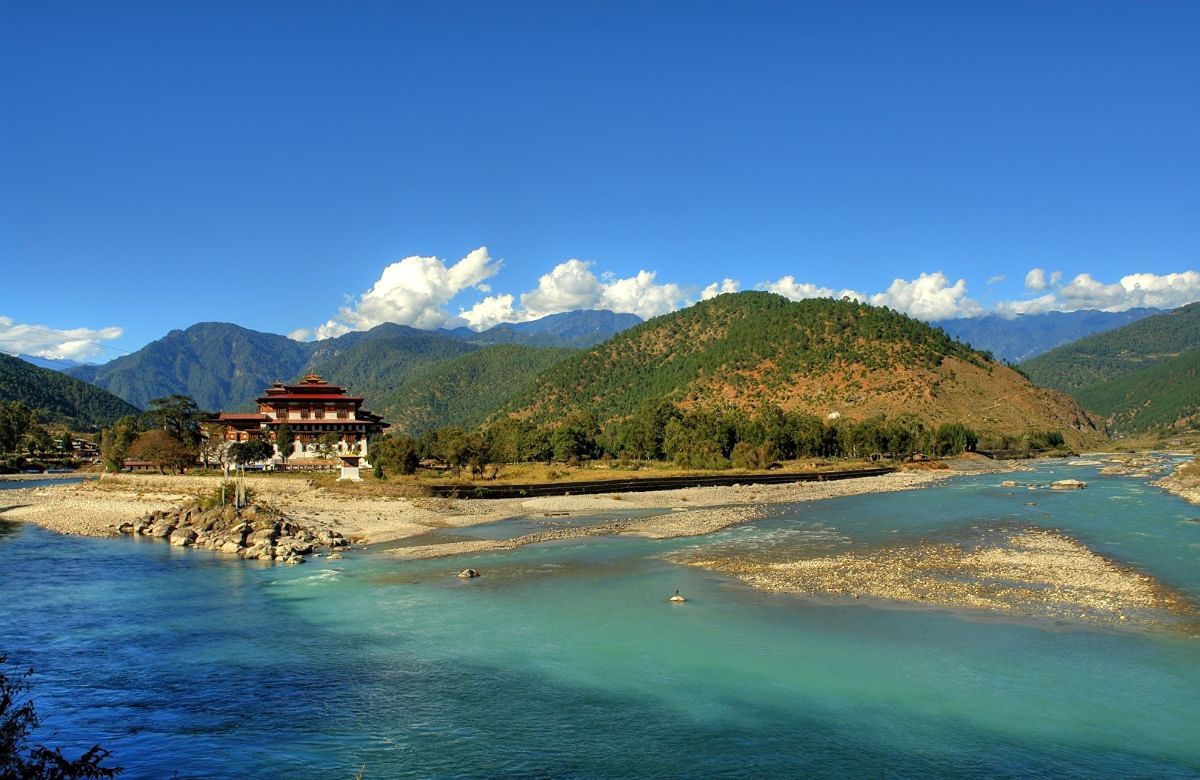
Punakha Dzong, 1637–38, at the confluence of the Pho Chhu and Mo Chhu. The central monastic body moves here for the winter, so between roughly November and April the dzong is at its busiest and most alive.
In the afternoon the walk up to Khamsum Yulley Namgyal Chorten, about forty-five minutes through the terraces.
The road climbs east and then turns off the highway at Nobding, up through hemlock and dwarf bamboo over the Lawa La at about 3,360 metres, and drops into Phobjikha.
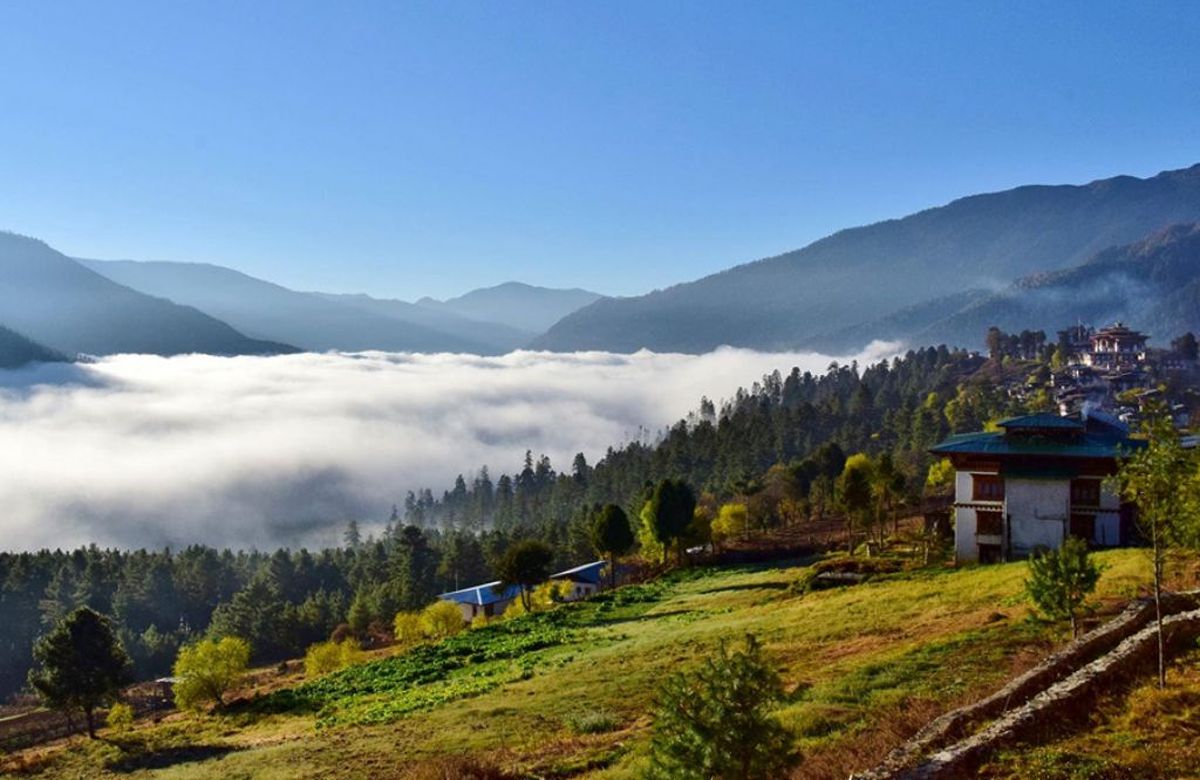
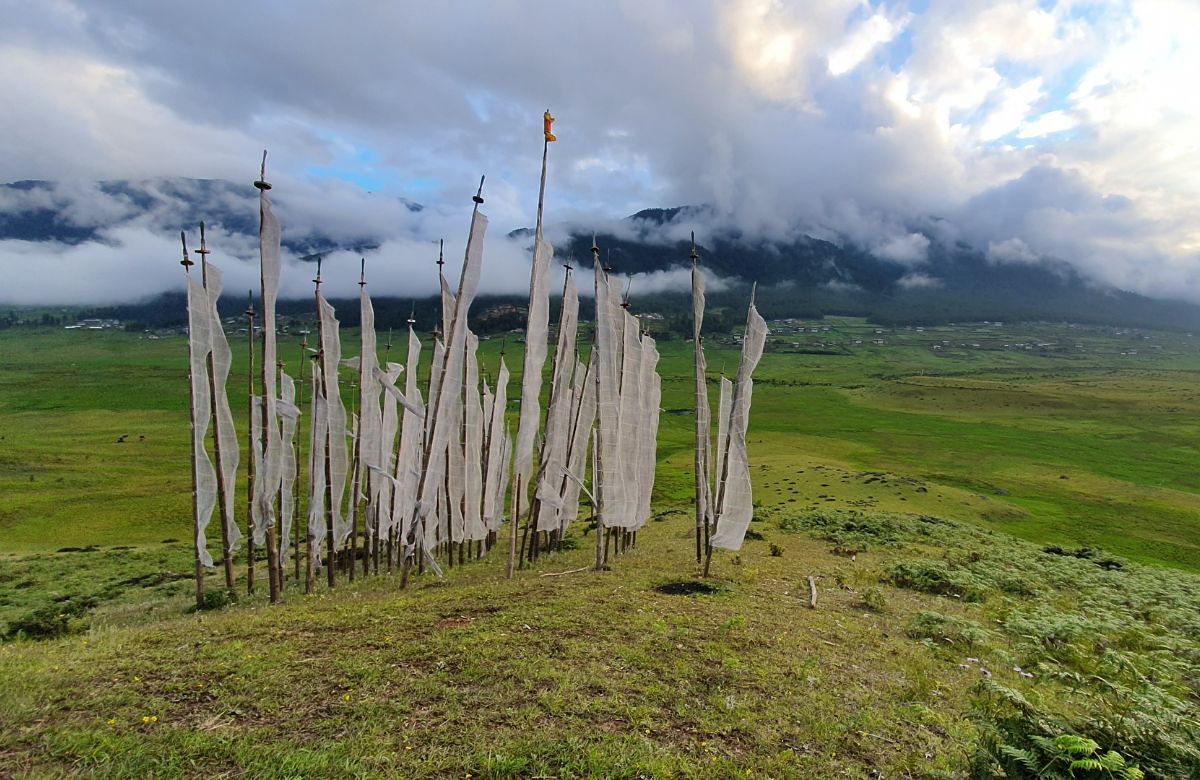
The valley is startling on first sight: a broad, flat, treeless glacial bowl at around 2,900 metres, entirely unlike anywhere else in Bhutan, with Gangtey Goenpa on a wooded spur above it. If the cranes are in, you will very likely see your first birds this afternoon from the road.
An early start, because the birds are most active soon after first light and the valley often holds mist until mid-morning. The Black-Necked Crane Information Centre, run by the Royal Society for Protection of Nature, has hides and a spotting scope, and the staff know where the birds have been feeding.
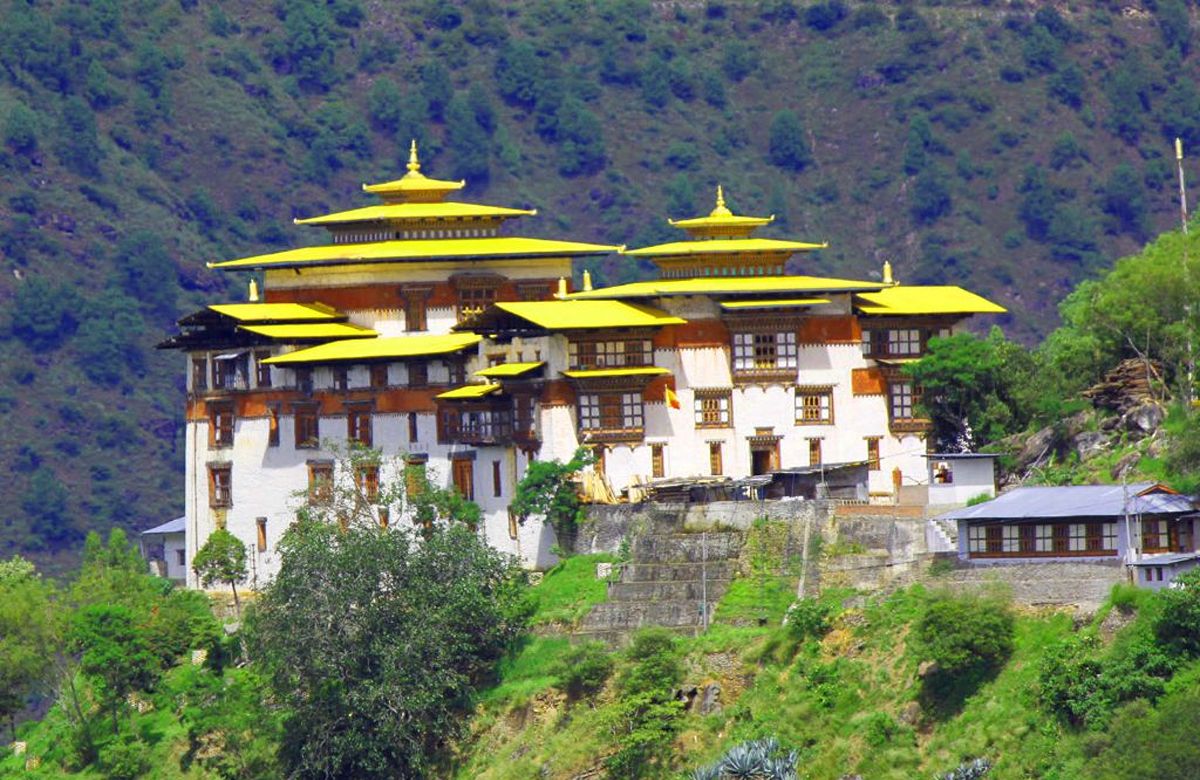
Gangtey Goenpa, on the ridge above, was founded in the seventeenth century in the Pema Lingpa lineage and is the largest Nyingma monastery in western Bhutan. The Gangtey Nature Trail runs downhill from behind it through meadow and pine to the valley floor — about an hour and a half, entirely gentle, and the best way to understand the shape of the place.
Late afternoon back at the marsh edge as the birds come in to roost.
The return over the Lawa La and Dochu La to Paro. It is a long day on the road, broken at the passes and for lunch near Punakha.
Afternoon in Paro, with the National Museum if there is light left.
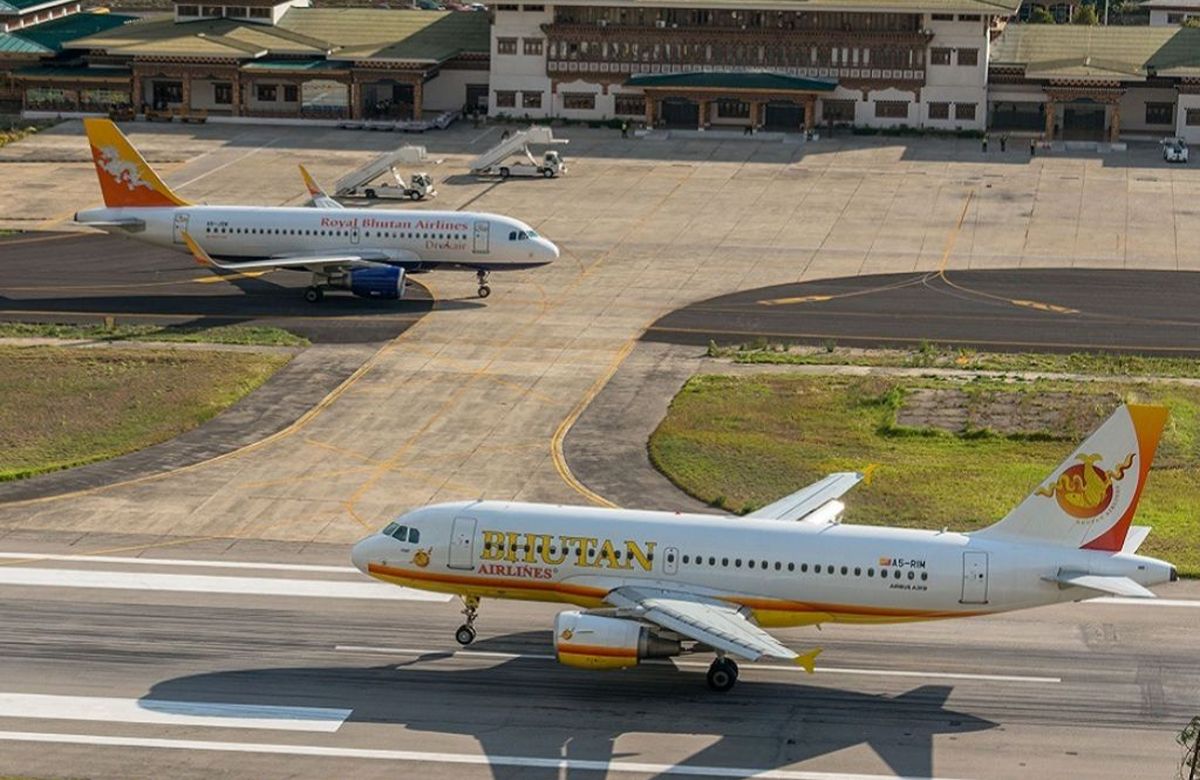
Transfer to Paro International for your flight home.
Altitude range on this journey is 1,250–3,360 m. Sleeping heights matter more than the passes you drive over — see travel questions on altitude.
One figure covers everything on the left, the Sustainable Development Fee and the visa fee included. There are no compulsory extras added later.
More general questions are answered on travel questions.
We do not publish prices, because a private trip priced honestly depends on your dates, your group and the hotels you want. Tell us those three things and you will have a real figure.
No call centre and no automated quote. A person in our Thimphu office reads what you have written and replies with a plan built around it.
Private departure on any date you choose. We reply with a written itinerary and a full quotation.
Cultural
8 days · 7 nightsParo, Thimphu and Punakha at a pace that leaves room for the Taktsang climb, an afternoon in the Punakha rice terraces and a drive over Chele La.
Cultural
11 days · 10 nightsEast from Punakha over the Pele La to Trongsa, then into the four valleys of Bumthang — the oldest temples in the country and the quietest roads.
Cultural
14 days · 13 nightsThe full length of the country, west to east, over Bhutan's highest road pass into the weaving districts most itineraries never reach.