All ten journeysCultural, trekking, festival, wildlife
Twenty dzongkhags, all open to travel. Most first trips cover the three western valleys; the interesting decisions start with what you add to them.
Bhutan has one main highway and it runs the length of the country. The valleys below are in that order. How far east you get is the single biggest decision in planning a trip — Paro to Bumthang is two days of driving, Paro to Trashigang is four. See the journeys for how they combine.
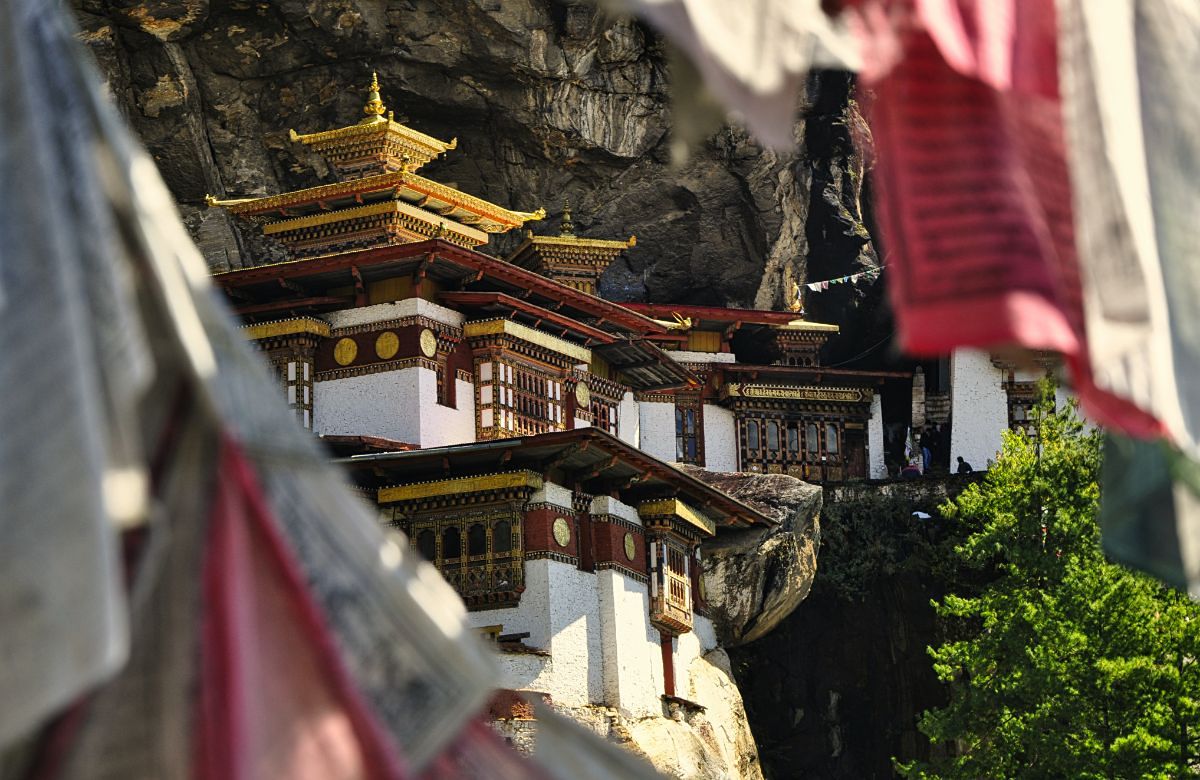
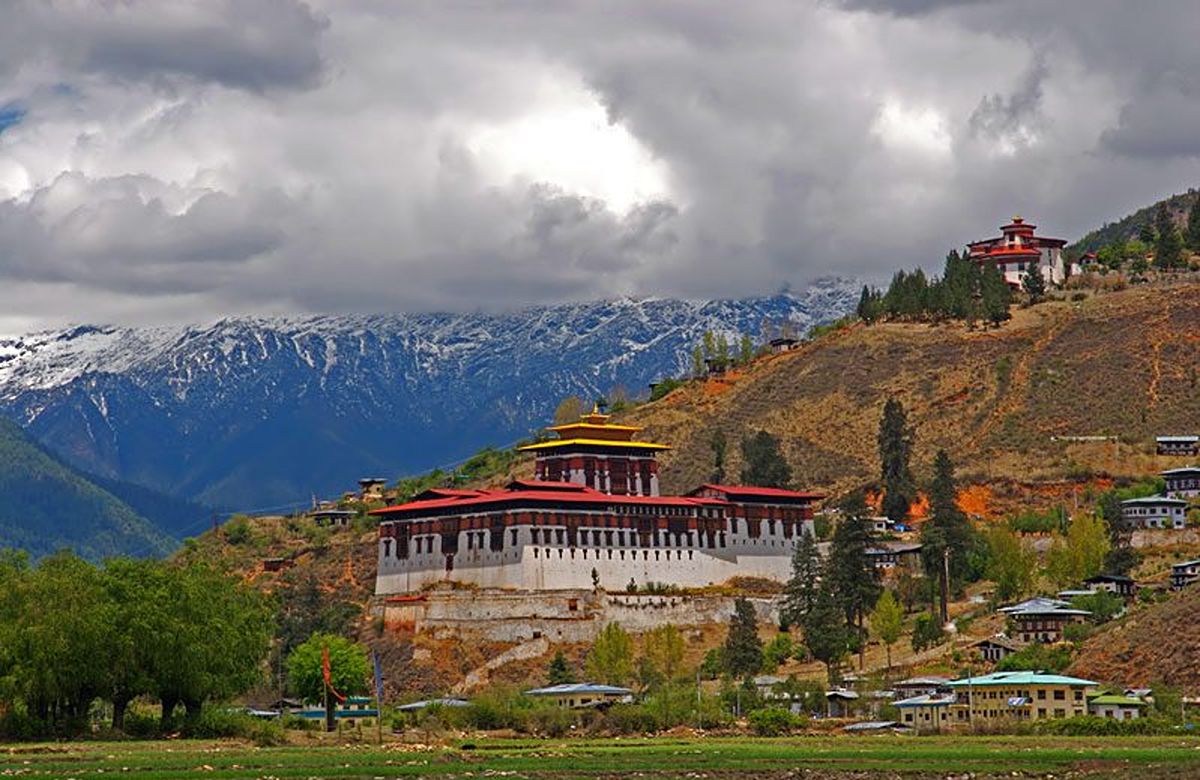
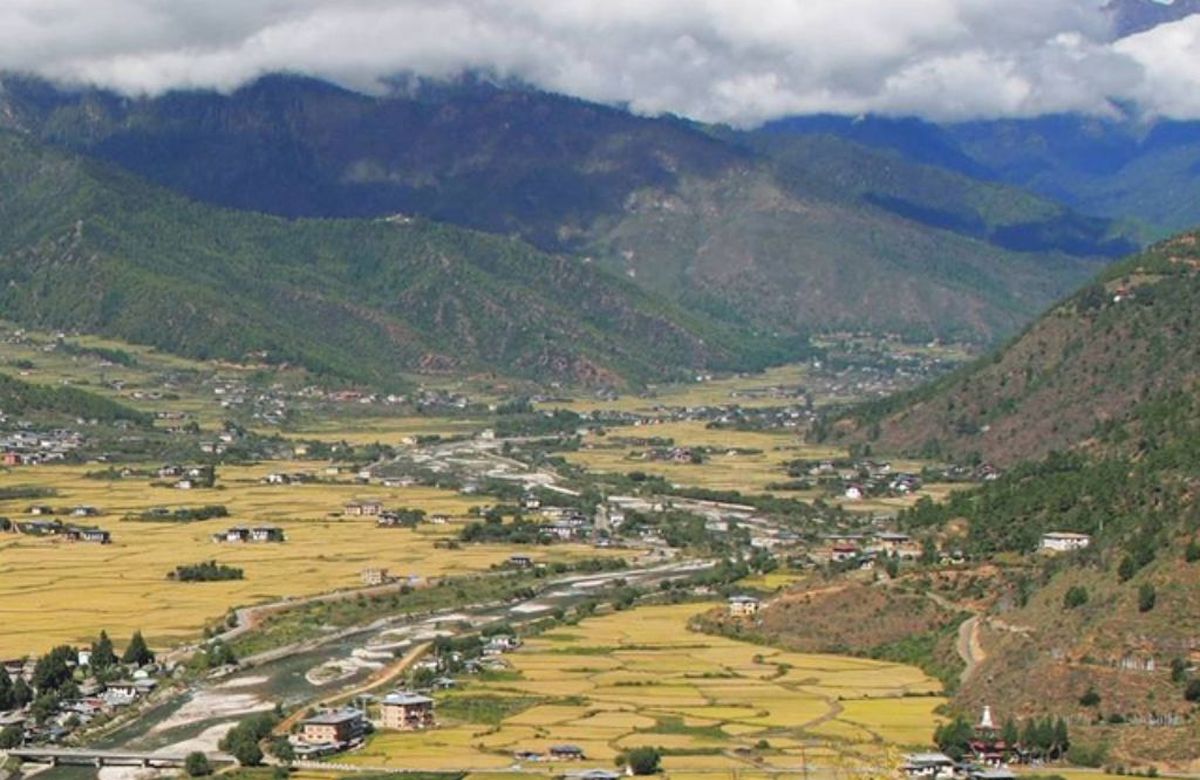
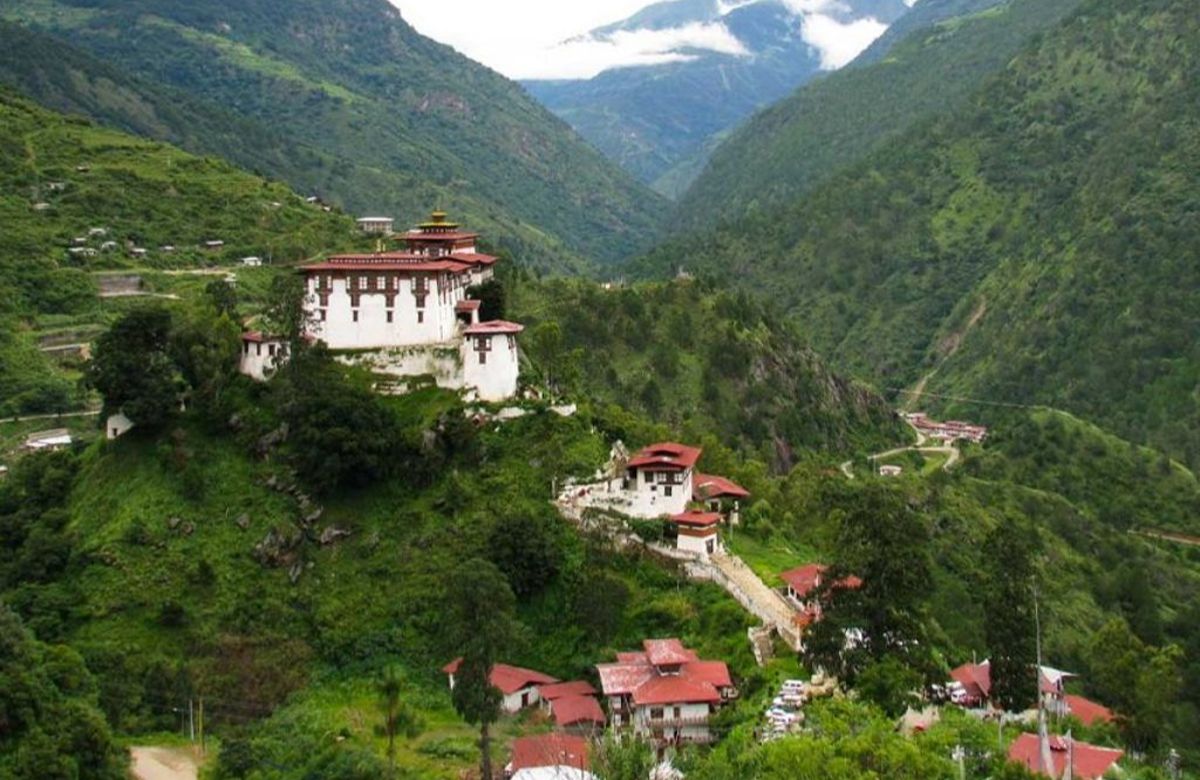
The valley you land in, and the only one with an international runway. Rinpung Dzong of 1644 sits above the river, reached across a traditional cantilever bridge, with the National Museum in the round watchtower above it. Kyichu Lhakhang, at the valley’s mouth, has an original hall attributed to the seventh century. At the head of the valley stand the burnt ruins of Drukgyel Dzong, built in 1649 and destroyed by fire in 1951. And on the cliff to the north-west, Taktsang.
Wide, flat-floored and farmed in rice, which is unusual at this height.
Journeys that go there: Western Valleys Discovery · Haa and the High Passes · Druk Path: Paro to Thimphu on Foot


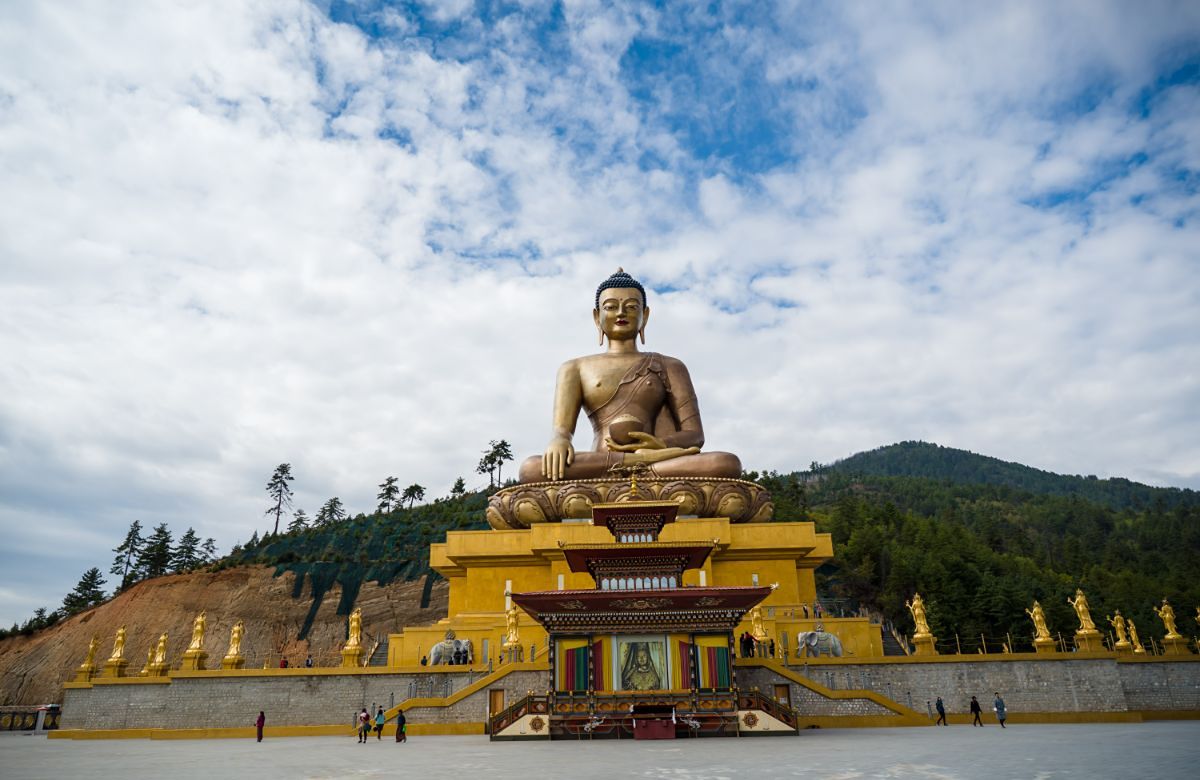
Capital since 1961 and home to roughly a hundred thousand people. The government works out of Tashichho Dzong, a seventeenth-century foundation substantially rebuilt in the 1960s, which opens to visitors once the offices close. Above the valley, the Buddha Dordenma stands just over fifty metres at Kuensel Phodrang. The National Memorial Chorten of 1974 is circumambulated all day by the city’s older residents.
A capital with no traffic lights and an archery ground in the middle of it.
Journeys that go there: Western Valleys Discovery · Druk Path: Paro to Thimphu on Foot · Slow Bhutan
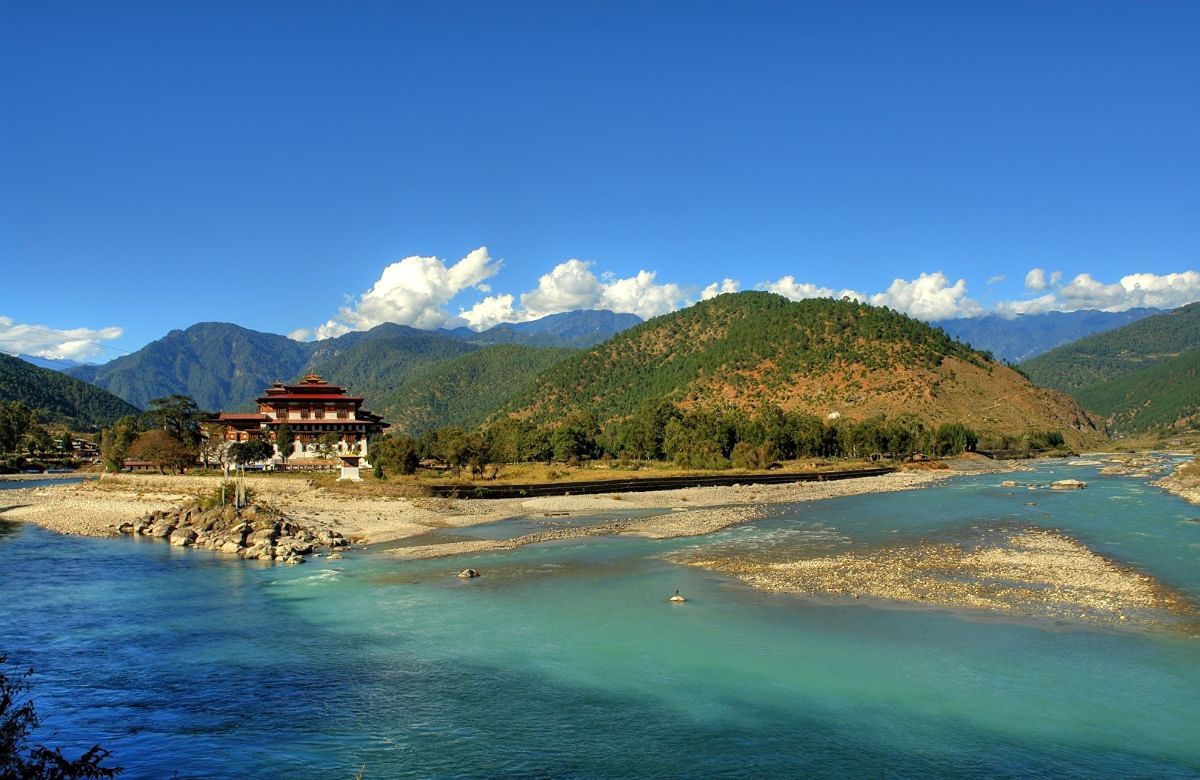
The old capital, warm all year, and home to the finest building in the country. Punakha Dzong was built in 1637–38 by Zhabdrung Ngawang Namgyal on the spit where the Pho Chhu and Mo Chhu meet, and remains the winter residence of the Je Khenpo and the central monastic body. Upvalley, Khamsum Yulley Namgyal Chorten of 2004 repays a forty-five minute climb through the rice terraces.
Rice on both banks, jacaranda in late spring, and no need for a coat.
Journeys that go there: Western Valleys Discovery · Slow Bhutan · Courtyard and Mask


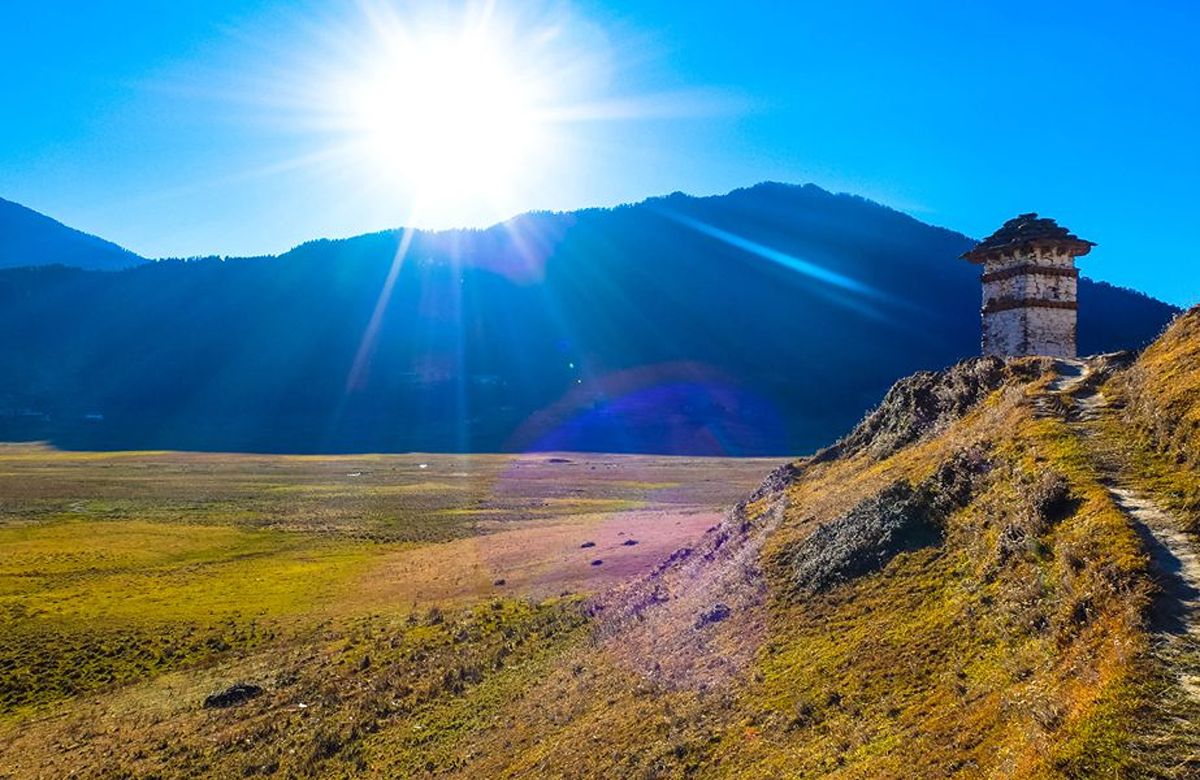
A broad, flat, treeless valley entirely unlike anywhere else in Bhutan, formed by ice rather than water. Roughly five hundred black-necked cranes overwinter on its marsh from late October to mid February. Gangtey Goenpa, on the wooded spur above, is the largest Nyingma monastery in western Bhutan. Power lines here were laid underground to keep the cranes’ flight paths clear.
Empty, high and cold. Come between November and January or not at all.
Journeys that go there: Crane Season in Phobjikha
Closed to foreign visitors until 2002 and still barely visited. A narrow valley floor farmed in buckwheat and barley, reached from Paro over Chele La at 3,988 metres. Lhakhang Karpo and Lhakhang Nagpo — the white and black temples — stand close together at the foot of the hills and are the oldest things here.
The valley to add if you have seen the west and want to see it again properly.
Journeys that go there: Haa and the High Passes


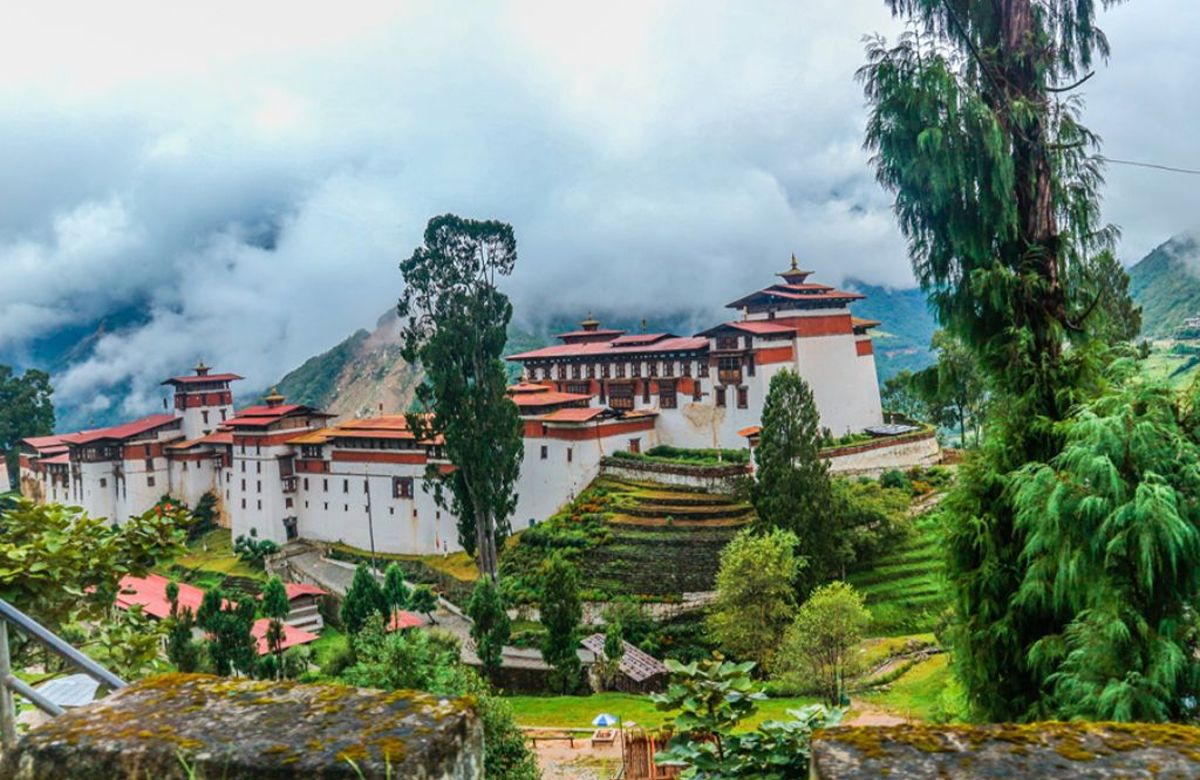
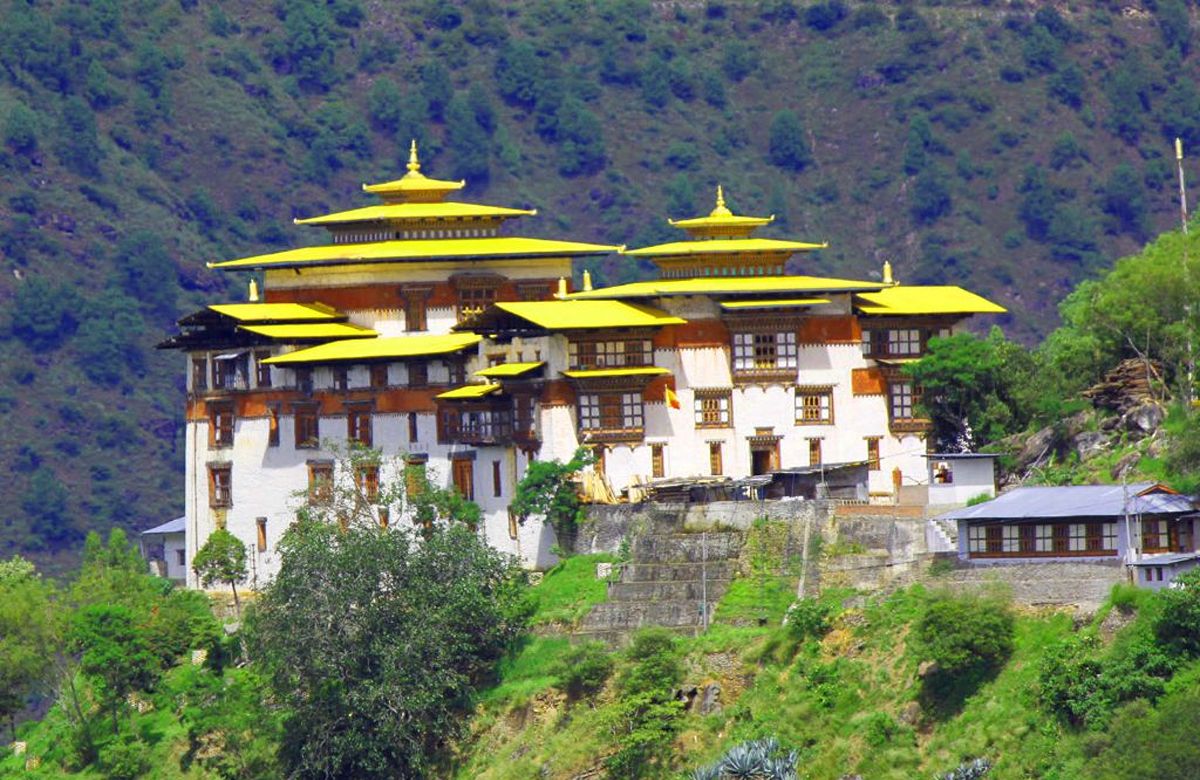
The dzong that controlled the only east–west route through Bhutan, built in 1648 and strung for several hundred metres along a spur above the Mangde Chhu gorge. It is the largest in the country. Both the first and second Kings ruled from here, and the crown prince still holds the title of Trongsa Penlop before accession. The old watchtower above it is now the Tower of Trongsa museum.
You see it an hour before you reach it, across the gorge.
Journeys that go there: Dragon’s Heartland · The Eastern Road
Chokhor, Tang, Ura and Chhume — the spiritual heartland, and the part of Bhutan where the important buildings are temples rather than fortresses. Jambay Lhakhang is traditionally counted among the seventh-century foundations attributed to Songtsen Gampo; Kurjey Lhakhang is built around a cave holding what is held to be Guru Padmasambhava’s body imprint; Tamshing was founded in 1501 by Pema Lingpa. Too high for rice: this is buckwheat and potato country.
Older than the dzongs, and considerably quieter.
Journeys that go there: Dragon’s Heartland · Autumn Festivals of Bumthang · The Eastern Road


Reached over the Thrumshing La at about 3,780 metres, the highest pass on Bhutan’s road network, on a descent that drops more than three kilometres of altitude in an afternoon. Mongar Dzong was built in the 1930s and shows that the old techniques are still in use. North of it, Lhuentse is the ancestral home of the royal family and the most isolated dzongkhag in the country — and Khoma village weaves kishuthara, the finest textile in the Himalaya.
Where the visitor numbers fall away to almost nothing.
Journeys that go there: The Eastern Road
The largest and most populous dzongkhag, and the commercial centre of eastern Bhutan. Trashigang Dzong, founded in 1659, hangs on a spur above the Drangme Chhu. North at Trashiyangtse, Chorten Kora of 1740 is modelled on Boudhanath in Kathmandu and draws pilgrims from Bhutan and Arunachal Pradesh. Radhi weaves raw silk; Trashiyangtse turns wooden bowls.
Four days' driving from Paro, or an hour's flight from Yonphula.
Journeys that go there: The Eastern Road

Tell us how many days you have. We will tell you honestly what fits, and what is better kept for a second trip.