| Festival | Usual month | What it is |
|---|
Punakha Drubchen & Tshechu
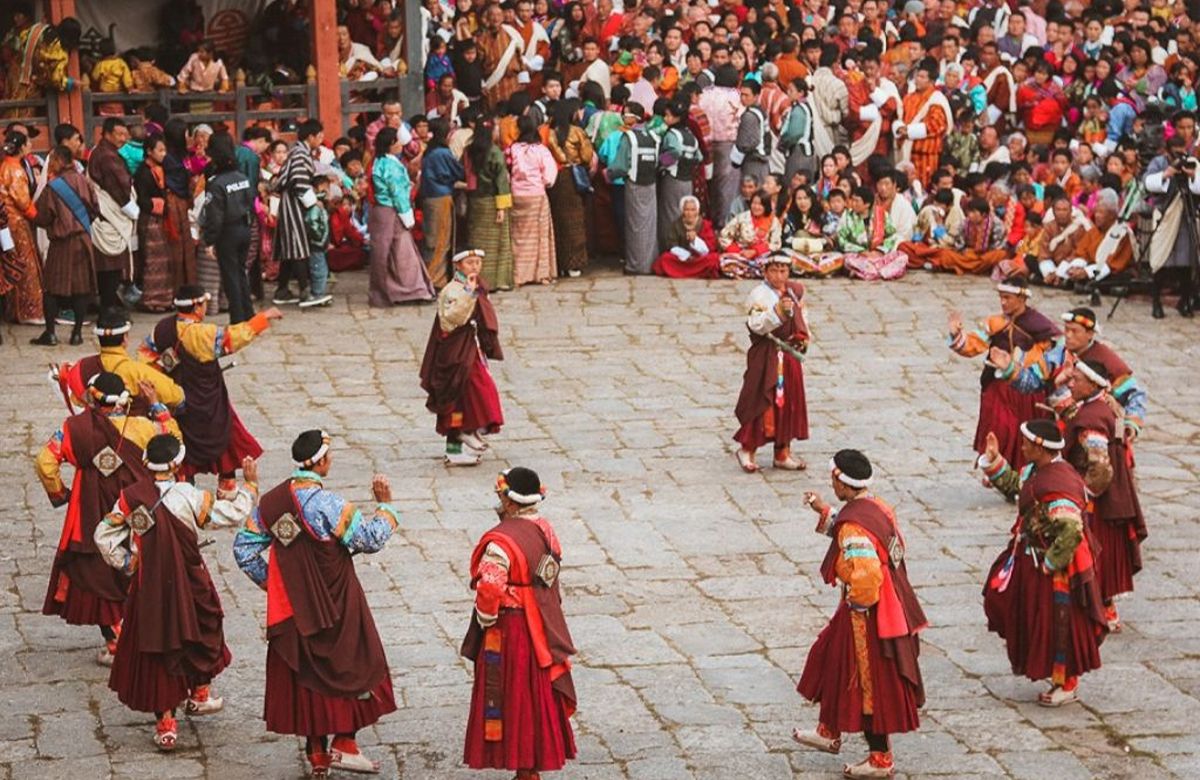
Punakha Dzong | February or March | The drubchen re-enacts a seventeenth-century battle, with local militia in period dress, and is followed by the tshechu proper. Punakha is warm at that time of year, which the rest of the country is not. |
Paro Tshechu
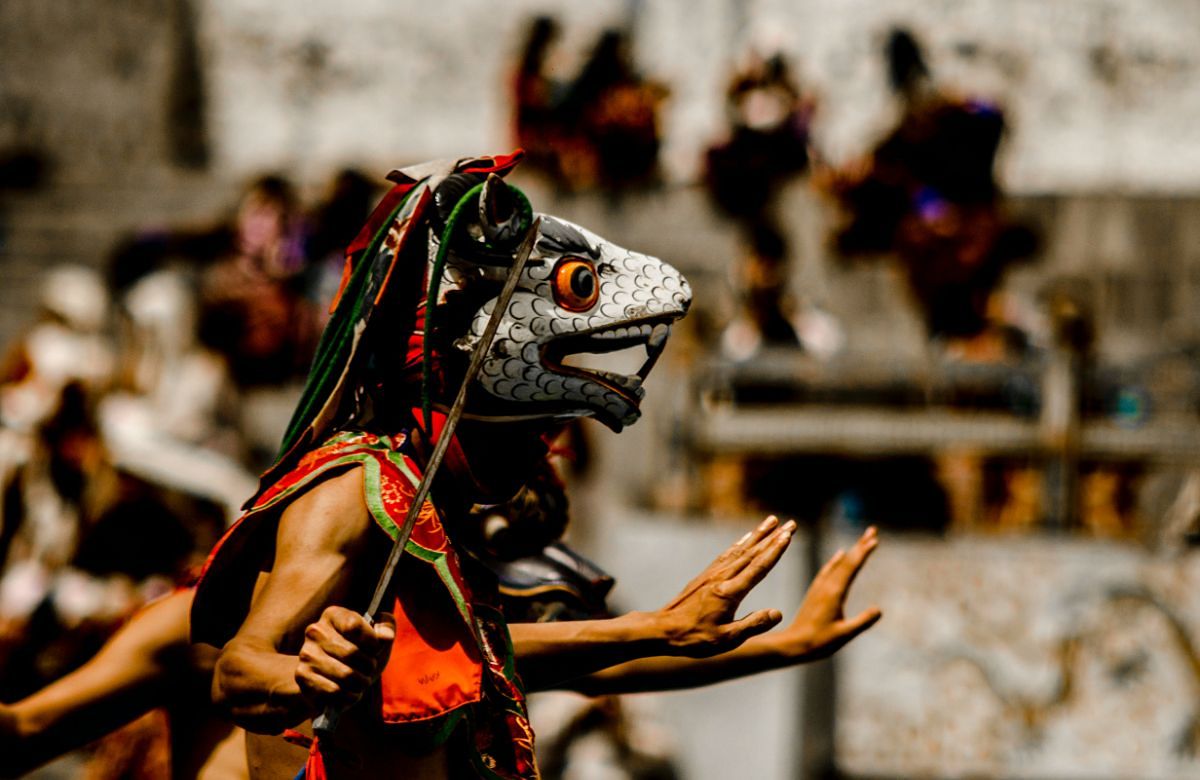
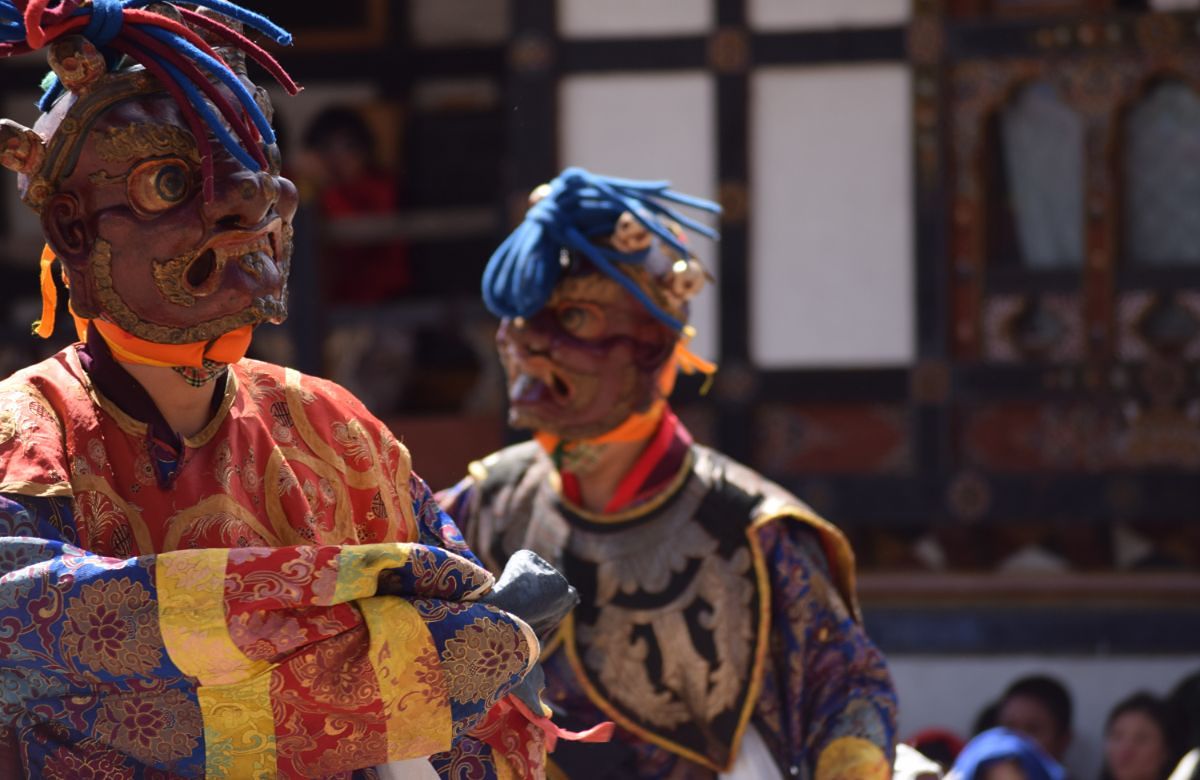
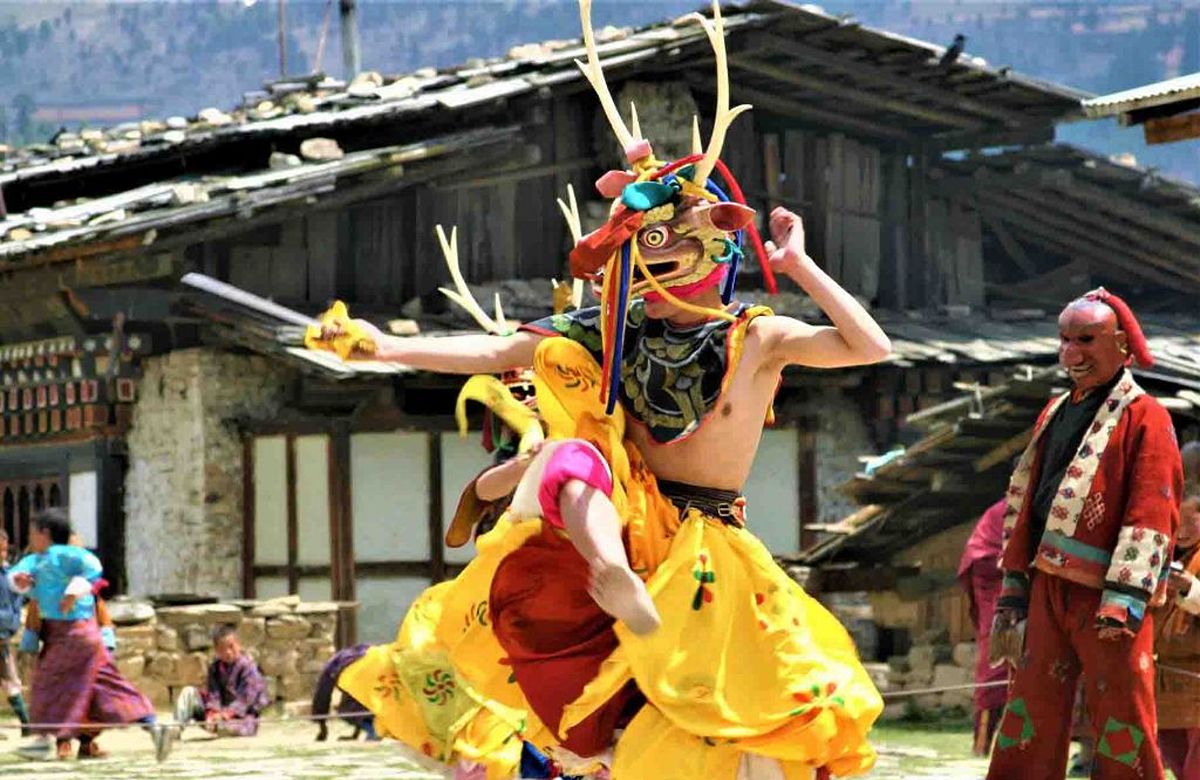
Rinpung Dzong, Paro | March or April | The largest spring festival and one of the two biggest in Bhutan. Five days of cham dances, ending before dawn on the final morning with the unfurling of a giant thongdrel against the dzong wall. |
Ura Yakchoe
Ura valley, Bumthang | April or May | A village festival in the highest of the Bumthang valleys, centred on a sacred image carried in procession. Small, local, and almost entirely unvisited. |
Kurjey Tshechu
Kurjey Lhakhang, Bumthang | June or July | Held at the temple built around Guru Padmasambhava's meditation cave, on the anniversary of his birth. One of the few major festivals in the monsoon months. |
Haa Summer Festival
Haa valley | July | Cultural rather than religious — nomadic life, highland sports, traditional food and dress. A recent addition to the calendar and a good reason to be in Haa. |
Thimphu Tshechu
Tashichho Dzong, Thimphu | September or October | The country's largest festival. Three days in the dzong courtyard drawing people from across western Bhutan, preceded by the Thimphu Drubchen. |
Jambay Lhakhang Drup
Jambay Lhakhang, Bumthang | October or November | Held at one of Bhutan's oldest temples and known for the mewang fire ceremony on the opening night and the tercham, a dance performed in darkness. Photography is not permitted at the night rites. |
Black-Necked Crane Festival
Gangtey Goenpa, Phobjikha | November | Marks the return of the cranes to the valley, with dances performed by local schoolchildren and conservation groups. Usually held on a fixed calendar date rather than by lunar reckoning — confirm the year's date with us. |
Trongsa Tshechu
Trongsa Dzong | December or January | A winter festival in the great central dzong, with a fraction of the visitors of the spring and autumn tshechus. |
Lhuentse Tshechu
Lhuentse Dzong | December or January | Deep in the east, at the ancestral dzong of the royal family. Reached only by the long road north from Mongar. |
 SKY DRAGONEXPEDITIONS
 All ten journeysCultural, trekking, festival, wildlife