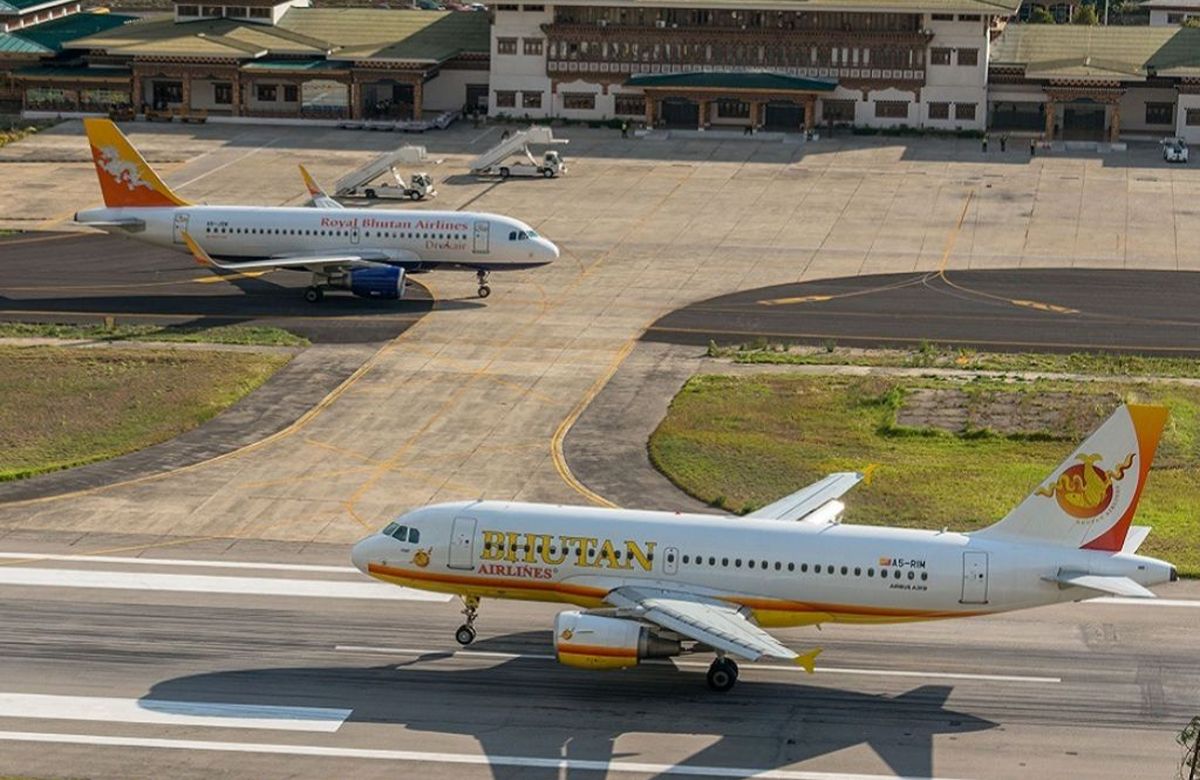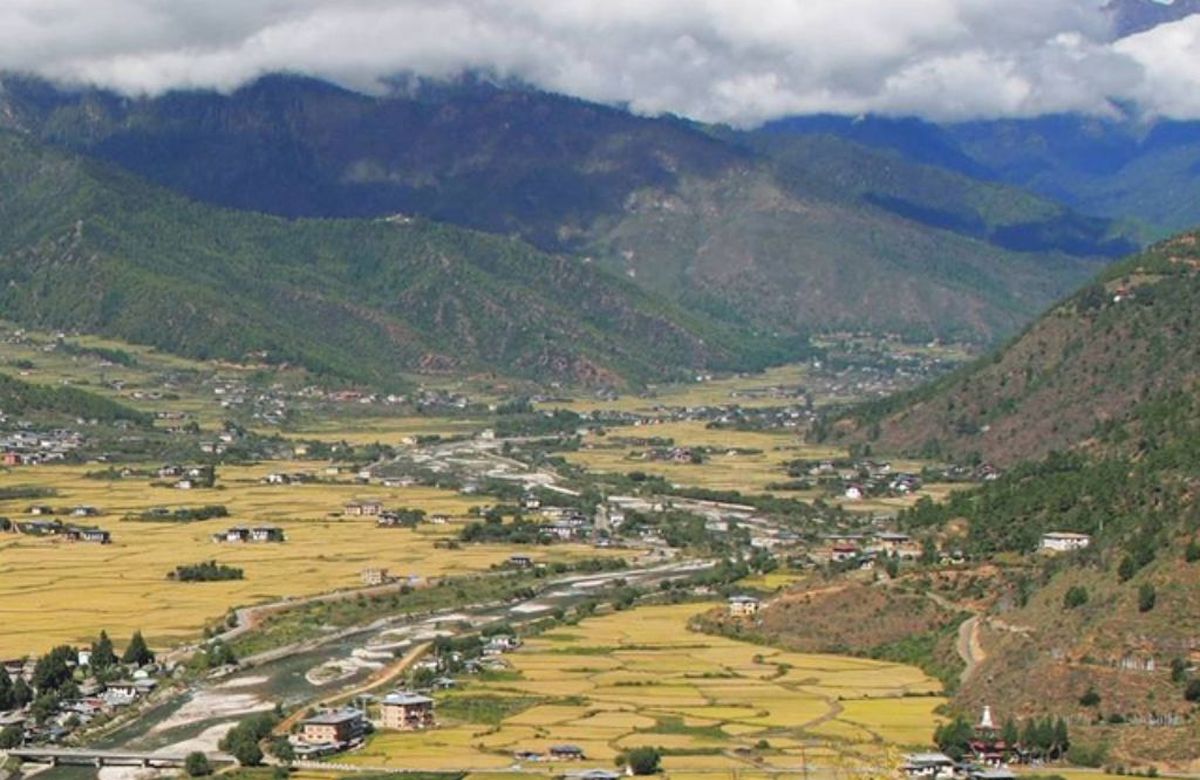
Arrive at Paro
Arrival at Paro and an easy afternoon: Kyichu Lhakhang, whose original hall is attributed to the seventh century, and a walk along the river.
Paro's valley floor is at about 2,235 metres. The first day is for adjusting to it.
All ten journeysCultural, trekking, festival, wildlife
Seven days built around the valley most itineraries drive past — reached over Chele La at 3,988 metres, and worth the climb for the emptiness on the other side.
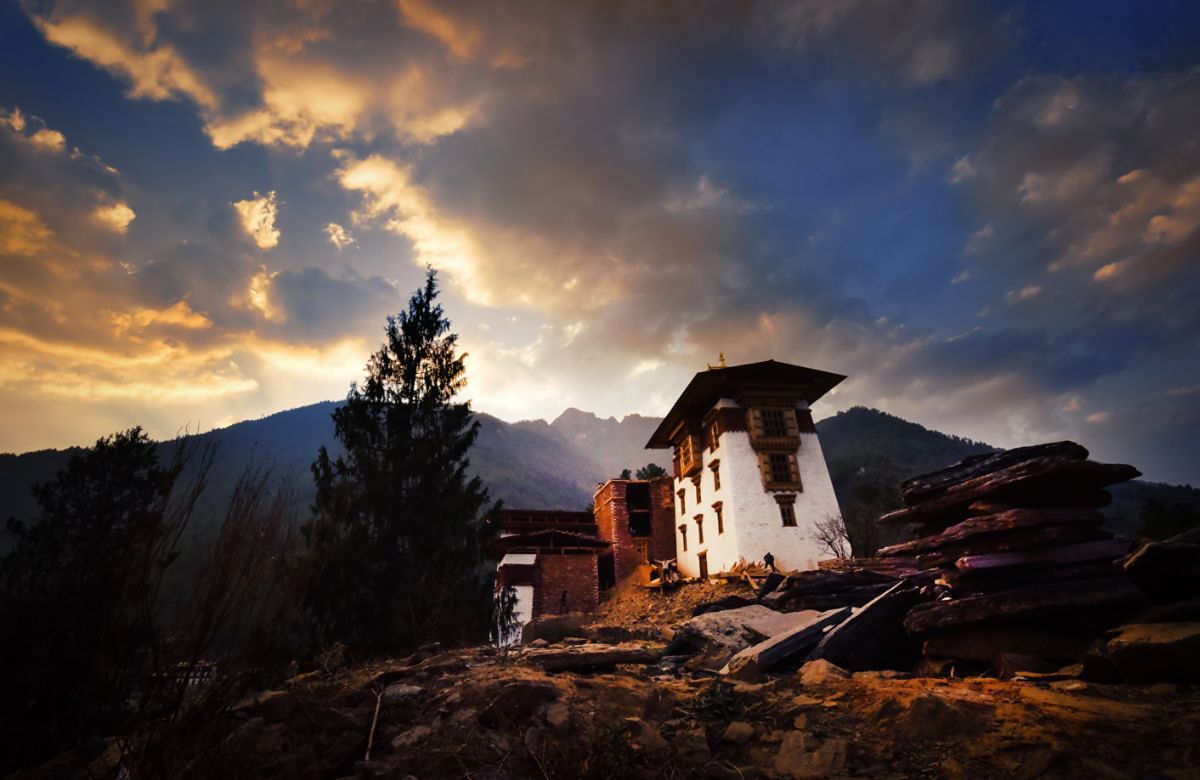
Haa is forty kilometres from Paro and sees a fraction of the visitors. The valley was closed to foreigners until 2002, which is part of why it still feels the way it does: a narrow floor, two old temples, and farmhouses that have not been converted into anything.
The itinerary below is what we would run as written. Every day of it is adjustable — add a night, drop a drive, change a valley. Read when to travel if you are still choosing dates, and entry and fees for what a quotation covers.
Second visits, and first visits for people who would rather see one valley properly than four in passing. There is one demanding day — Taktsang — and otherwise easy walking on farm tracks.
Private departure, any date. We reply with a written itinerary and a full quotation.
Overnight stops in order. Read more about each valley on the valleys page.
Driving times are realistic for Bhutanese mountain roads. Everything here is adjustable.
Arrival at Paro and an easy afternoon: Kyichu Lhakhang, whose original hall is attributed to the seventh century, and a walk along the river.
Paro's valley floor is at about 2,235 metres. The first day is for adjusting to it.
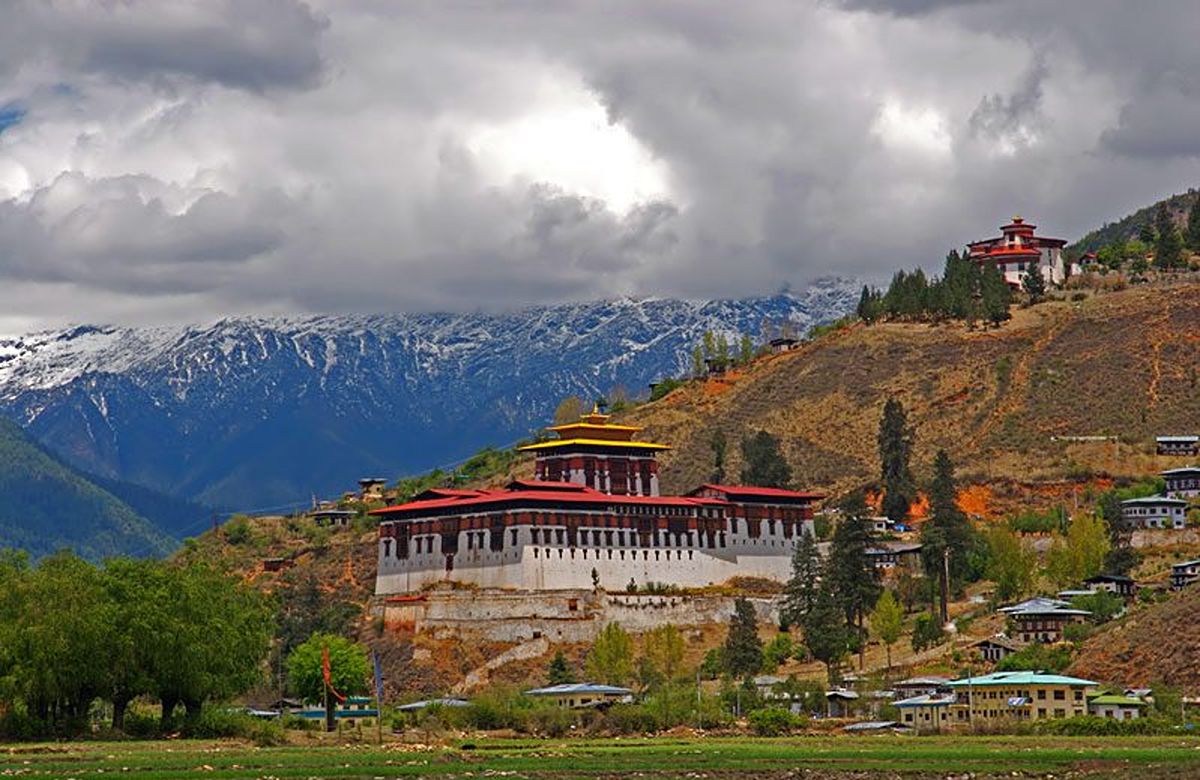
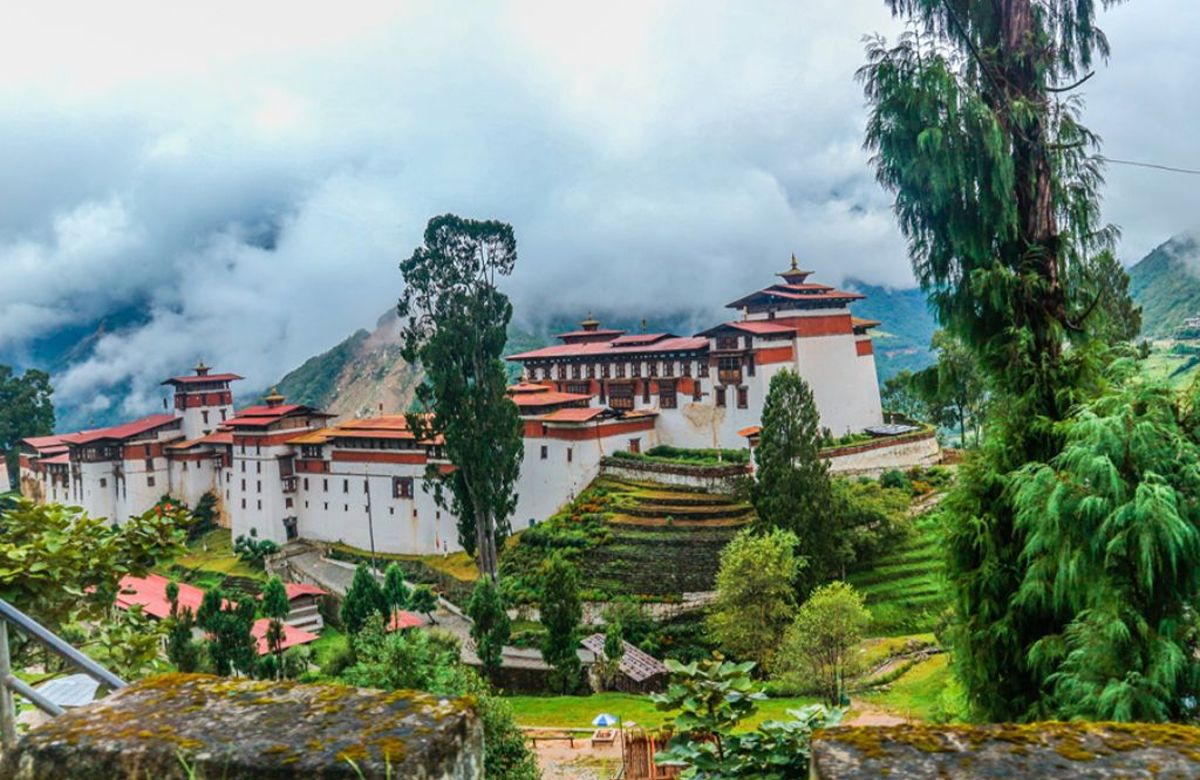
Rinpung Dzong, built in 1644, approached across the traditional cantilever bridge, and the National Museum in the round Ta Dzong watchtower above it.
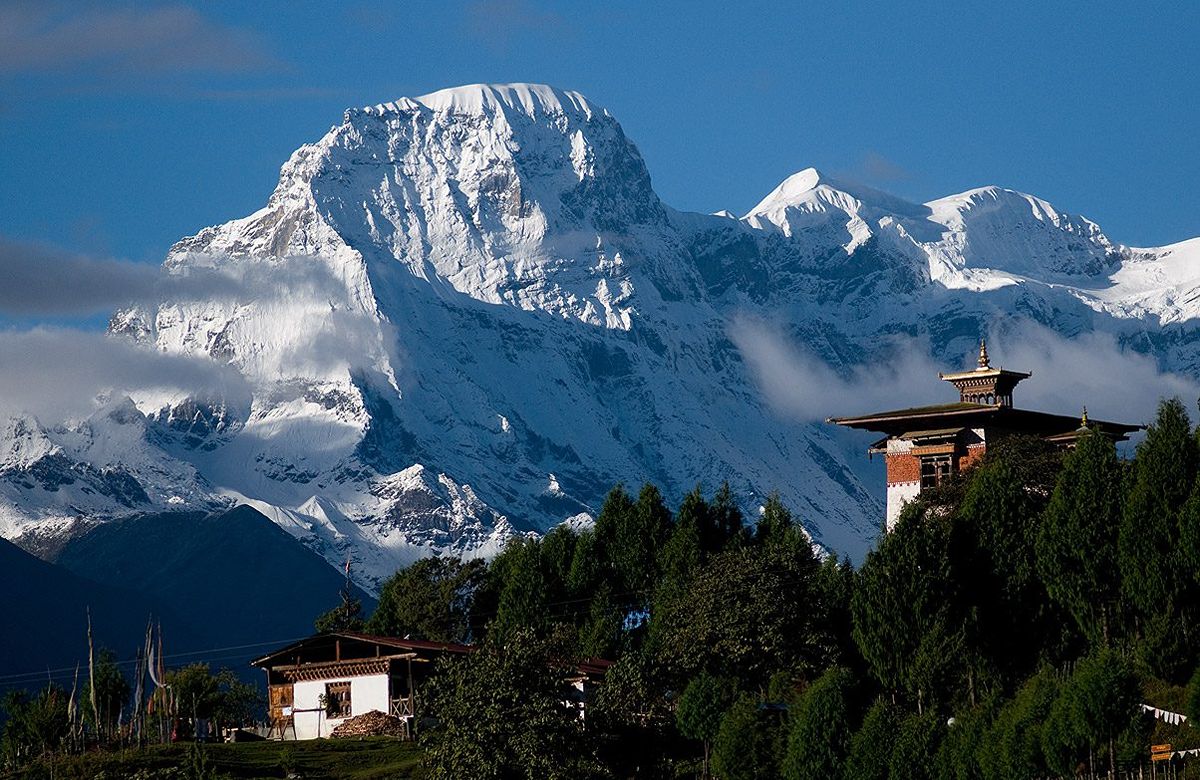
In the afternoon we drive to the head of the valley for Drukgyel Dzong — built in 1649, burned in 1951, under long restoration — with Jomolhari on the skyline behind it in clear weather.
The road climbs through hemlock and rhododendron to Chele La at 3,988 metres, one of the highest motorable passes in Bhutan and the divide between the two valleys. We stop for as long as the weather rewards.
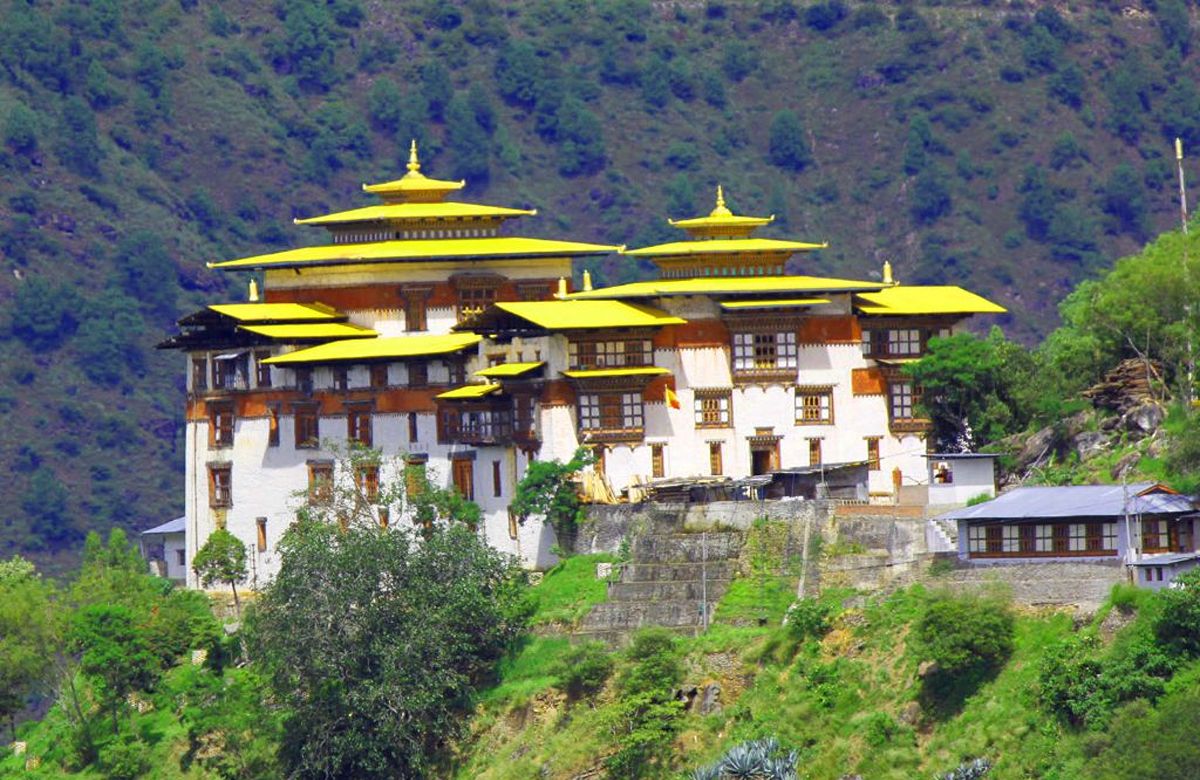
The descent into Haa is short and steep. The valley floor is at about 2,670 metres and narrower than Paro's. In the afternoon, Lhakhang Karpo and Lhakhang Nagpo — the white and black temples — which stand close together at the foot of the hills and are the oldest things in the valley.
A full day with nothing much scheduled, which in Haa is the correct approach. We walk up the valley through buckwheat and barley fields and small clustered hamlets, stopping at whichever farmhouse is willing to make tea.
The valley was closed to foreign visitors until 2002 and still has almost no tourism infrastructure. What it has instead is ordinary life going on, which is increasingly hard to find on the main circuit.
Back over Chele La — the views are often better on a second crossing, because you know where to look — then east to the capital.
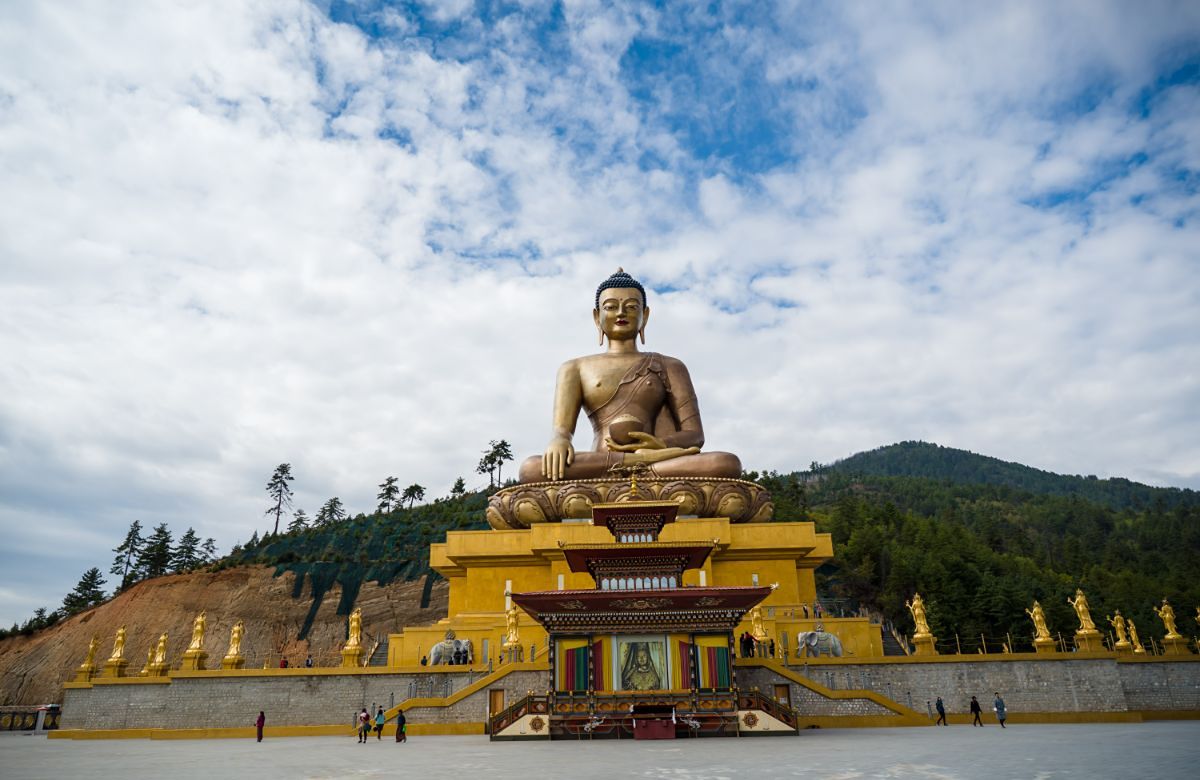
Thimphu in the afternoon: Buddha Dordenma at Kuensel Phodrang, the National Memorial Chorten of 1974, and Tashichho Dzong once the offices close.
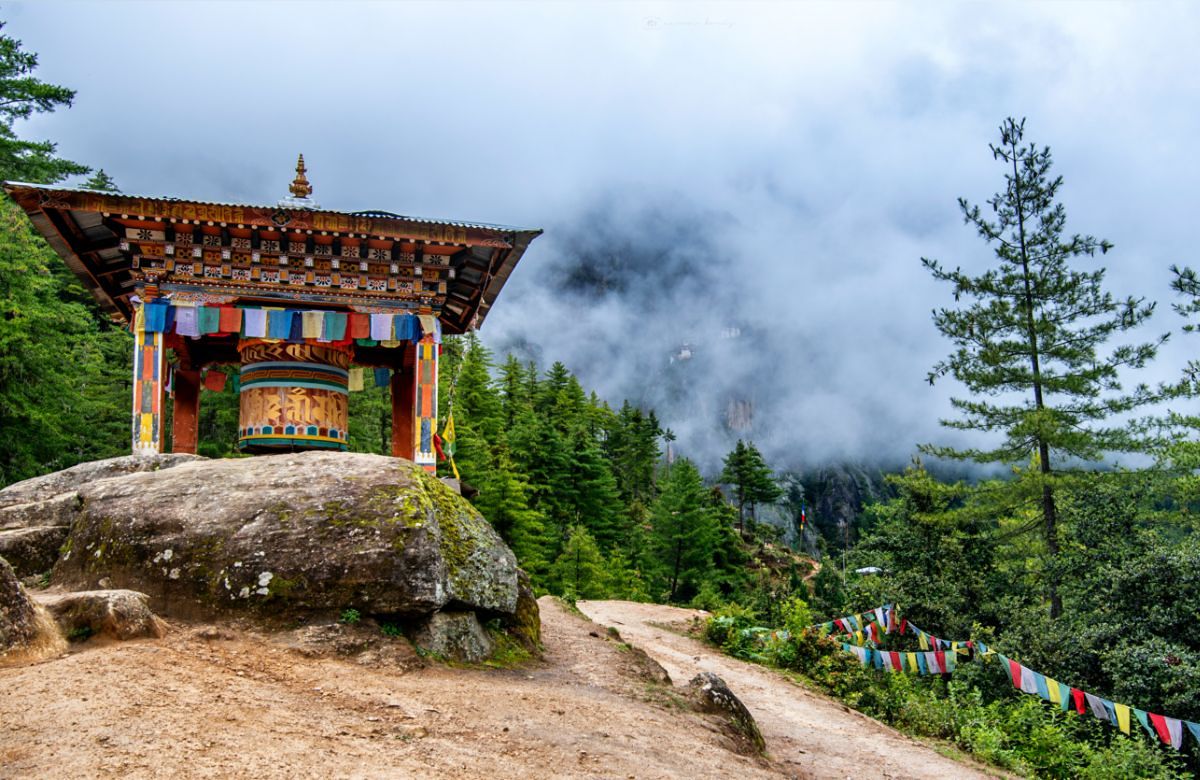
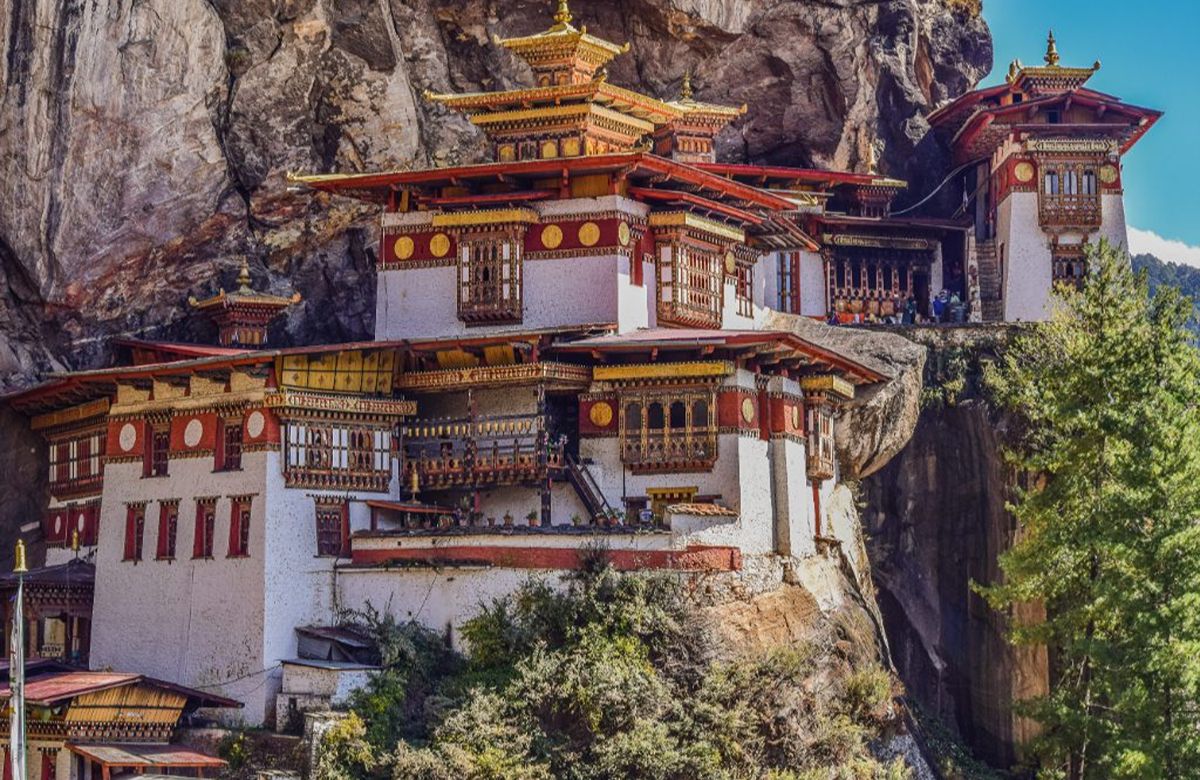
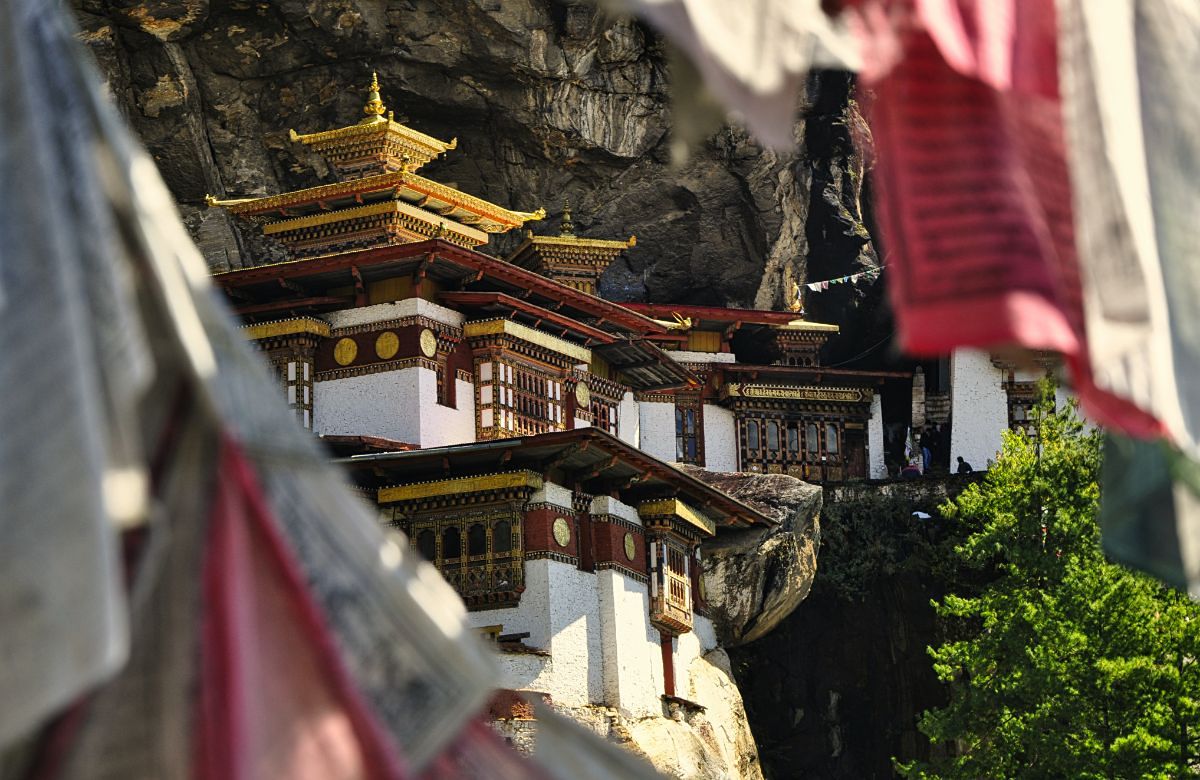
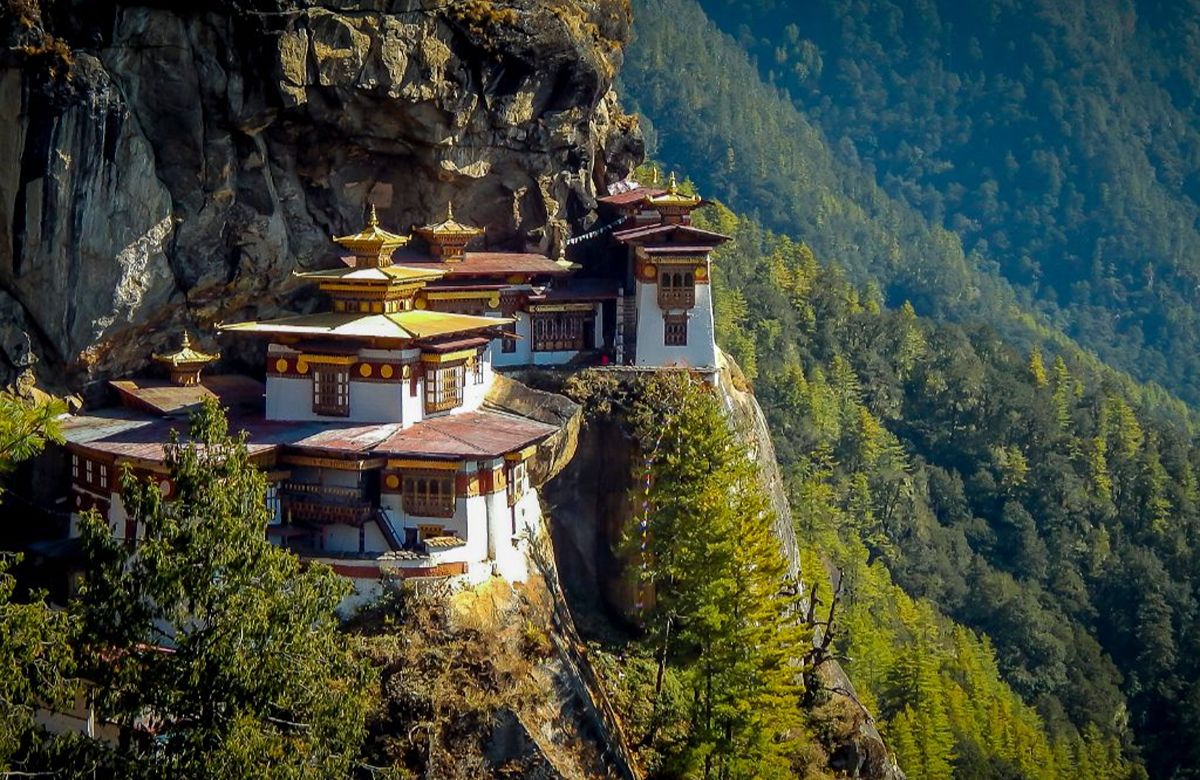
An early drive to Paro and straight to the Taktsang trailhead. The climb gains roughly 900 metres and takes four to five hours return, with the cafeteria at the halfway point and the monastery at around 3,120 metres.
Built in 1692 around the cave where Guru Padmasambhava is said to have meditated, damaged by fire in 1998 and rebuilt. Cameras and bags are left at the entrance.
Transfer to Paro International for your flight home.
Altitude range on this journey is 2,200–3,988 m. Sleeping heights matter more than the passes you drive over — see travel questions on altitude.
One figure covers everything on the left, the Sustainable Development Fee and the visa fee included. There are no compulsory extras added later.
More general questions are answered on travel questions.
We do not publish prices, because a private trip priced honestly depends on your dates, your group and the hotels you want. Tell us those three things and you will have a real figure.
No call centre and no automated quote. A person in our Thimphu office reads what you have written and replies with a plan built around it.
Private departure on any date you choose. We reply with a written itinerary and a full quotation.
Cultural
8 days · 7 nightsParo, Thimphu and Punakha at a pace that leaves room for the Taktsang climb, an afternoon in the Punakha rice terraces and a drive over Chele La.
Cultural
11 days · 10 nightsEast from Punakha over the Pele La to Trongsa, then into the four valleys of Bumthang — the oldest temples in the country and the quietest roads.
Cultural
14 days · 13 nightsThe full length of the country, west to east, over Bhutan's highest road pass into the weaving districts most itineraries never reach.