Sky Dragon Expeditions

Festival journey · Western Bhutan

Courtyard and Mask

Eight days shaped around whichever tshechu falls in your travel window — two days at the festival, and the western valleys around them.

Duration8 days, 7 nightsDates set by the festival
RouteParo · Thimphu · PunakhaTwo days at the tshechu
WalkingEasy to moderateTaktsang climb on one day
Altitude1,250 – 3,120 mHighest point: Taktsang
GroupPrivate departureDates follow the lunar calendar
Overview

About this journey

A tshechu is a religious festival held in a dzong courtyard in honour of Guru Padmasambhava. Masked cham dances are performed over several days by monks and trained laymen, the whole district turns out in its best kira and gho, and ordinary business stops. It is the single best day to be in Bhutan.

The itinerary below is what we would run as written. Every day of it is adjustable — add a night, drop a drive, change a valley. Read when to travel if you are still choosing dates, and entry and fees for what a quotation covers.

Who this suits

Anyone travelling in the festival months who wants the culture rather than the landscape as the centre of the trip. Festival days involve a lot of sitting and standing on stone; the rest of the itinerary is standard western Bhutan.

Enquire about this journey

Private departure, any date. We reply with a written itinerary and a full quotation.

Duration8 days · 7 nights
StyleFestival
RegionParo · Thimphu · Punakha
WalkingEasy to moderate
Altitude1,250–3,120 m
Quotation includesSDF & visa fee
Send Inquiry or call +975 77682156
The route

Where you sleep, and for how long

Paro3 nightsThimphu2 nightsPunakha2 nightsParodepart

Overnight stops in order. Read more about each valley on the valleys page.

Day by day

The itinerary

Driving times are realistic for Bhutanese mountain roads. Everything here is adjustable.

Day01
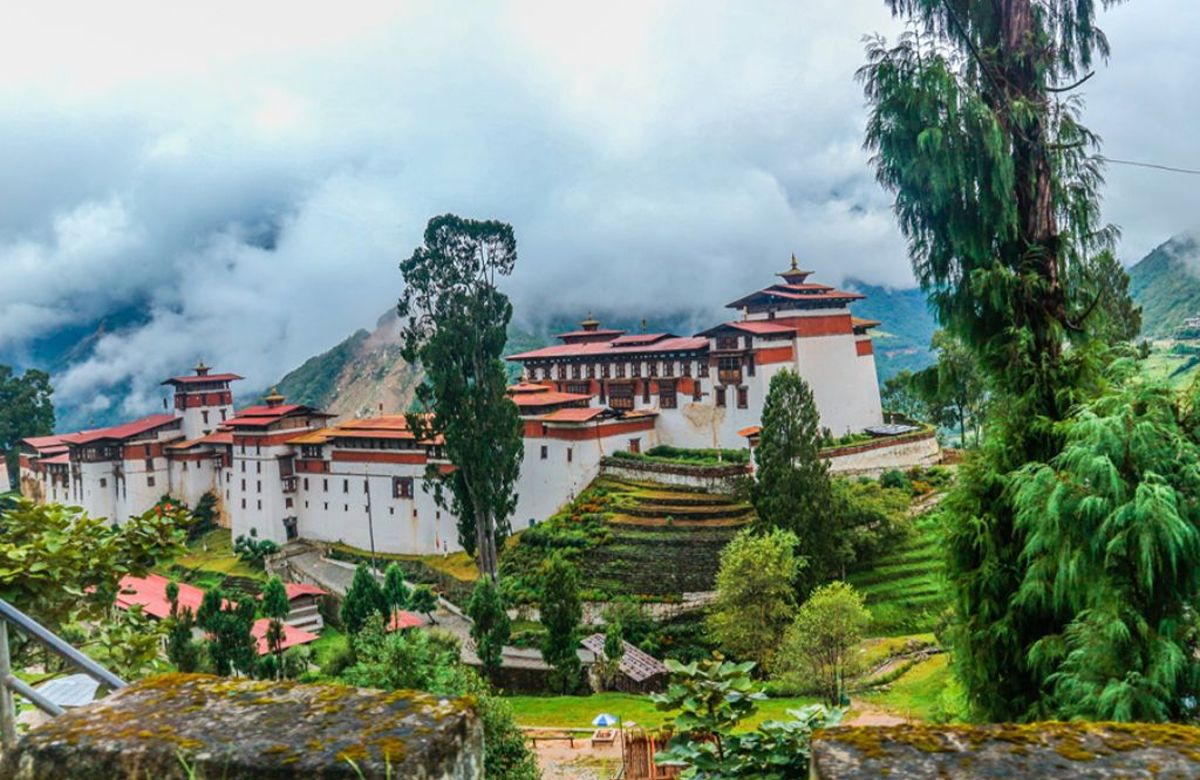
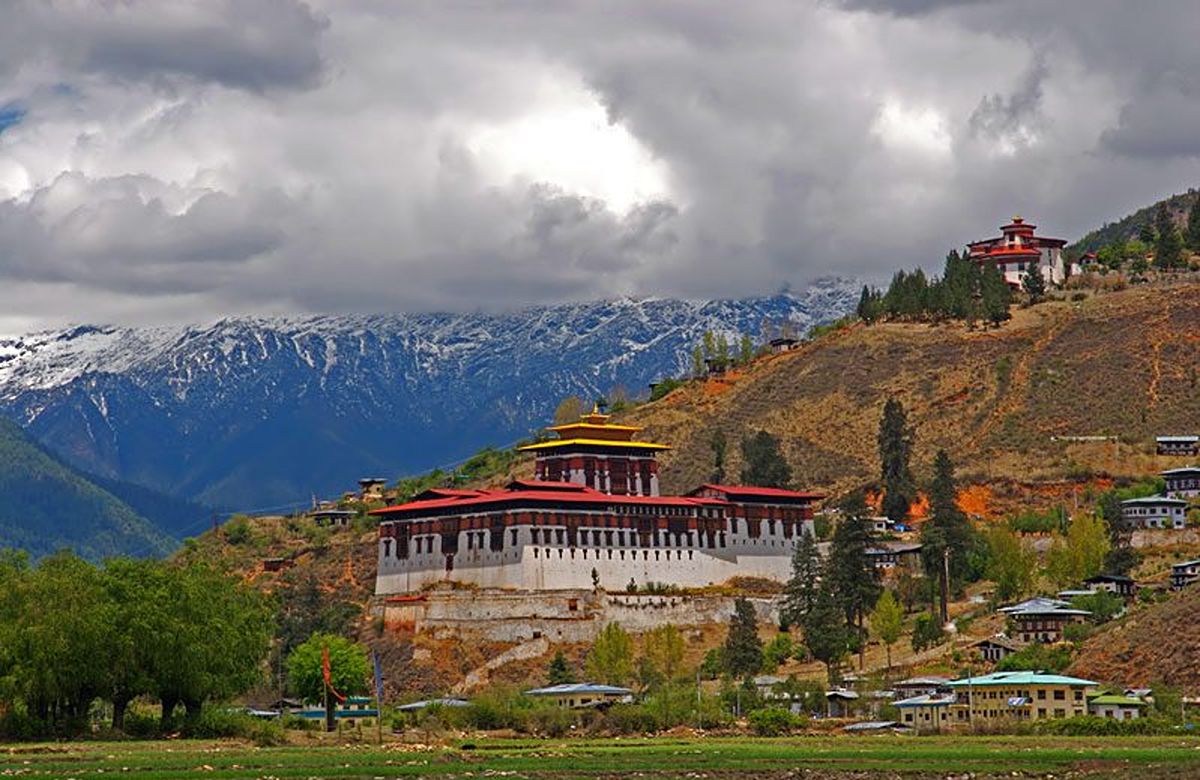
Rinpung Dzong with snow peaks behind

Arrive at Paro

Arrival day Paro

Arrival at Paro and a gentle afternoon. Kyichu Lhakhang, whose original hall is attributed to the seventh century, and a walk along the river.

If the festival is in Paro, the dzong will already be filling with people setting up.

Driving: 15 minutes from the airport Walking: Short walk Overnight: Paro (2,200 m)
Day02
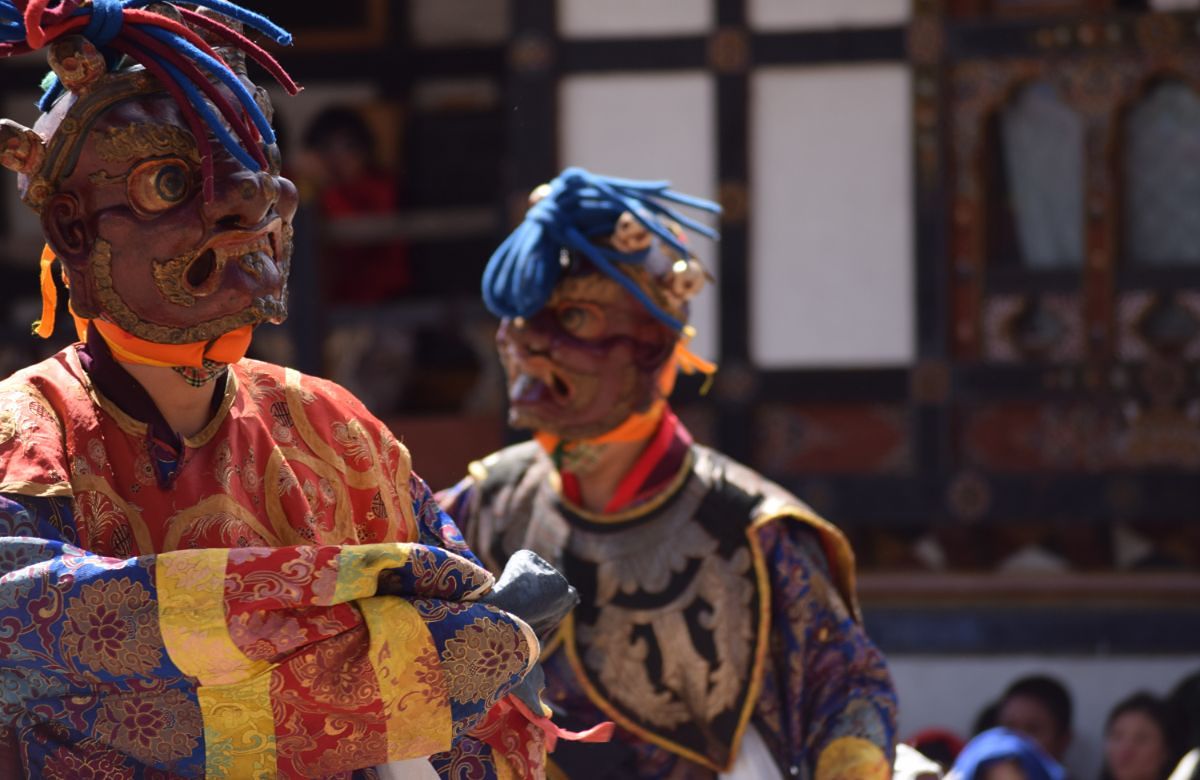
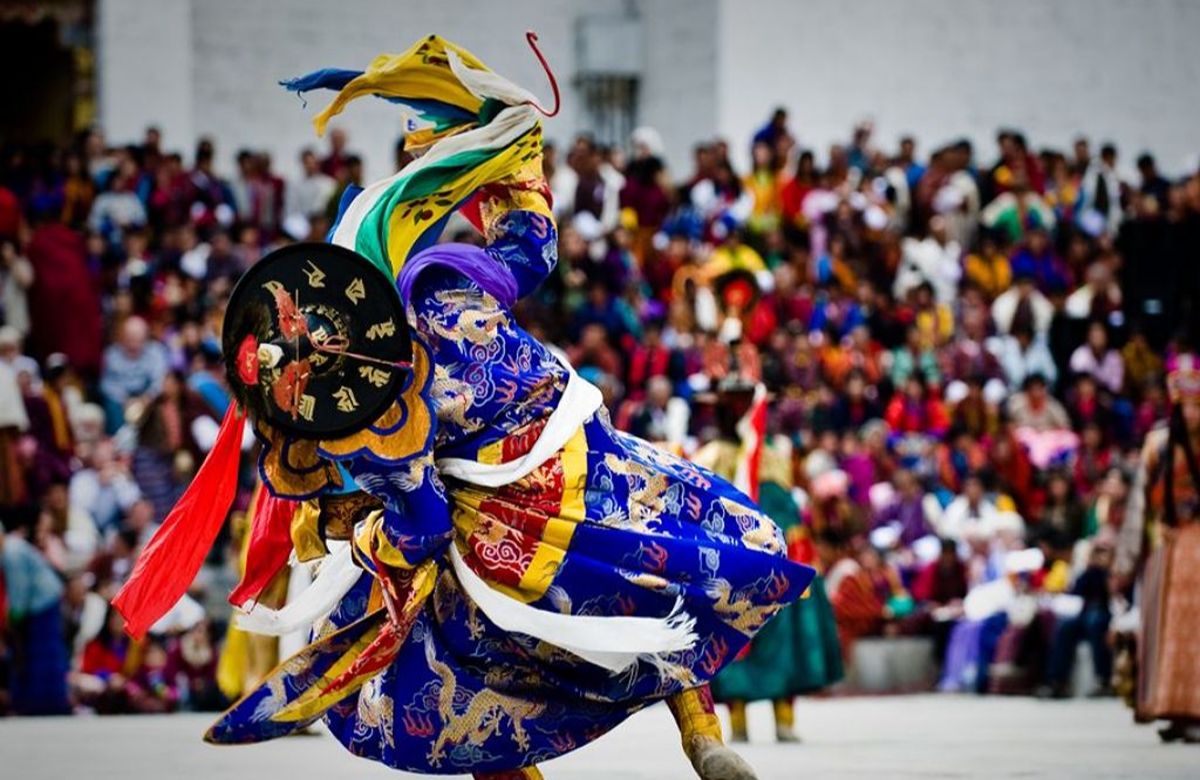
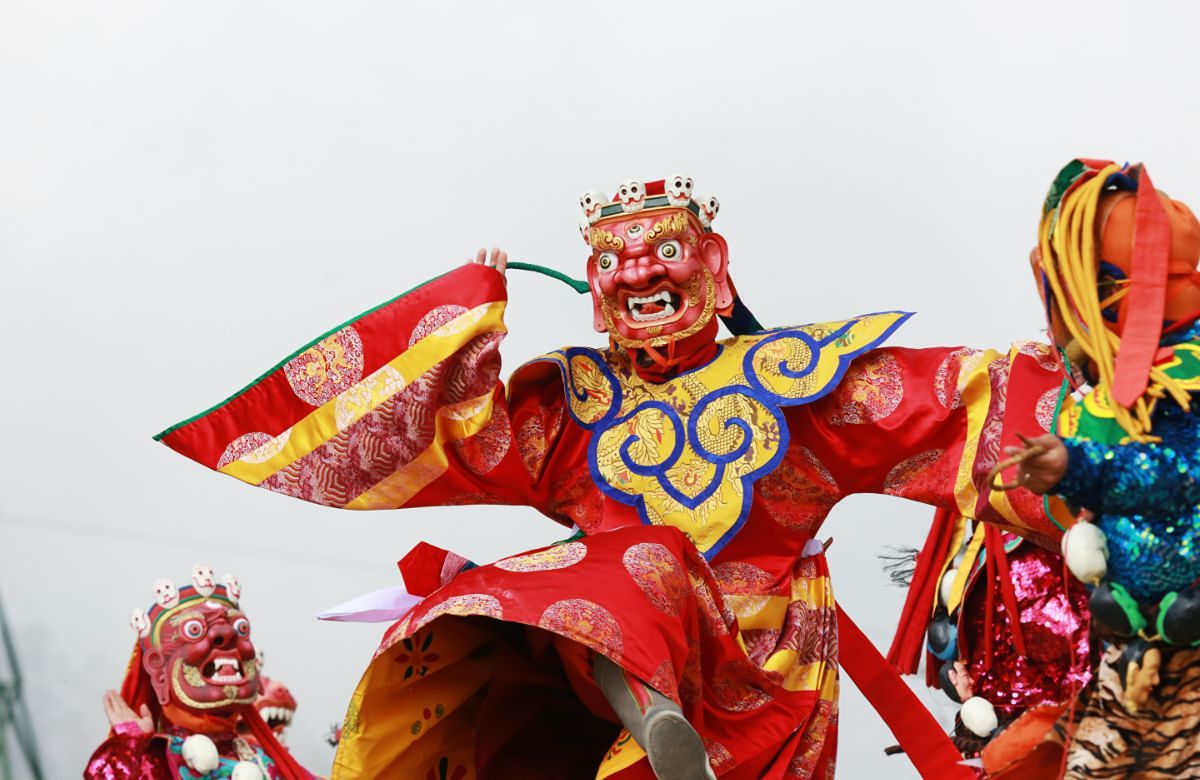
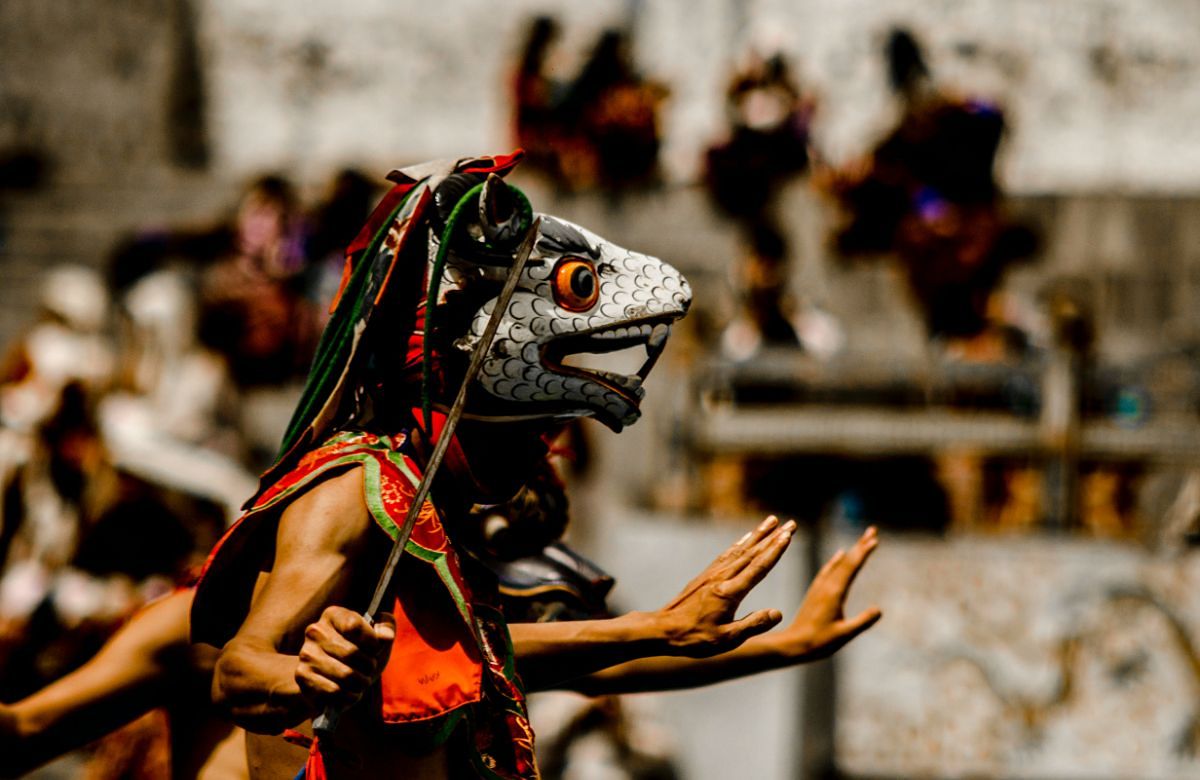
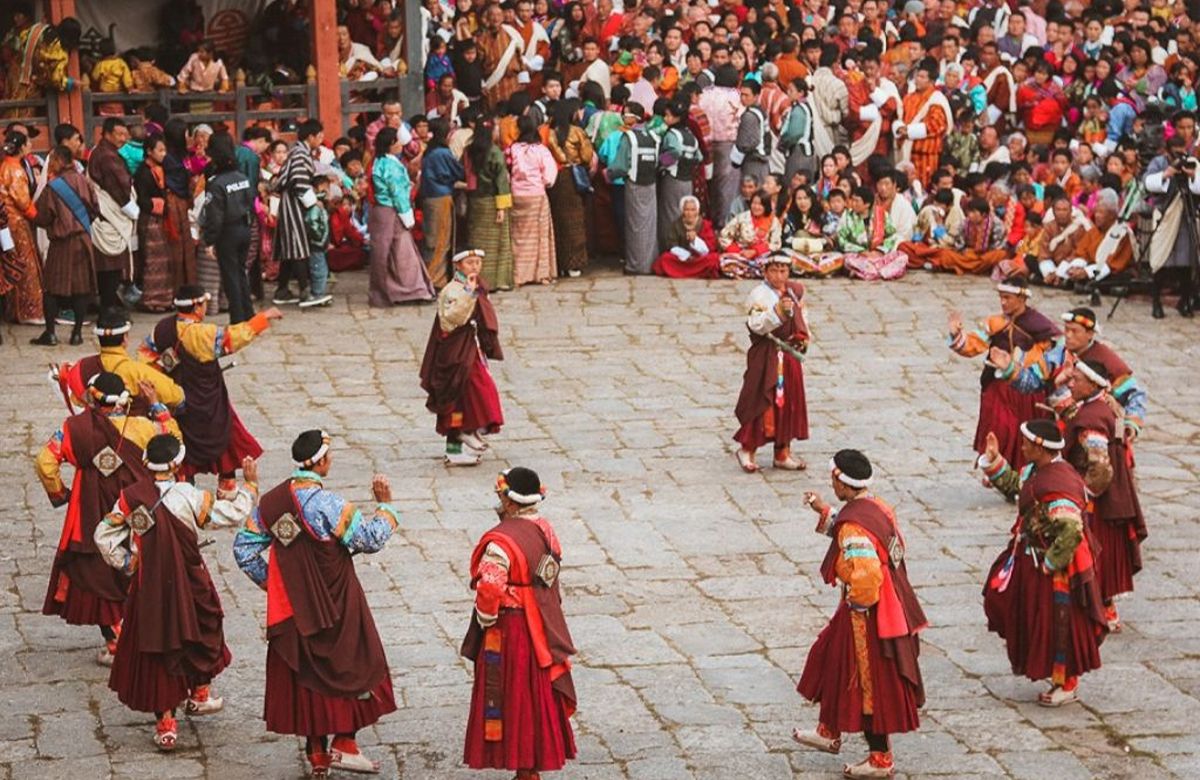
Cham dancers performing in a dzong courtyard

Festival day

Tshechu Cham dances Whole district attends

An early start for the courtyard. The dances run through the day in a fixed sequence, each one a teaching rather than a performance: the Dance of the Black Hats, the Dance of the Lords of the Cremation Grounds, the Judgement of the Dead. Between them the atsaras — masked clowns — work the crowd and puncture the solemnity, which is entirely the point.

The audience matters as much as the dancing. Families arrive with packed lunches and stay all day; children are passed along rows; the best clothes in the house come out of storage for it. Your guide will explain what each dance means as it starts.

Note. Seating is public and unreserved. We arrive early; we cannot reserve you a place.
Driving: Short transfer to the dzong Walking: Standing and sitting, several hours Overnight: Paro (2,200 m)
Day03
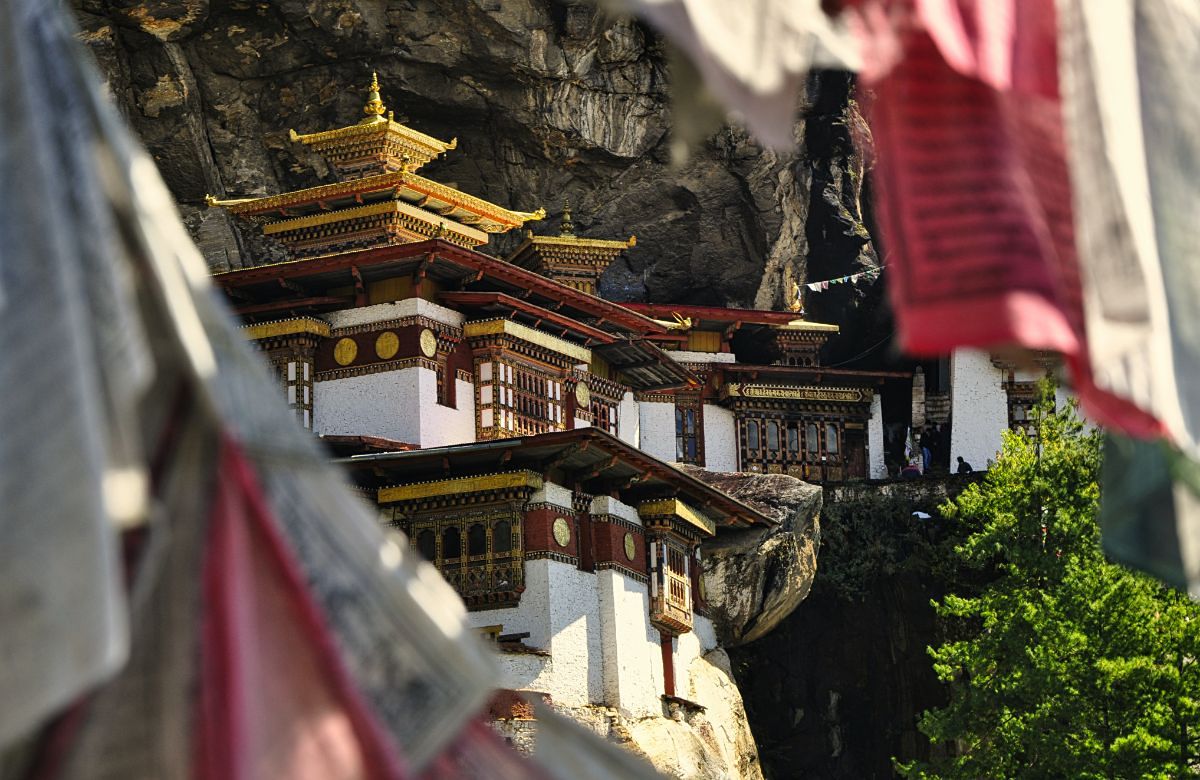
Paro Taktsang seen through prayer flags

The climb to Taktsang

4–5 hours return About 900 m of ascent

A day away from the crowds. The climb to Taktsang gains roughly 900 metres and takes four to five hours return, with the cafeteria at the halfway point and the monastery at around 3,120 metres.

Built in 1692 around Guru Padmasambhava's meditation cave, damaged by fire in 1998 and rebuilt. Cameras and bags are left at the entrance.

Driving: Short transfer to the trailhead Walking: 4–5 hours return, sustained climb Overnight: Paro (2,200 m)
Day04
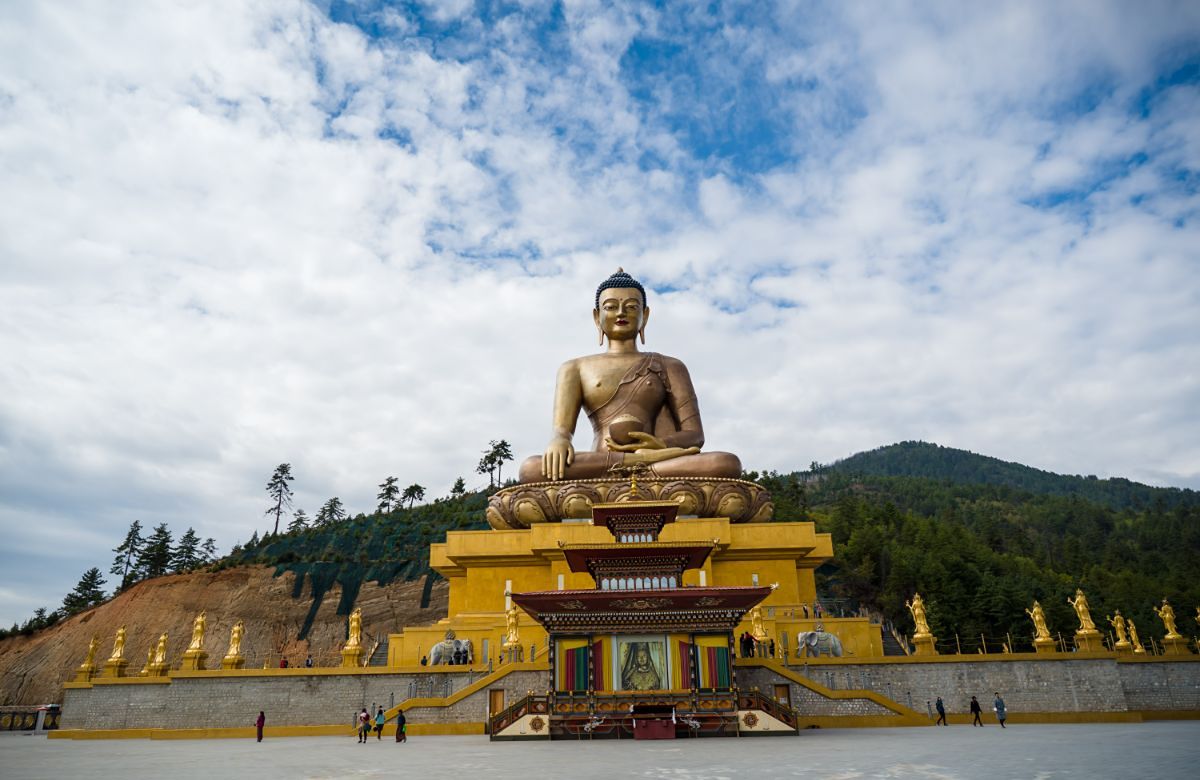
The Buddha Dordenma above the Thimphu valley

Paro to Thimphu

55 km · 1½ hours Tashichho Dzong

The short drive to the capital, then Buddha Dordenma at Kuensel Phodrang, the National Memorial Chorten of 1974 and the takin preserve at Motithang.

Tashichho Dzong in the late afternoon. If the festival falls in Thimphu rather than Paro, this is where you will spend tomorrow.

Driving: 55 km, about 1½ hours Walking: 2–3 km Overnight: Thimphu (2,320 m)
Day05
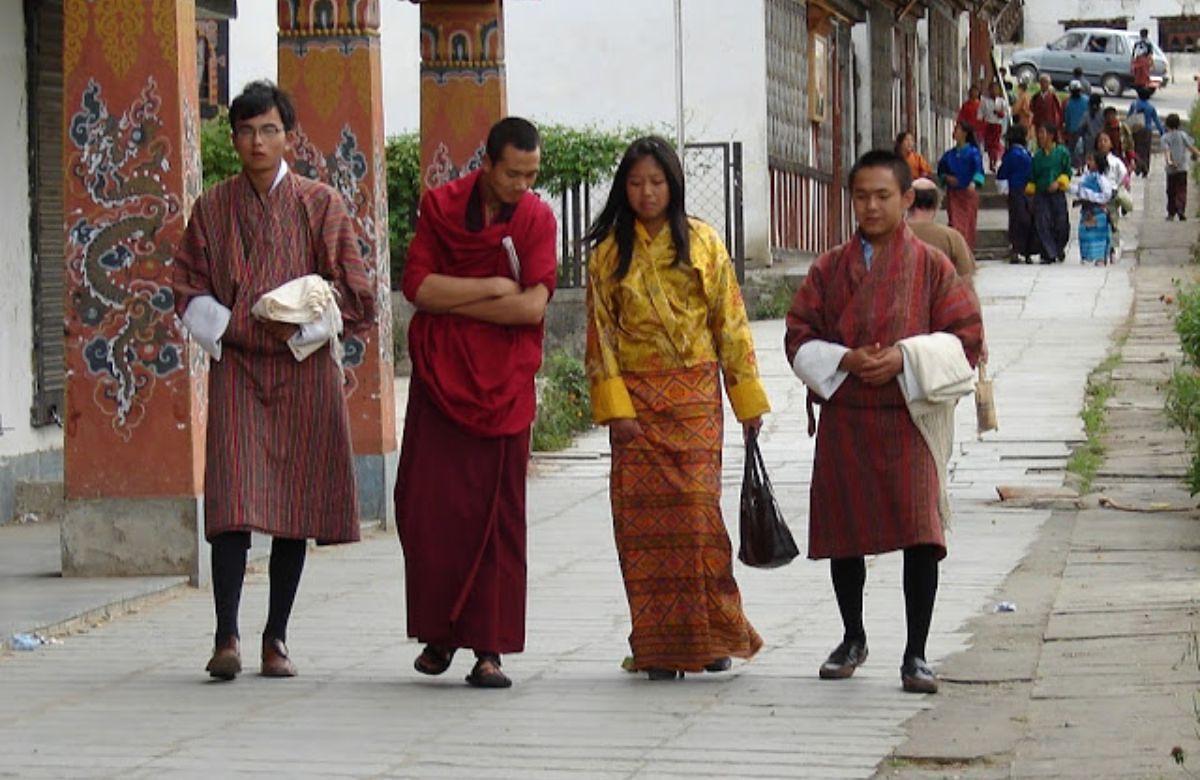
Bhutanese national dress, the gho and the kira

Thimphu — crafts, textiles and the arts

Textile Museum Zorig Chusum

The National Textile Museum is the best place in the country to understand what you have been looking at in the courtyard — the weaves, the fibres, the difference between everyday and ceremonial dress, and why a single kishuthara kira can take a year to make.

Then the Zorig Chusum institute, where students learn the thirteen traditional arts: painting, sculpture, wood carving, embroidery, and the making of the masks worn at the tshechu you have just watched.

Driving: In and around Thimphu Walking: 2–3 km, level Overnight: Thimphu (2,320 m)
Day06
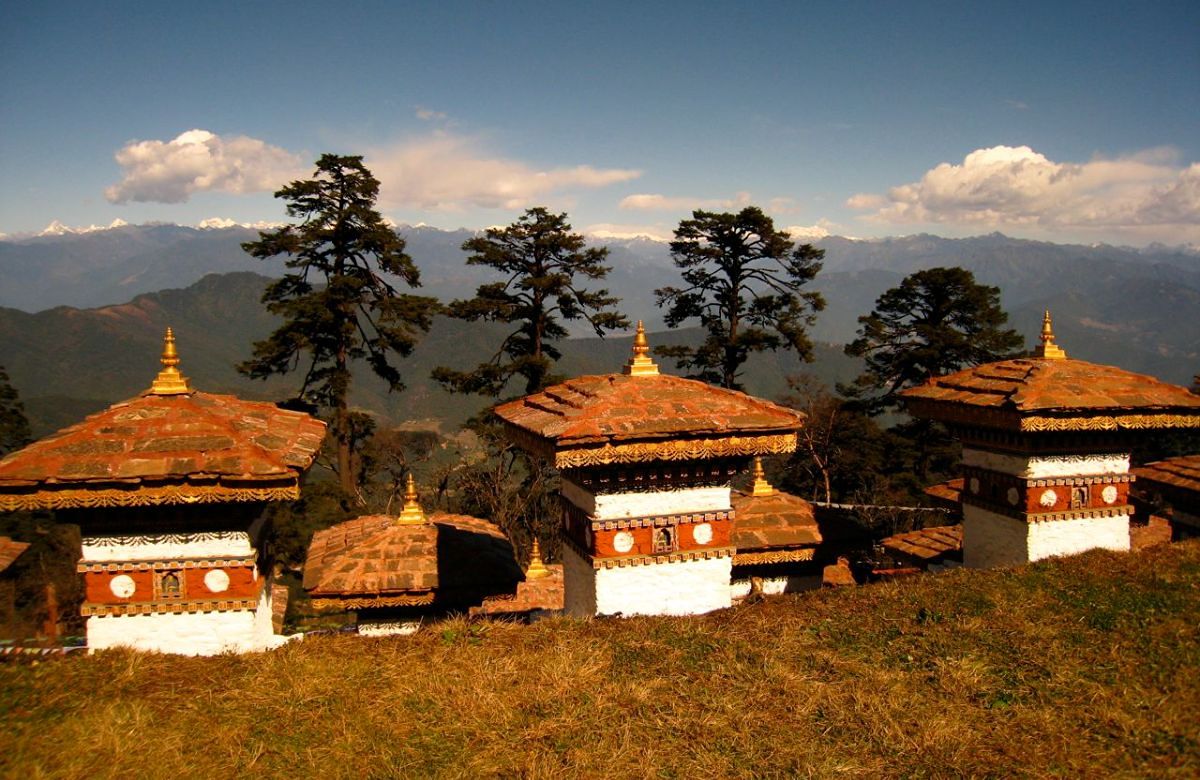
The chortens at Dochu La at sunset

Over Dochu La to Punakha

Dochu La · 3,100 m Chimi Lhakhang

Dochu La at about 3,100 metres, with its 108 chortens, then the long descent into the warm Punakha valley.

The twenty-five minute walk through the rice terraces to Chimi Lhakhang, built in 1499 and associated with Drukpa Kunley — whose iconography, once you have seen the atsaras at the festival, makes rather more sense.

Driving: 72 km, about 3 hours Walking: About 50 minutes on a farm track Overnight: Punakha (1,250 m)
Day07
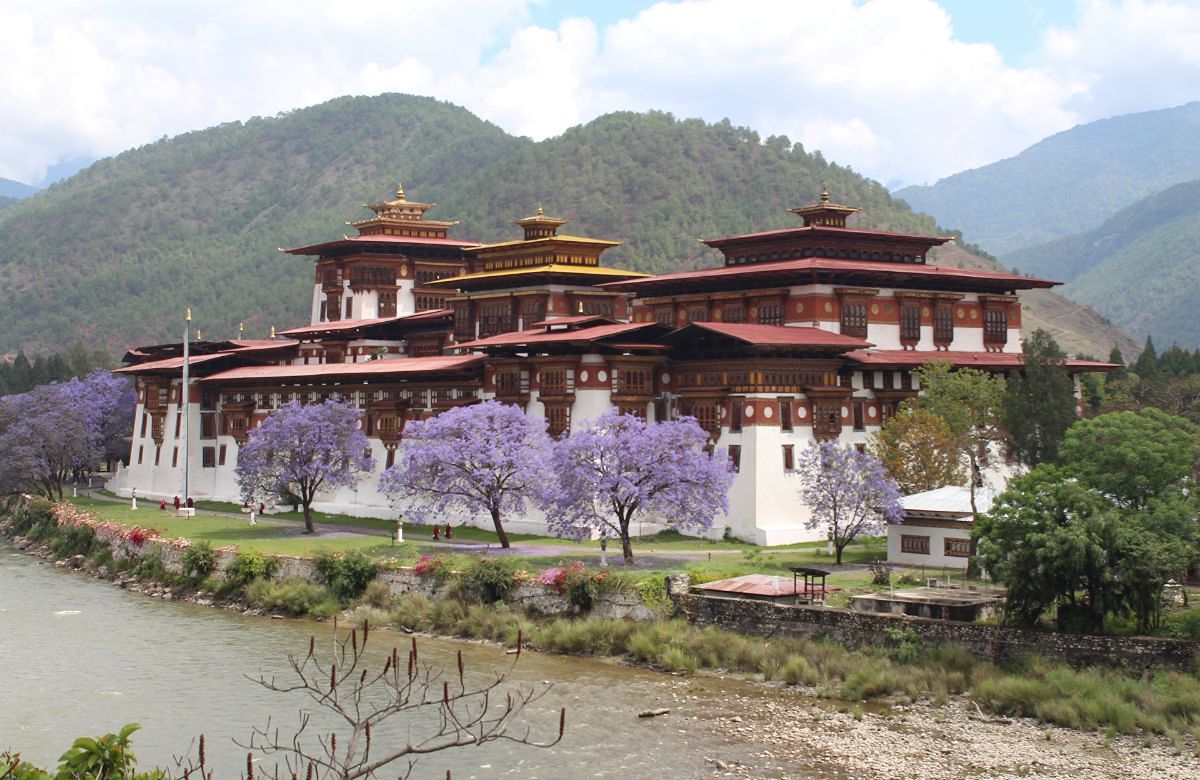
Punakha Dzong with jacaranda in flower

Punakha Dzong

Punakha Dzong Khamsum Yulley walk

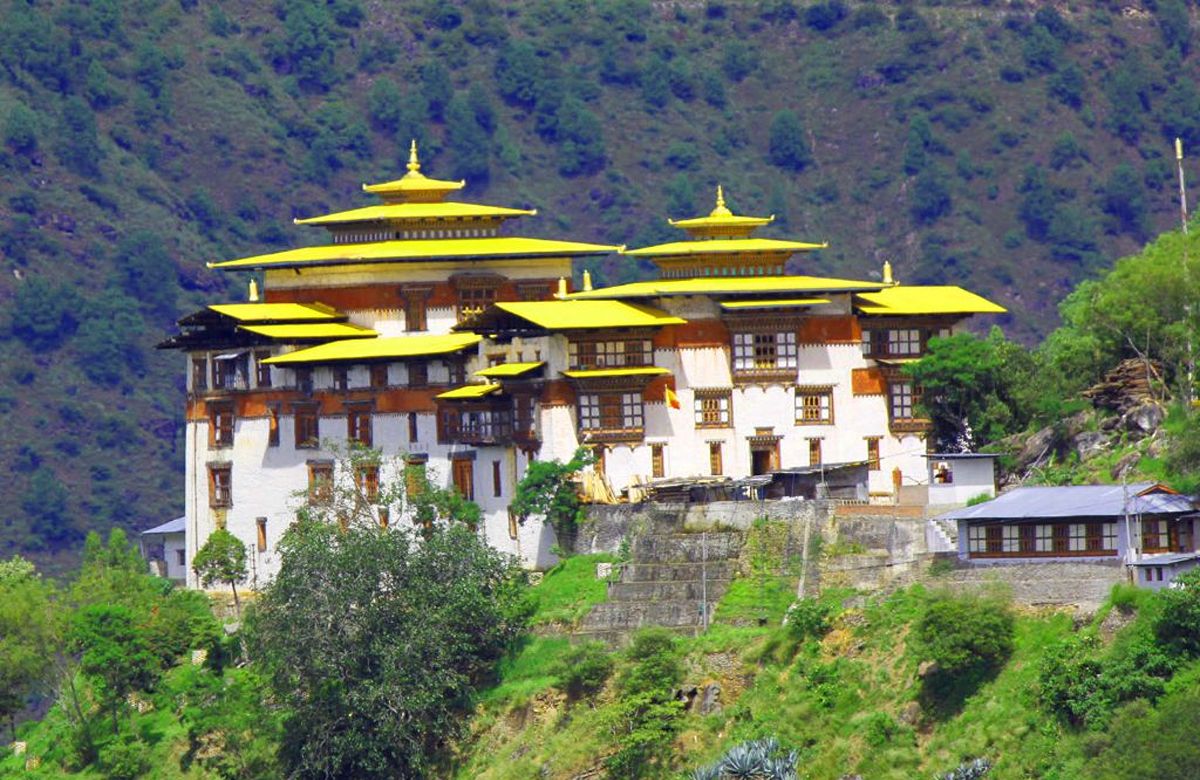
Punakha Dzong, built in 1637–38 at the confluence of the Pho Chhu and Mo Chhu, is where the Punakha Drubchen and Tshechu are held each late winter — a re-enactment of a seventeenth-century battle followed by the festival proper.

In the afternoon, the walk up to Khamsum Yulley Namgyal Chorten, about forty-five minutes through the terraces.

Driving: Short local drives Walking: About 1½ hours Overnight: Punakha (1,250 m)
Day08
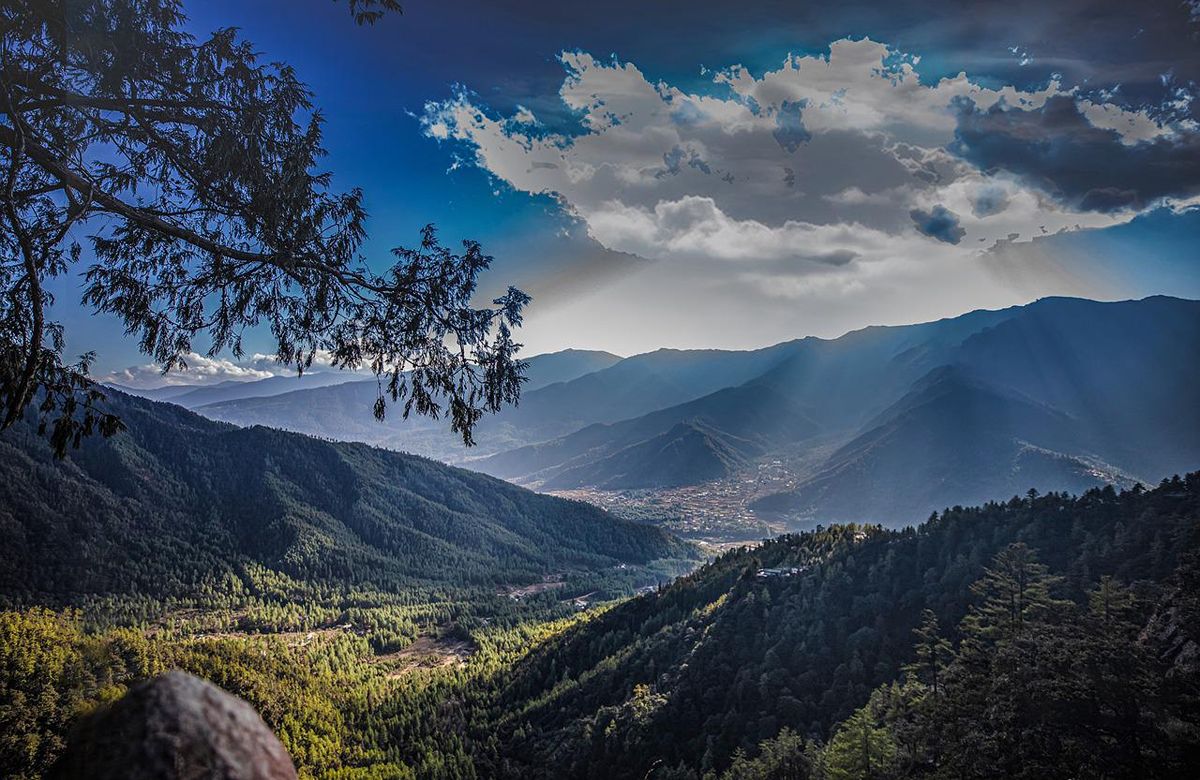
Forested ridges above a Bhutanese valley

Return to Paro and departure

125 km · 4½ hours Departure

The drive back over Dochu La to Paro for your flight. If your departure is late in the day this is comfortable; if it is early we move you to Paro the previous evening — tell us your flight and we will build the day around it.

Driving: 125 km, about 4½ hours
Altitude

What the route does to your elevation

Altitude range on this journey is 1,250–3,120 m. Sleeping heights matter more than the passes you drive over — see travel questions on altitude.

1,000 m2,000 m3,000 m4,000 m Paro2,235 mTaktsang3,120 mParo2,235 mThimphu2,320 mDochu La3,100 mPunakha1,250 mParo2,235 mDAY 1DAY 2DAY 3DAY 4DAY 5DAY 6DAY 7DAY 8
The quotation

What is included, and what is not

One figure covers everything on the left, the Sustainable Development Fee and the visa fee included. There are no compulsory extras added later.

Included in the quotation

  • All accommodation in Bhutan on a twin-sharing basis
  • All meals through the itinerary — breakfast, lunch and dinner
  • A licensed English-speaking Bhutanese guide throughout
  • Private vehicle and driver for the full itinerary
  • The Sustainable Development Fee for every night of the trip
  • Bhutan visa processing and the US$40 government visa fee
  • All monument, museum and dzong entry fees on the itinerary
  • Bottled water in the vehicle each day
  • A local SIM card on arrival

Not included

  • International flights to and from Paro
  • Travel insurance — strongly recommended, and your own arrangement
  • Single-room supplement, if you would prefer not to share
  • Drinks other than those served with meals
  • Laundry, telephone calls and other personal spending
  • Tips for your guide and driver, which are at your discretion

Important notes

  • Driving times are realistic estimates for Bhutanese mountain roads and assume normal conditions. Roadworks and weather can add to them, particularly during the monsoon.
  • Specific hotels are subject to availability and are confirmed at the time of booking.
  • Mountain views cannot be guaranteed. They depend entirely on the weather on the day.
  • The Sustainable Development Fee is set by the Royal Government of Bhutan and is included in every quotation we send.
  • Festival dates follow the Bhutanese lunar calendar, move against the Gregorian calendar each year, and are confirmed annually by the Department of Tourism. We reconfirm them before any arrangement is made final.
  • Courtyard seating at a tshechu is public and unreserved. We will get you there early and your guide will find you a good position, but no operator can reserve a place.
  • Hotels in the festival valleys fill months ahead. Paro and Thimphu in particular should be booked as early as you can.
  • Photography is generally welcome in the courtyard and generally not permitted inside temples. Your guide will tell you where the line falls.
Questions

Before you enquire

Which festival will we see?
Whichever falls in your dates. The largest are Paro Tshechu in spring and Thimphu Tshechu in autumn; Punakha Drubchen and Tshechu fall in late winter, and there are smaller and often more affecting festivals in Bumthang, Gasa, Haa and the east. Tell us roughly when you can travel and we will tell you what is on and build the trip around it.
How early do we need to arrive at the courtyard?
Early. For the big Paro and Thimphu tshechus that means being at the dzong not long after dawn if you want to be near the front, and the crowd is dense by mid-morning. Your guide will tell you what time to be ready and it will be earlier than you would like.
What should I wear?
Cover your shoulders and knees, and dress as if you were attending a service, because you are. Long trousers or a long skirt and a shirt with sleeves is right. Hats come off, and shoes come off inside temples. Many visitors buy a kira or gho and wear it — this is welcomed rather than resented, if it is worn properly, and your guide will help.
Is the thongdrel worth getting up for?
At the festivals that have one, yes. A thongdrel is a very large appliqué thangka unfurled against the dzong wall before dawn on the final morning and rolled away before the sun touches it. It is usually the quietest and most affecting part of the whole festival, and it happens at around four in the morning.
Do I have to book through a tour operator to get a visa?
No. Travellers may apply directly through Bhutan's official online system, or have a tour operator or hotel apply on their behalf. The visa fee is US$40 per person, one-off and non-refundable. If you book this journey with us we handle the application as part of the arrangements.
What are the hotels like?
We book comfortable, well-run hotels chosen for location and service rather than for a star rating. If you would prefer a particular property, or a higher grade of hotel, tell us in your enquiry and we will quote it. Specific hotels are confirmed at the time of booking and are subject to availability.
Can the itinerary be changed?
Yes. Every departure is private, so the route, the pace and the number of nights in each place are all adjustable. Tell us roughly what you want and we will send a revised plan with the quotation.

More general questions are answered on travel questions.

Courtyard and Mask

Send Inquiry & Get a Quotation

We do not publish prices, because a private trip priced honestly depends on your dates, your group and the hotels you want. Tell us those three things and you will have a real figure.

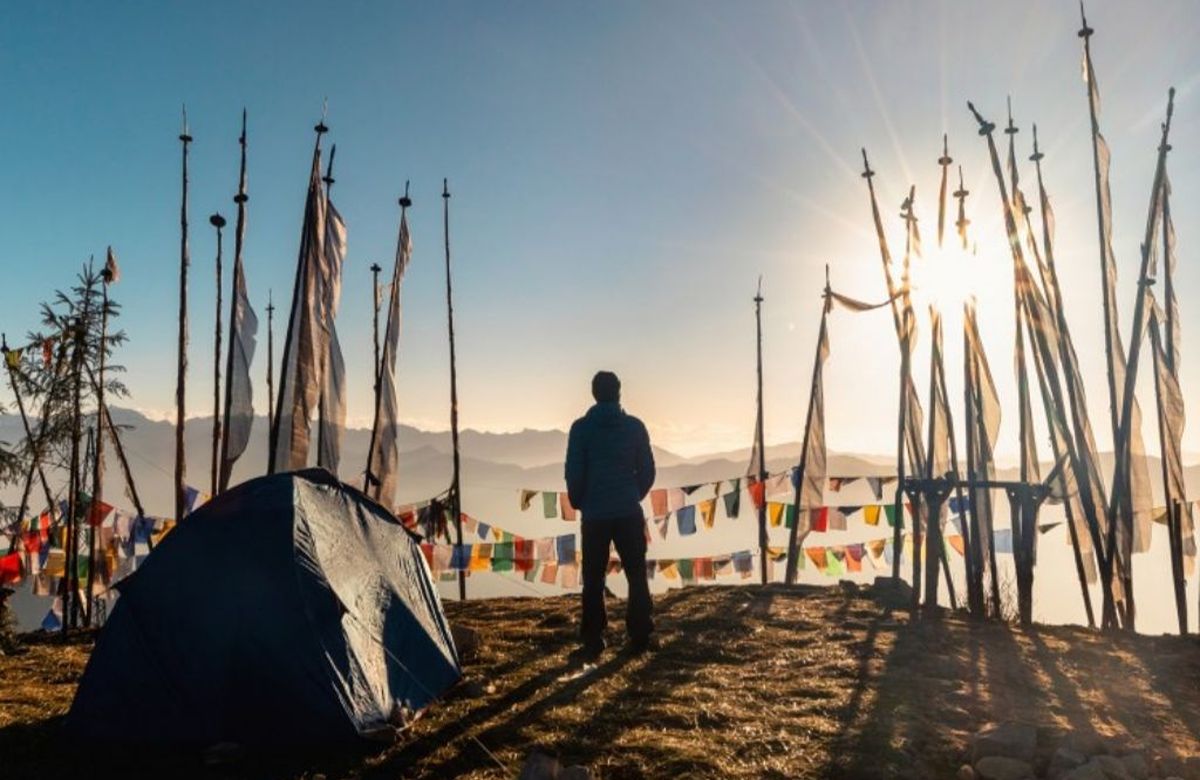
A guide standing among tall prayer-flag poles on a Bhutanese ridge
Talk to us

We answer every enquiry ourselves

No call centre and no automated quote. A person in our Thimphu office reads what you have written and replies with a plan built around it.

Enquiry

Enquire about Courtyard and Mask

Private departure on any date you choose. We reply with a written itinerary and a full quotation.

Selected Value: 0
Duration
Accommodation